
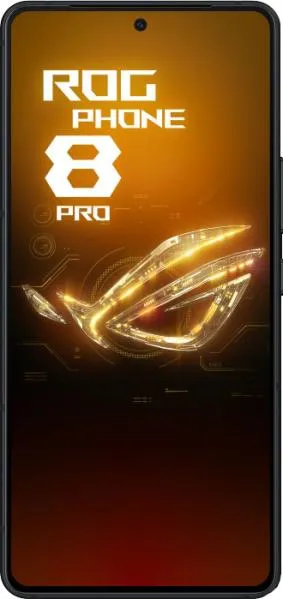
1. Specifications Comparison
| Feature | Realme 11 Pro+ | Asus ROG Phone 8 Pro | Practical Impact |
|---|---|---|---|
| Design | |||
| Dimensions (mm) | 161.6 x 73.9 x 8.2 | 163.8 x 76.8 x 8.9 | ROG Phone 8 Pro is slightly larger and thicker. |
| Weight (g) | 183 | 225 | ROG Phone 8 Pro is noticeably heavier. Could be tiring for extended use. |
| Display | |||
| Size (inches) | 6.7 | 6.78 | Negligible difference in screen real estate. |
| Resolution (px) | 1080 x 2412 | 1080 x 2400 | Virtually identical resolutions, resulting in similar sharpness. |
| Type | AMOLED | LTPO AMOLED | Both offer vibrant colors and deep blacks. LTPO allows for dynamic refresh rate adjustment, potentially saving battery on the ROG Phone. |
| Refresh Rate (Hz) | 120 | 165 | ROG Phone offers smoother scrolling and animations, especially noticeable in gaming. |
| Peak Brightness (nits) | 950 | 2500 | ROG Phone has significantly higher peak brightness, ensuring better visibility outdoors. |
| Performance | |||
| Chipset | Mediatek Dimensity 7050 (6 nm) | Qualcomm Snapdragon 8 Gen 3 (4 nm) | Snapdragon 8 Gen 3 offers significantly better CPU and GPU performance, enabling smoother multitasking and high-end gaming. |
| CPU | Octa-core (2x2.6 GHz Cortex-A78 & 6x2.0 GHz Cortex-A55) | Octa-core (1x3.3 GHz Cortex-X4 & 3x3.2 GHz Cortex-A720 & 2x3.0 GHz Cortex-A720 & 2x2.3 GHz Cortex-A520) | ROG Phone's CPU architecture is more powerful and efficient. |
| GPU | Mali-G68 MC4 | Adreno 750 | Adreno 750 provides a substantial leap in graphics performance, crucial for demanding games and graphics-intensive tasks. |
| RAM (GB) | 8/12 | 16/24 | ROG Phone offers significantly more RAM, enabling better multitasking and preventing app closures in the background. |
| Camera | |||
| Main Camera (MP) | 200 | 50 | Realme has a higher resolution sensor but megapixels don't tell the whole story. Image quality depends on sensor size, processing, and other factors. |
| Ultrawide (MP) | 8 | 13 | ROG Phone offers a slightly higher resolution ultrawide camera. |
| Telephoto (MP) | N/A | 32 | ROG Phone has a dedicated telephoto lens for optical zoom, Realme does not. |
| Battery | |||
| Capacity (mAh) | 5000 | 5500 | ROG Phone has a slightly larger battery, but actual battery life depends on usage and optimization. |
| Other | |||
| Price Range | Medium | Medium (Higher end) | ROG Phone is significantly more expensive within the "medium" range. |
| USB | USB Type-C 2.0 | USB Type-C, DisplayPort 1.4 | ROG Phone's DisplayPort allows for connection to external displays, a significant advantage for productivity and gaming. |
2. Key Differences Analysis
Realme 11 Pro+ Advantages:
- Potentially more affordable: While both are in the "medium" price range, the Realme is likely significantly cheaper.
- Higher resolution main camera sensor: May offer more detail in good lighting conditions, but real-world performance needs further investigation.
Asus ROG Phone 8 Pro Advantages:
- Significantly more powerful: The Snapdragon 8 Gen 3 and higher RAM provide a massive performance advantage for gaming, multitasking, and demanding applications.
- Smoother and brighter display: The 165Hz LTPO AMOLED display with higher peak brightness offers a superior visual experience.
- More versatile connectivity: DisplayPort 1.4 allows for connection to external displays.
- Larger Battery: Offers potentially longer battery life.
3. User Profiles & Recommendations
Realme 11 Pro+:
- Budget-conscious users: Prioritize affordability over top-tier performance.
- Casual users: Primarily use their phone for social media, browsing, and light gaming.
- Photography enthusiasts: Intrigued by the 200MP sensor, but should research actual image quality comparisons before deciding.
Asus ROG Phone 8 Pro:
- Mobile gamers: Demand the highest performance and smoothest gameplay.
- Power users: Need a phone that can handle heavy multitasking and demanding applications.
- Content creators: Benefit from the powerful hardware and external display connectivity.
4. Decision Framework
Key Questions:
- What is your budget? The ROG Phone 8 Pro comes at a significant premium.
- What are your primary use cases? For casual use, the Realme may suffice. For demanding tasks, the ROG Phone is better suited.
- How important is gaming performance and display quality? The ROG Phone excels in these areas.
My Choice: Asus ROG Phone 8 Pro
While significantly more expensive, the Asus ROG Phone 8 Pro offers a compelling package for my needs. The superior performance of the Snapdragon 8 Gen 3, coupled with the smoother 165Hz display and ample RAM, ensures a future-proof device capable of handling any task I throw at it. The DisplayPort is a valuable addition for productivity, and the larger battery is a welcome bonus. Although the Realme 11 Pro+ offers a high-resolution main camera sensor, the overall performance and feature set of the ROG Phone 8 Pro make it the clear winner for me, as I prioritize a smooth and powerful user experience. I am willing to pay the premium for the long-term benefits.
