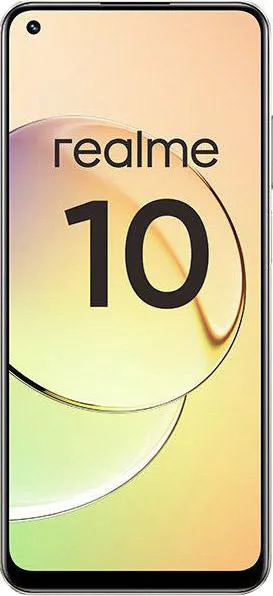
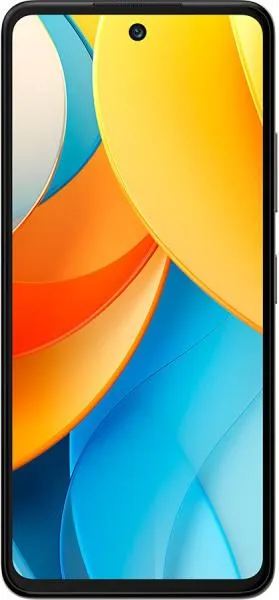
Realme 10 vs. ZTE Blade V60 Design: A Comparative Analysis
Let's dissect the Realme 10 and ZTE Blade V60 Design, two smartphones vying for your attention in different price segments. I'll break down their specs, analyze their real-world performance, and help you decide which one fits your needs.
1. Specifications Breakdown
| Feature | Realme 10 | ZTE Blade V60 Design | Real-World Implications |
|---|---|---|---|
| Design | |||
| Dimensions (mm) | 159.9 x 73.3 x 8 | 164.2 x 75.3 x 8.6 | Realme 10 is slightly smaller and thinner, potentially more pocketable. |
| Weight (g) | 178 | 198 | Realme 10 feels noticeably lighter in hand. |
| Build Materials | Plastic | Plastic | Expect a similar feel in terms of durability and premium feel (or lack thereof). |
| Display | |||
| Size (inches) | 6.4 | 6.6 | Blade V60 offers a larger screen for media consumption. |
| Resolution | 1080 x 2400 | 720 x 1612 | Realme 10 boasts significantly sharper visuals (411 vs. 267 PPI). |
| Type | Super AMOLED | IPS LCD | Realme 10 delivers richer colors, deeper blacks, and better outdoor visibility. |
| Refresh Rate | 90Hz | 90Hz | Both offer smooth scrolling and animations. |
| Performance | |||
| Chipset | Helio G99 (6nm) | Unisoc T606 (12nm) | Realme 10's processor is more powerful and efficient. |
| CPU | Octa-core | Octa-core | Realme 10 offers better multitasking and gaming performance. |
| GPU | Mali-G57 MC2 | Mali-G57 MP1 | Realme 10 has a slight edge in graphics processing. |
| RAM | 4/6/8GB | 4/6GB | Both offer ample RAM for most users, but Realme 10 provides more options. |
| Camera | |||
| Main Camera | 50MP | 50MP | Comparable main camera resolution, but real-world performance depends on sensor and software. |
| Selfie Camera | 16MP | 8MP | Realme 10 likely produces better selfie photos. |
| Battery Life | |||
| Capacity | 5000mAh | 5000mAh | Similar battery capacities suggest comparable longevity. |
2. Key Insights
The Realme 10 clearly outperforms the ZTE Blade V60 Design in several key areas: display quality, performance, and camera resolution. The Super AMOLED screen with a higher resolution is a major advantage for the Realme 10, providing a vibrant and sharp visual experience. The Helio G99 chipset also delivers a noticeable performance boost compared to the Unisoc T606.
However, the Blade V60 Design offers a larger display, which some users might prefer for media consumption. Its lower price point also makes it a more budget-friendly option.
3. User Profiles and Recommendations
- Realme 10: Suited for users who prioritize performance, display quality, and a smooth user experience. Ideal for gaming, photography, and general multitasking. The price difference is justifiable for the improved experience.
- ZTE Blade V60 Design: Best for budget-conscious users who primarily use their phones for basic tasks like calling, texting, browsing, and social media. The larger screen is a bonus for media consumption.
4. Buying Decision Framework
- What is your budget? If price is a major concern, the ZTE Blade V60 Design is the more affordable option.
- What are your primary phone usage patterns? For demanding tasks, the Realme 10's superior performance is crucial. For casual use, the Blade V60 Design is sufficient.
- How important is display quality? If you value a vibrant and sharp screen, the Realme 10's Super AMOLED display is a clear winner.
My Choice: Realme 10
If I were choosing between these two, I'd go for the Realme 10. While it's more expensive, the significantly better display, superior performance, and improved camera make it a worthwhile investment. The slightly smaller form factor and lighter weight are also appealing to me. I value a smooth and responsive user experience, and the Realme 10 delivers that thanks to its more powerful processor and vibrant AMOLED display. The difference in display quality alone would be a deciding factor for me. While the ZTE Blade V60 Design is a decent budget option, the compromises in key areas are too significant for my personal preferences.
