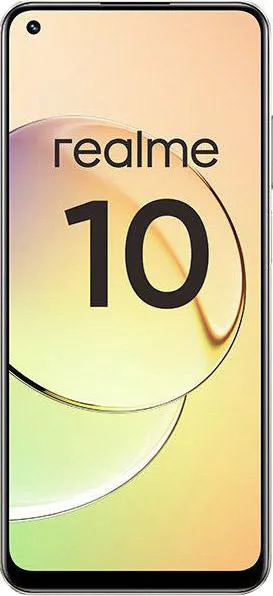
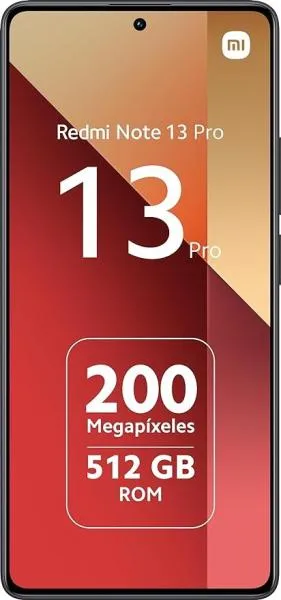
Realme 10 vs. Xiaomi Redmi Note 13 Pro 4G: A Comparative Deep Dive
Hello fellow tech enthusiasts! Today, we're dissecting two compelling contenders in the mid-range smartphone arena: the Realme 10 and the Xiaomi Redmi Note 13 Pro 4G. Let's cut through the marketing fluff and see how these devices stack up in real-world usage.
1. Specifications Breakdown
| Feature | Realme 10 | Xiaomi Redmi Note 13 Pro 4G | Real-World Implications |
|---|---|---|---|
| Design | |||
| Dimensions (mm) | 159.9 x 73.3 x 8 | 161.1 x 75 x 8 | Note 13 Pro slightly larger |
| Weight (g) | 178 | 188 | Note 13 Pro slightly heavier |
| Display | |||
| Size (inches) | 6.4 | 6.67 | Note 13 Pro offers more screen real estate |
| Resolution | 1080 x 2400 | 1080 x 2400 | Identical sharpness |
| Panel Type | Super AMOLED | AMOLED | Both offer vibrant colors and deep blacks |
| Refresh Rate (Hz) | 90 | 120 | Smoother scrolling and animations on the Note 13 Pro |
| Peak Brightness | 1000 nits | 1300 nits | Note 13 Pro boasts better visibility in sunlight |
| Performance | |||
| Chipset | Helio G99 | Helio G99 Ultra | Ultra variant may offer minor performance improvements, but largely similar |
| CPU | Octa-core (2x2.2 GHz A76 & 6x2.0 GHz A55) | Octa-core (2x2.2 GHz A76 & 6x2.0 GHz A55) | Comparable processing power |
| GPU | Mali-G57 MC2 | Mali-G57 MC2 | Similar graphics capabilities |
| RAM (GB) | 4/6/8 | 8/12 | Note 13 Pro offers more RAM for multitasking |
| Storage (GB) | 128/256 | 128/256/512 | Note 13 Pro offers a higher storage option |
| Camera | |||
| Main Camera (MP) | 50 | 200 | Significantly higher resolution on the Note 13 Pro |
| Selfie Camera (MP) | 16 | 16 | Similar selfie camera resolution |
| Battery Life | |||
| Capacity (mAh) | 5000 | 5000 | Identical battery capacity |
2. Key Insights
Display: While both phones boast AMOLED displays with vibrant colors, the Redmi Note 13 Pro's 120Hz refresh rate provides a noticeably smoother user experience, crucial for gaming and scrolling. Its higher peak brightness also enhances outdoor visibility.
Performance: Both devices utilize the Helio G99 chipset, resulting in comparable performance for day-to-day tasks. However, the "Ultra" designation on the Note 13 Pro suggests potential optimizations, and the increased RAM options (up to 12GB) provide a significant advantage for heavy multitasking.
Camera: The Redmi Note 13 Pro's 200MP main camera stands out, offering potentially much greater detail and flexibility in capturing images. However, megapixel count isn't everything; real-world image quality will depend on factors like sensor size, processing algorithms, and lens quality.
Battery: With identical battery capacities, battery life should be comparable. However, the Note 13 Pro's 120Hz display might consume slightly more power. Real-world usage patterns will ultimately determine each phone's longevity.
3. User Profiles and Recommendations
Realme 10: Suitable for budget-conscious users who prioritize a vibrant display and solid performance for everyday tasks. It's a great option for social media, web browsing, and light gaming.
Redmi Note 13 Pro 4G: Ideal for users seeking a more premium experience with a smoother display, enhanced camera capabilities, and ample RAM for demanding applications and multitasking. Gamers, content creators, and power users would appreciate the Note 13 Pro's advantages.
4. Buying Decision Framework
- What's your budget? The Realme 10 generally comes at a lower price point.
- Are you a heavy multitasker or gamer? If so, the Redmi Note 13 Pro's higher RAM and 120Hz display are major advantages.
- How important is camera quality? The 200MP sensor on the Redmi Note 13 Pro could be a deciding factor for photography enthusiasts.
My Choice: The Redmi Note 13 Pro 4G
While the Realme 10 is a solid device, I'd personally opt for the Redmi Note 13 Pro 4G. The 120Hz display is a game-changer for smoothness and responsiveness, something I value greatly in my daily usage. The substantial increase in RAM also ensures a fluid multitasking experience, crucial for my workflow. While I remain cautiously optimistic about the 200MP camera, the potential for capturing highly detailed images is enticing. The slightly higher price is justified by these key advantages, making the Redmi Note 13 Pro 4G the more compelling device for my needs.
