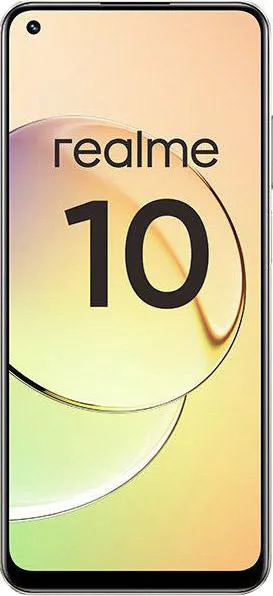
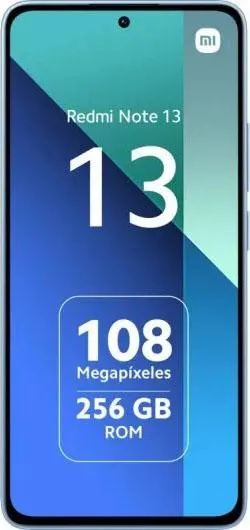
Realme 10 vs. Xiaomi Redmi Note 13 4G: A Comparative Analysis
Let's dive into a detailed comparison of the Realme 10 and the Xiaomi Redmi Note 13 4G, dissecting their specifications and uncovering what they truly offer in terms of real-world performance.
1. Specifications Breakdown
| Feature | Realme 10 | Xiaomi Redmi Note 13 4G | Real-World Implications |
|---|---|---|---|
| Design | |||
| Dimensions (mm) | 159.9 x 73.3 x 8 | 162.3 x 75.6 x 8 | Note 13 slightly larger, may feel less compact |
| Weight (g) | 178 | 188.5 | Realme 10 noticeably lighter for extended use |
| Display | |||
| Size (inches) | 6.4 | 6.67 | Note 13 offers a larger viewing area |
| Resolution (px) | 1080 x 2400 | 1080 x 2400 | Identical sharpness despite size difference |
| Type | Super AMOLED | AMOLED | Both offer vibrant colors and deep blacks; subtle differences in power efficiency may exist |
| Refresh Rate (Hz) | 90 | 120 | Note 13's smoother scrolling and animations enhance the user experience |
| Peak Brightness (nits) | 1000 | 1800 | Note 13 significantly brighter for better outdoor visibility |
| Performance | |||
| Chipset | Mediatek Helio G99 | Snapdragon 685 | Comparable performance, Snapdragon potentially more power-efficient |
| CPU | Octa-core (2x2.2 GHz A76 & 6x2.0 GHz A55) | Octa-core (4x2.8 GHz A73 & 4x1.9 GHz A53) | Snapdragon 685 might offer a slight edge in demanding tasks |
| RAM (GB) | 4/6 (varies) | 8 | Note 13 benefits from more RAM for multitasking and app loading |
| Camera | |||
| Main Camera (MP) | 50 | 108 | Note 13 boasts higher resolution, potentially capturing more detail |
| Front Camera (MP) | 16 | 16 | Selfie camera specs appear identical |
| Battery Life | |||
| Capacity (mAh) | 5000 | 5000 | Similar battery capacity, actual battery life depends on usage and optimization |
2. Key Insights
- Display: The Redmi Note 13 4G's 120Hz refresh rate makes a noticeable difference in fluidity, especially during scrolling and gaming. Its superior peak brightness also ensures comfortable outdoor use. The Realme 10's Super AMOLED with 90Hz is no slouch though, offering excellent color reproduction.
- Performance: While both chipsets deliver decent performance, the Snapdragon 685 in the Redmi Note 13, coupled with 8GB of RAM, might handle demanding tasks slightly better and offer smoother multitasking. The Realme 10's Helio G99, especially the 6GB RAM variant, is still a capable performer for everyday use.
- Camera: The Redmi Note 13's 108MP main camera promises more detailed photos, but real-world image quality depends on factors beyond resolution, such as sensor size and processing.
- Value: The Redmi Note 13 4G generally offers more compelling value with its higher refresh rate display, more RAM, and higher resolution camera at a competitive price point. The Realme 10 remains a solid option for budget-conscious users prioritizing a lighter, more compact device.
3. User Profiles and Recommendations
- Realme 10: Best suited for users who prioritize a lighter, more compact phone for everyday tasks like browsing, social media, and casual gaming. Its lower price point makes it an attractive option for budget-conscious buyers.
- Redmi Note 13 4G: Ideal for users who value a smooth, immersive display, robust multitasking capabilities, and a higher-resolution camera for capturing detailed photos. Gamers and content consumers will appreciate the 120Hz refresh rate and larger screen.
4. Buying Decision Framework
- What's your budget? The Realme 10 is generally more affordable.
- Is display smoothness a priority? The Redmi Note 13's 120Hz display is a clear winner here.
- How important is camera resolution? The Redmi Note 13's 108MP sensor might appeal to photography enthusiasts.
My Choice: Xiaomi Redmi Note 13 4G
If I were choosing between these two, I'd opt for the Redmi Note 13 4G. The 120Hz display is a game-changer for everyday usability, providing a noticeable improvement in fluidity. The extra RAM ensures smoother multitasking, future-proofing the device for longer. While I appreciate the Realme 10's lighter weight, the overall package offered by the Redmi Note 13, especially considering the competitive pricing, makes it a more compelling choice for me. The slightly larger size doesn't deter me as I prioritize performance and user experience. The higher resolution main camera is a bonus, though real-world testing would be necessary to determine true image quality differences.
