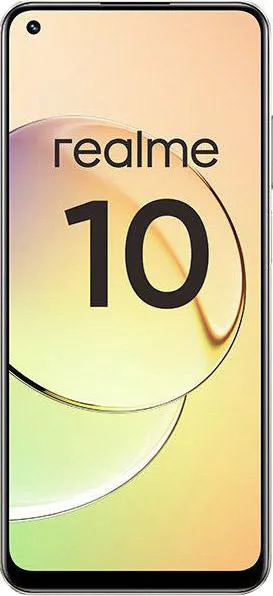
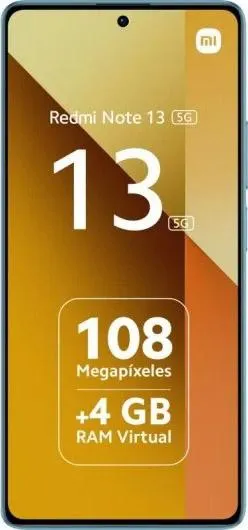
Realme 10 vs. Xiaomi Redmi Note 13: A Comparative Analysis
Let's dive into a detailed comparison of the Realme 10 and Xiaomi Redmi Note 13, dissecting their specifications and uncovering what they mean for you, the user.
1. Specifications Breakdown
| Feature | Realme 10 | Xiaomi Redmi Note 13 | Real-World Implications |
|---|---|---|---|
| Design | |||
| Dimensions (mm) | 159.9 x 73.3 x 8 | 161.1 x 75 x 7.6 | Redmi Note 13 slightly larger, might feel less compact in hand. |
| Weight (g) | 178 | 174.5 | Negligible difference in weight. |
| Display | |||
| Size (inches) | 6.4 | 6.67 | Redmi Note 13 offers a larger screen for more immersive content consumption. |
| Resolution | 1080 x 2400 | 1080 x 2400 | Identical resolution, but Redmi Note 13's larger size results in slightly lower pixel density (395 vs 411 ppi). Visually negligible for most users. |
| Type | Super AMOLED, 90Hz | AMOLED, 120Hz | Both offer vibrant colors and deep blacks. Redmi Note 13's 120Hz refresh rate provides smoother scrolling and animations. |
| Performance | |||
| Chipset | Helio G99 (6nm) | Dimensity 6080 (6nm) | Dimensity 6080 generally offers better CPU and GPU performance, leading to faster app loading and smoother gaming. |
| CPU | Octa-core (2x2.2 GHz Cortex-A76 & 6x2.0 GHz Cortex-A55) | Octa-core (2x2.4 GHz Cortex-A76 & 6x2.0 GHz Cortex-A55) | Redmi Note 13 has a slight edge in CPU clock speed, translating to marginally improved performance in demanding tasks. |
| RAM | 4GB/6GB | 6GB/8GB/12GB | Redmi Note 13 offers larger RAM options for better multitasking and future-proofing. |
| OS | Android 12 | Android 13 | Redmi Note 13 comes with a newer Android version, potentially offering more features and longer software support. |
| Camera | |||
| Main Camera | 50MP | 108MP | Redmi Note 13 boasts higher resolution, potentially capturing more detail. However, megapixels aren't everything; image processing plays a crucial role. |
| Battery Life | |||
| Capacity | 5000mAh | 5000mAh | Identical battery capacity, expected similar battery life depending on usage. |
| Other | |||
| Price Range | Medium | Low | Redmi Note 13 generally offers better value for its price. |
2. Key Insights
- Performance: The Redmi Note 13, with its Dimensity 6080 chipset and higher RAM options, provides a noticeable performance advantage for demanding tasks and gaming.
- Display: While both phones have AMOLED displays with Full HD+ resolution, the Redmi Note 13's 120Hz refresh rate makes for a smoother and more responsive user experience.
- Camera: The Redmi Note 13's 108MP main camera offers higher resolution. Real-world image quality will depend on factors beyond resolution, such as sensor size, aperture, and image processing algorithms. Comprehensive camera reviews are needed to declare a clear winner.
- Software: The Redmi Note 13 ships with Android 13, giving it a head start in terms of software features and potential updates compared to the Realme 10's Android 12.
- Value: The Redmi Note 13 generally positions itself in a lower price range, offering compelling value considering its superior specifications.
3. User Profiles and Recommendations
- Realme 10: Suitable for users on a tighter budget who prioritize a compact form factor and reliable performance for everyday tasks.
- Redmi Note 13: Ideal for users seeking a well-rounded device with a larger display, smoother performance, a higher-resolution camera, and the latest software, all at an attractive price point.
4. Buying Decision Framework
- What is your budget? The Redmi Note 13 generally offers better value in the lower price range.
- What is your performance priority? For demanding games and multitasking, the Redmi Note 13's Dimensity 6080 and higher RAM options are preferable.
- How important is display smoothness? The Redmi Note 13's 120Hz refresh rate will be appreciated by those sensitive to smooth scrolling and animations.
My Choice: I would choose the Redmi Note 13. While the Realme 10 is a solid device, the Redmi Note 13 offers significant advantages in performance, display fluidity, and camera resolution, all for a generally lower price. The newer Android version also ensures longer software support. The slightly larger size wouldn't be a deal-breaker for me, given the other benefits. As a tech journalist, having the latest and greatest (within reason) is important for staying current and informed. The Redmi Note 13 fits that bill nicely.
