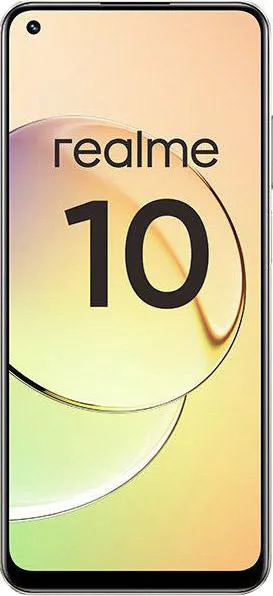
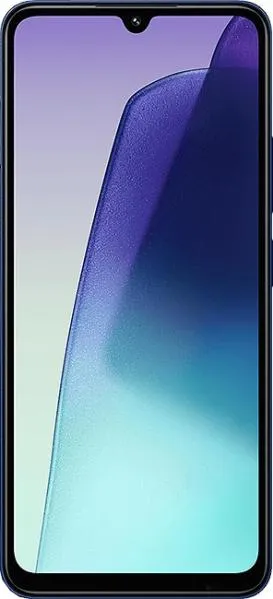
Realme 10 vs. Xiaomi Redmi 14C: A Deep Dive
Let's dissect the Realme 10 and Xiaomi Redmi 14C, two compelling mid-range contenders, to see which phone reigns supreme. I'll break down their specs, analyze their real-world performance, and guide you toward the device that best fits your needs.
1. Specifications Breakdown
| Feature | Realme 10 | Xiaomi Redmi 14C | Real-World Implications |
|---|---|---|---|
| Design | |||
| Dimensions (mm) | 159.9 x 73.3 x 8 | 171.9 x 77.8 x 8.2 | Redmi 14C is noticeably larger and heavier. |
| Weight (g) | 178 | 211 | Realme 10 offers better one-handed usability. |
| Display | |||
| Display Type | Super AMOLED, 90Hz | IPS LCD, 120Hz | Realme 10: Vivid colors, deeper blacks. Redmi 14C: Smoother scrolling, potentially better visibility in bright sunlight. |
| Size (inches) | 6.4 | 6.88 | Redmi 14C offers a larger screen for media consumption. |
| Resolution | 1080 x 2400 | 720 x 1640 | Realme 10: Sharper, more detailed visuals. |
| PPI | 411 | 260 | Realme 10's display is significantly sharper. |
| Performance | |||
| Chipset | Helio G99 (6nm) | Helio G81 Ultra | Both offer decent mid-range performance, but benchmarks would be needed to determine the faster chipset. |
| CPU | Octa-core (2x2.2 GHz A76 & 6x2.0 GHz A55) | Octa-core (2x2.0 GHz A75 & 6x1.8 GHz A55) | Performance differences likely negligible for everyday tasks. |
| RAM | 4/6/8GB | 4/6/8GB | More RAM options provide flexibility for multitasking. |
| Camera | |||
| Rear Camera | 50MP + 2MP | 50MP + 0.8MP | Both have a 50MP primary sensor. The secondary lens on the Redmi 14C is practically useless. |
| Front Camera | 16MP | 13MP | Realme 10 boasts a slightly higher resolution front camera. |
| Battery Life | |||
| Capacity | 5000 mAh | 5160 mAh | Redmi 14C has a slightly larger battery. Actual battery life depends on usage patterns and software optimization. |
2. Key Insights
- Display Showdown: The Realme 10's Super AMOLED display delivers richer colors and deeper blacks, making it ideal for media consumption. However, the Redmi 14C's 120Hz IPS LCD provides smoother scrolling and potentially better outdoor visibility, though at a lower resolution.
- Performance Parity: Both phones utilize MediaTek processors, targeting the mid-range segment. While the G99 in the Realme 10 is likely more efficient due to the 6nm process, real-world performance differences might be subtle. Benchmarking is needed to declare a clear winner.
- Camera Considerations: Both feature a 50MP primary camera. The practical value of the Redmi 14C's secondary 0.8MP lens is questionable.
- Size and Weight: The Realme 10 is more compact and lighter, making it more comfortable for one-handed use. The Redmi 14C's larger size caters to those who prioritize screen real estate.
3. User Profiles and Recommendations
- Realme 10: Suited for users who prioritize a vibrant display, a compact form factor, and a balanced overall experience. Ideal for multimedia consumption, social media, and light gaming.
- Redmi 14C: Best for users who prefer a large screen for immersive content and value smooth scrolling. A good choice for budget-conscious users who prioritize display size over sharpness and vibrant colors.
4. Buying Decision Framework
- What screen size and quality do you prefer? Vivid and sharp, or large and smooth?
- How important is one-handed usability?
- What's your budget? The Redmi 14C generally comes at a lower price point.
My Choice: The Realme 10
While the Redmi 14C offers a larger battery and 120Hz refresh rate, the significantly sharper and more vibrant AMOLED display of the Realme 10, along with its more manageable size and likely more efficient processor, makes it the more compelling device for me. I prioritize display quality and a comfortable in-hand feel, and the Realme 10 strikes a better balance in these areas. The near useless secondary camera on the Redmi 14C is also a negative. However, if budget is the top priority and a large screen is paramount, the Redmi 14C is a viable option.
