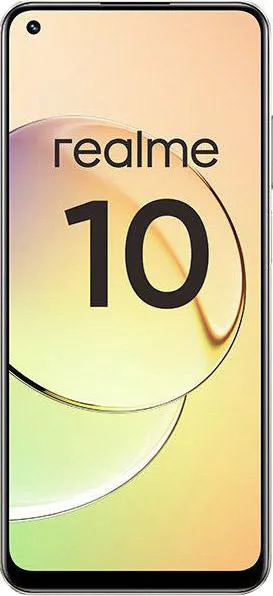
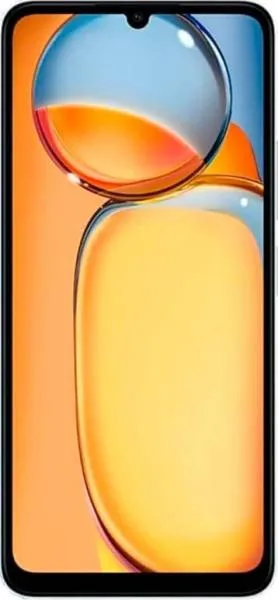
Realme 10 vs. Xiaomi Redmi 13C: A Comparative Analysis
The mid-range and budget smartphone segments are fiercely competitive, with manufacturers constantly vying for user attention. Today, we'll dissect two contenders: the Realme 10 and the Xiaomi Redmi 13C. By analyzing their specifications and translating them into real-world implications, we'll empower you to choose the device that best fits your needs.
1. Specifications Breakdown
| Feature | Realme 10 | Xiaomi Redmi 13C | Real-World Implications |
|---|---|---|---|
| Design | |||
| Dimensions (mm) | 159.9 x 73.3 x 8 | 168 x 78 x 8.1 | Redmi 13C is larger and slightly thicker. |
| Weight (g) | 178 | 192 | Realme 10 feels noticeably lighter in hand. |
| Display | |||
| Type | Super AMOLED, 90Hz | IPS LCD, 90Hz | Realme 10 offers deeper blacks, more vibrant colors, and potentially better outdoor visibility. |
| Resolution | 1080 x 2400 | 720 x 1600 | Realme 10 has a significantly sharper display. |
| Size | 6.4" | 6.74" | Redmi 13C provides a larger viewing area. |
| PPI | 411 | 260 | Realme 10's display is much sharper and more detailed. |
| Performance | |||
| Chipset | Mediatek Helio G99 (6nm) | Mediatek Helio G85 (12nm) | Realme 10 offers better performance and potentially improved power efficiency. |
| CPU | Octa-core (2x2.2 GHz A76 & 6x2.0 GHz A55) | Octa-core (2x2.0 GHz A75 & 6x1.8 GHz A55) | Realme 10 has a slight edge in CPU performance, especially in demanding tasks. |
| GPU | Mali-G57 MC2 | Mali-G52 MC2 | Realme 10 likely provides smoother gaming and graphics performance. |
| RAM | 4GB/6GB | 6GB/8GB | Both offer ample RAM for multitasking, though higher RAM options are available on the Redmi 13C |
| Camera | |||
| Main Camera | 50MP | 50MP | Both have the same resolution main camera, image quality will depend on sensor and software processing. |
| Selfie Camera | 16MP | 8MP | Realme 10 boasts a higher resolution front-facing camera. |
| Battery Life | |||
| Capacity | 5000 mAh | 5000 mAh | Similar battery capacity suggests comparable battery life, but real-world usage will vary. |
2. Key Insights
The Realme 10 prioritizes a premium display and superior performance. Its AMOLED screen with a 90Hz refresh rate and Full HD+ resolution provides a visually engaging experience. The Helio G99 chipset, coupled with up to 6GB of RAM, ensures smooth multitasking and gaming.
The Redmi 13C, on the other hand, focuses on affordability and a large display. While its IPS LCD panel doesn't match the Realme 10's vibrancy, the 6.74-inch screen offers more real estate for content consumption. The Helio G85 processor is capable for everyday tasks, but it might struggle with demanding games or heavy multitasking compared to the Realme 10.
3. User Profiles and Recommendations
Realme 10: Ideal for users who prioritize display quality, performance, and a smooth user experience. Gamers, multimedia enthusiasts, and those who value a vibrant screen will appreciate the Realme 10.
Redmi 13C: Best suited for budget-conscious users who prioritize a large screen for content consumption and basic tasks like browsing, social media, and communication. It's a great option for those seeking an affordable phone without compromising on essential features.
4. Buying Decision Framework
- What is your budget? The Redmi 13C is significantly more affordable.
- Is display quality a priority? The Realme 10's AMOLED screen is a clear winner.
- Do you need top-tier performance? The Realme 10's Helio G99 outperforms the Redmi 13C's Helio G85.
My Choice: The Realme 10
While the Redmi 13C offers excellent value for its price, I would choose the Realme 10. The superior AMOLED display, noticeably faster performance thanks to the Helio G99 chipset, and lighter weight are significant advantages for me. I prioritize a smooth and enjoyable user experience, and I'm willing to invest a bit more to get it. The sharper display is also a major selling point, as I consume a lot of media on my phone. While the Redmi 13C's larger screen size is tempting, the lower resolution would be a significant downgrade for me. The performance difference, while not drastic, would likely become more apparent over time as apps become more demanding.
