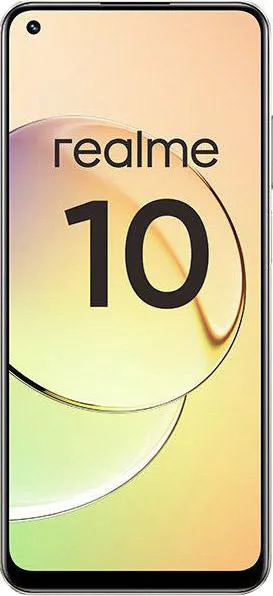
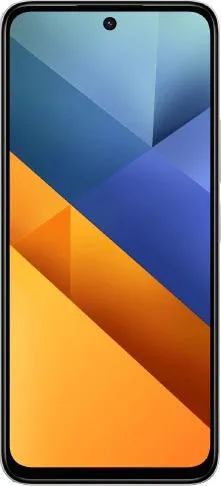
Let's dive into a comparative analysis of the Realme 10 and the Xiaomi Poco M6 4G, dissecting their specifications and translating them into real-world implications for you.
1. Specifications Breakdown
| Feature | Realme 10 | Xiaomi Poco M6 4G | Real-World Implications |
|---|---|---|---|
| Design | |||
| Dimensions (mm) | 159.9 x 73.3 x 8 | 168.6 x 76.3 x 8.3 | Poco M6 4G is noticeably larger and slightly thicker. |
| Weight (g) | 178 | 205 | Realme 10 feels lighter and more compact in hand, enhancing one-handed usability. |
| Display | |||
| Type | Super AMOLED | IPS LCD | Realme 10 offers deeper blacks, more vibrant colors, and potentially better outdoor visibility. |
| Size | 6.4" | 6.79" | Poco M6 4G provides a larger screen for media consumption and multitasking, but may feel less compact. |
| Refresh Rate | 90Hz | 90Hz | Both phones deliver smooth scrolling and animations. |
| Resolution | 1080 x 2400 | 1080 x 2460 | Comparable sharpness; Poco M6 4G has a slightly taller aspect ratio due to the larger screen. |
| Performance | |||
| Chipset | Helio G99 (6nm) | Helio G91 Ultra (12nm) | Helio G99 in Realme 10 is built on a more power-efficient process, potentially leading to better battery life. |
| CPU | Octa-core (2x2.2 GHz Cortex-A76 & 6x2.0 GHz Cortex-A55) | Octa-core (2x2.0 GHz Cortex-A75 & 6x1.8 GHz Cortex-A55) | Realme 10 might offer slightly better peak performance due to the faster Cortex-A76 cores. |
| RAM | 4GB/6GB | 6GB/8GB | Poco M6 4G offers more RAM in its base configuration, improving multitasking and app responsiveness. |
| Camera | |||
| Main Camera | 50MP | 108MP | Poco M6 4G boasts higher resolution, potentially capturing more detail. Real-world image quality depends on factors beyond resolution. |
| Selfie Camera | 16MP | 13MP | Realme 10 has a slightly higher resolution front camera. |
| Battery Life | |||
| Capacity | 5000mAh | 5030 mAh | Nearly identical battery capacities. Real-world battery life will depend on usage patterns and optimization. |
| Other | |||
| OS | Android 12 | Android 14 | Poco M6 4G ships with a newer Android version, offering potential feature and security advantages. |
| Price Range | Medium | Low | Poco M6 4G is positioned as a more budget-friendly option. |
2. Key Insights
Performance: The Realme 10's Helio G99, built on a 6nm process, likely edges out the Poco M6 4G's Helio G91 Ultra in terms of power efficiency and potentially sustained performance. While the Poco M6 4G offers higher RAM configurations, the real-world difference might be subtle for average users.
Display: The Realme 10's Super AMOLED display delivers a visual treat with punchier colors and deeper blacks. The Poco M6 4G's larger IPS LCD offers more screen real estate but might lack the vibrant contrast of AMOLED. The choice boils down to personal preference: visual richness versus screen size.
Camera: The megapixel count favors the Poco M6 4G, but image quality isn't solely determined by resolution. Real-world testing is crucial to determine which phone produces superior photos in various lighting conditions.
Software and Longevity: The Poco M6 4G ships with Android 14, giving it a head start in software updates and potentially a longer lifespan of support compared to the Realme 10.
3. User Profiles and Recommendations
Realme 10: Suited for users who prioritize a vibrant display, compact form factor, and potentially longer battery life. Ideal for media consumption, gaming on the go, and those who value a premium feel.
Poco M6 4G: A strong contender for budget-conscious users who prioritize a large display, ample RAM for multitasking, and the latest Android features. Excellent for those who consume a lot of content, multitask frequently, and want the best value for their money.
4. Buying Decision Framework
What's your budget? The Poco M6 4G offers compelling value in the lower price bracket.
Is display quality or size more important? Choose the Realme 10 for a vivid AMOLED experience or the Poco M6 4G for a larger screen.
How important is software longevity? The Poco M6 4G, with its newer Android version, is likely to receive longer software support.
My Choice: Realme 10
While the Poco M6 4G offers incredible value, I would choose the Realme 10. The superior Super AMOLED display and the more power-efficient Helio G99 are compelling factors for me. I prioritize a vibrant visual experience and good battery life, and the Realme 10 delivers on both fronts. The slightly smaller form factor also aligns with my preference for a more pocketable device. While the Android 12 starting point is a slight disadvantage, I'm willing to trade that for the immediate benefits of the Realme 10's display and performance characteristics. Ultimately, it offers a more refined user experience in the areas I value most.
