
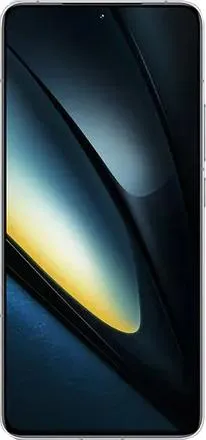
Realme 10 vs. Xiaomi Poco F6 Pro: A Deep Dive
Let's dissect the Realme 10 and the Xiaomi Poco F6 Pro, two intriguing contenders in the mid-range smartphone arena. We'll go beyond the spec sheets to uncover what these devices offer in real-world usage.
1. Specifications Breakdown
| Feature | Realme 10 | Xiaomi Poco F6 Pro | Real-World Implications |
|---|---|---|---|
| Design | |||
| Dimensions (mm) | 159.9 x 73.3 x 8 | 160.9 x 75 x 8.2 | Poco F6 Pro is slightly larger and heavier. |
| Weight (g) | 178 | 209 | Realme 10 is noticeably lighter, contributing to better one-handed use. |
| Display | |||
| Size (inches) | 6.4 | 6.67 | Poco F6 Pro offers a larger screen for more immersive content consumption. |
| Resolution | 1080 x 2400 | 1440 x 3200 | Poco F6 Pro boasts significantly higher resolution for sharper visuals and text. |
| Type | Super AMOLED | AMOLED | Both offer vibrant colors and deep blacks; Poco F6 Pro likely uses a newer AMOLED Panel |
| Refresh Rate (Hz) | 90 | 120 | Poco F6 Pro's 120Hz display provides smoother scrolling and animations. |
| Peak Brightness | 1000 nits | 4000 nits | Poco F6 Pro's display gets drastically brighter, ensuring excellent outdoor visibility. |
| Performance | |||
| Chipset | Helio G99 (6nm) | Snapdragon 8 Gen 2 | Poco F6 Pro's Snapdragon 8 Gen 2 delivers flagship-level performance and power efficiency. |
| CPU | Octa-core | Octa-core | Poco F6 Pro's CPU architecture is significantly more powerful. |
| GPU | Mali-G57 MC2 | Adreno 740 | Poco F6 Pro offers a substantially more powerful GPU for demanding gaming and graphics tasks. |
| RAM | 4/6GB | 12/16GB | Poco F6 Pro provides much more RAM for seamless multitasking and app switching. |
| Camera | |||
| Main Camera | 50MP | 50MP | Similar megapixel count, but sensor and lens quality will determine the actual image quality. |
| Video Recording | 1080p@30fps | 8K@24fps | Poco F6 Pro offers superior video recording capabilities, including 8K resolution. |
| Battery Life | |||
| Capacity (mAh) | 5000 | 5000 | Similar battery capacity, but real-world battery life depends on optimization and usage patterns. |
2. Key Insights
- Performance: The Poco F6 Pro is a clear winner in terms of raw performance, thanks to its flagship Snapdragon 8 Gen 2 processor. The Realme 10's Helio G99 is a capable mid-range chip, but it can't compete with the sheer power of the Poco F6 Pro. This translates to a significantly smoother and faster experience on the Poco F6 Pro, especially for demanding tasks like gaming and video editing.
- Display: While both phones use AMOLED technology, the Poco F6 Pro's display is superior in several aspects: higher resolution, faster refresh rate, and significantly higher peak brightness. This results in a noticeably sharper, smoother, and more vibrant visual experience.
- Camera: Both phones feature a 50MP main camera, but the Poco F6 Pro likely utilizes a more advanced sensor and lens system, and crucially, features optical image stabilization. It also boasts superior video recording capabilities. Without detailed sensor information for the Realme 10, we can infer that the Poco F6 Pro will likely produce better overall image and video quality.
- Value: The Realme 10 targets a more budget-conscious audience. It provides decent performance and features for its price point.
3. User Profiles and Recommendations
- Realme 10: Suitable for users who prioritize affordability and primarily use their phones for everyday tasks like browsing, social media, and light gaming. It's a good option for those seeking a reliable device without breaking the bank.
- Xiaomi Poco F6 Pro: Ideal for power users, gamers, and content creators who demand top-tier performance, a stunning display, and advanced camera features. It's a great choice for those seeking a flagship-level experience at a more accessible price.
4. Buying Decision Framework
- What is your budget? The Realme 10 is significantly more affordable.
- What are your primary phone usage patterns? For basic tasks, the Realme 10 is sufficient. For demanding tasks, the Poco F6 Pro is necessary.
- How important is display quality and performance? The Poco F6 Pro offers a noticeably better visual experience and significantly smoother performance.
My Choice: I would choose the Xiaomi Poco F6 Pro. While the Realme 10 offers good value, I prioritize performance, a high-quality display, and future-proofing. The Poco F6 Pro's Snapdragon 8 Gen 2, coupled with its superior display and camera capabilities, makes it a more compelling device for my needs. I'm willing to invest in the long-term benefits of a more powerful and feature-rich smartphone. The smoother scrolling of the 120Hz display, the significantly improved performance for demanding tasks, and the future-proof nature of the chipset would greatly enhance my daily usage and productivity.
