
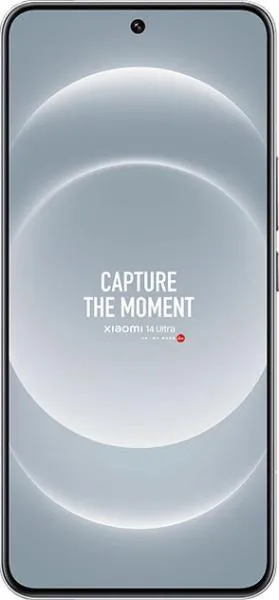
Realme 10 vs. Xiaomi 14 Ultra: A Deep Dive
Let's dissect the Realme 10 and the Xiaomi 14 Ultra, two smartphones targeting different ends of the performance and price spectrum. While both offer compelling features, understanding their nuances is crucial for making an informed purchase decision.
1. Specifications Breakdown
| Feature | Realme 10 | Xiaomi 14 Ultra | Real-World Implications |
|---|---|---|---|
| Design | |||
| Dimensions (mm) | 159.9x73.3x8 | 161.4x75.3x9.2 | Xiaomi 14 Ultra is slightly larger and noticeably thicker. |
| Weight (g) | 178 | 229.5 | Realme 10 is significantly lighter, contributing to better one-handed usability. |
| Display | |||
| Size (inches) | 6.4 | 6.73 | Xiaomi 14 Ultra offers a larger screen for more immersive content consumption. |
| Resolution (px) | 1080x2400 | 1440x3200 | Xiaomi 14 Ultra boasts a much sharper display with higher pixel density (522 ppi vs 411 ppi). |
| Type | Super AMOLED | LTPO AMOLED | Both offer vibrant colors and deep blacks, but the Xiaomi 14 Ultra's LTPO panel enables dynamic refresh rate for power efficiency. |
| Refresh Rate (Hz) | 90 | 120 | Xiaomi 14 Ultra provides smoother scrolling and animations. |
| Peak Brightness | 1000 nits | 3000 nits | Xiaomi 14 Ultra's display is significantly brighter, ensuring excellent outdoor visibility. |
| Performance | |||
| Chipset | Helio G99 | Snapdragon 8 Gen 3 | Xiaomi 14 Ultra's flagship processor delivers vastly superior performance in demanding tasks and gaming. |
| CPU | Octa-core (2x2.2 GHz A76 & 6x2.0 GHz A55) | Octa-core (1x3.3 GHz X4 & 3x3.2 GHz A720 & 2x3.0 GHz A720 & 2x2.3 GHz A520) | The Xiaomi 14 Ultra's CPU architecture offers a significant performance advantage. |
| RAM (GB) | 4/6/8 | 12/16 | Xiaomi 14 Ultra provides substantially more RAM for smoother multitasking and demanding applications. |
| Camera | |||
| Main Sensor (MP) | 50 | 50 | Both have high-resolution sensors, but the Xiaomi 14 Ultra features a larger 1-inch sensor and Leica optics for potentially superior image quality. |
| Additional Lenses | B&W, Selfie | Wide, Telephoto x2, Selfie | Xiaomi 14 Ultra offers a more versatile camera system with multiple focal lengths and advanced features. |
| Battery Life | |||
| Capacity (mAh) | 5000 | 5000 | Similar battery capacities, but the Xiaomi 14 Ultra's more efficient processor could translate to longer real-world usage. |
2. Key Insights
- Performance: The Xiaomi 14 Ultra is a clear powerhouse, eclipsing the Realme 10 with its flagship Snapdragon processor and ample RAM. The Realme 10, with its Helio G99, is sufficient for everyday tasks but will struggle with demanding applications and high-end gaming.
- Display: Both phones offer AMOLED displays with vibrant colors. However, the Xiaomi 14 Ultra's LTPO panel, higher resolution, faster refresh rate, and extreme peak brightness create a noticeably superior visual experience.
- Camera: While both phones feature a 50MP main sensor, the Xiaomi 14 Ultra benefits from a much larger sensor size, Leica optics, and a versatile quad-camera system. This translates to potentially better low-light performance, sharper images, and more creative possibilities.
3. User Profiles and Recommendations
- Realme 10: Best suited for budget-conscious users who prioritize basic smartphone functionality – calling, texting, social media, and casual photography.
- Xiaomi 14 Ultra: Ideal for power users, photographers, and videographers who demand top-tier performance, a stunning display, and a cutting-edge camera system.
4. Buying Decision Framework
- What is your budget? The Realme 10 is a significantly more affordable option.
- What are your primary smartphone usage patterns? For basic tasks, the Realme 10 is sufficient. For demanding applications, gaming, or professional content creation, the Xiaomi 14 Ultra is the clear winner.
- How important are camera quality and display performance? The Xiaomi 14 Ultra excels in both areas.
My Choice: Xiaomi 14 Ultra
While the Realme 10 offers excellent value for its price, I would choose the Xiaomi 14 Ultra. As a tech journalist focused on the cutting edge, I need a device that can handle demanding tasks, capture stunning photos and videos, and provide a premium user experience. The Xiaomi 14 Ultra's superior performance, exceptional display, and advanced camera system make it the clear winner for my needs, despite the higher price tag. The future-proofing offered by the latest Snapdragon processor and ample RAM also makes it a more compelling long-term investment. While the Realme 10 is a solid budget option, it simply can't compete with the Xiaomi 14 Ultra's comprehensive feature set and performance capabilities.
