Realme 10 vs. Xiaomi 13 Ultra: A Deep Dive
Let's dissect the Realme 10 and the Xiaomi 13 Ultra, two phones occupying very different tiers in the smartphone landscape. This isn't just about specs; it's about understanding how those numbers translate into real-world experiences.
1. Specifications Breakdown
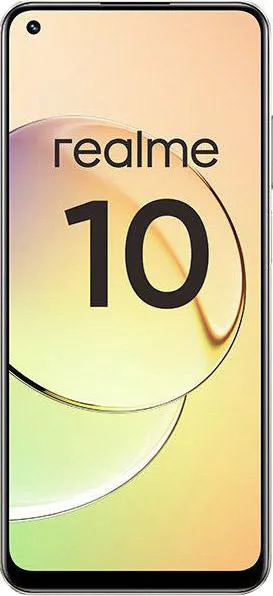
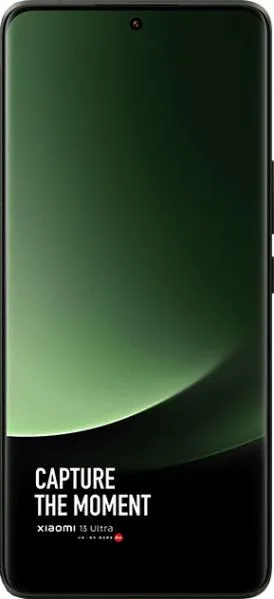
| Feature | Realme 10 | Xiaomi 13 Ultra | Real-World Implications |
|---|---|---|---|
| Design | |||
| Dimensions (mm) | 159.9 x 73.3 x 8 | 163.2 x 74.6 x 9.1 | 13 Ultra is larger and slightly heavier, impacting one-handed use. |
| Weight (g) | 178 | 227 | Noticeable difference in heft; Realme 10 is more pocketable. |
| Display | |||
| Size (inches) | 6.4 | 6.73 | 13 Ultra offers a more immersive viewing experience. |
| Resolution | 1080 x 2400 | 1440 x 3200 | Sharper, more detailed visuals on the 13 Ultra. |
| Type | Super AMOLED, 90Hz | LTPO AMOLED, 120Hz | Smoother scrolling and animations on the 13 Ultra; more power-efficient variable refresh rate. |
| Peak Brightness | 1000 nits | 2600 nits | 13 Ultra boasts exceptional outdoor visibility. |
| Performance | |||
| Chipset | Mediatek Helio G99 (6nm) | Snapdragon 8 Gen 2 (4nm) | Significant performance gap; 13 Ultra handles demanding tasks with ease. |
| CPU | Octa-core (2x2.2 GHz A76...) | Octa-core (1x3.2 GHz X3...) | 13 Ultra's flagship processor offers superior speed and multitasking capabilities. |
| RAM | 4/6/8GB | 12/16GB | More RAM on the 13 Ultra enables seamless app switching and heavy workload management. |
| Camera | |||
| Main Sensor | 50MP Samsung S5KJN1 | 50MP Sony IMX989 (1-inch) | 13 Ultra's larger sensor captures more light and detail, especially in low light. |
| Lens System | Dual | Quad (Leica-tuned) | Versatile camera system on the 13 Ultra with advanced optics and features. |
| Battery Life | |||
| Capacity | 5000 mAh | 5000 mAh | Similar battery capacity, but real-world usage will vary due to processor efficiency. |
2. Key Insights
The Realme 10 is a budget-friendly phone focused on delivering a solid everyday experience. Its strengths lie in its vibrant AMOLED display, decent battery life, and lightweight design. However, it's not built for heavy lifting; gaming performance and camera capabilities are respectable for its price but pale in comparison to the 13 Ultra.
The Xiaomi 13 Ultra is a true flagship, flexing its muscles with a cutting-edge Snapdragon processor, a stunning LTPO AMOLED display with unparalleled brightness, and a Leica-engineered camera system that pushes the boundaries of mobile photography. It's a premium device designed for power users and photography enthusiasts. The variable refresh rate display dynamically adjusts to conserve battery, a feature absent in the Realme 10.
3. User Profiles and Recommendations
Realme 10: Ideal for budget-conscious users who prioritize essential features like social media, web browsing, and casual photography. Students, light gamers, and those seeking a reliable secondary device would find it a good fit.
Xiaomi 13 Ultra: Designed for demanding users who require top-tier performance, a brilliant display, and a state-of-the-art camera. Professionals, content creators, mobile gamers, and photography enthusiasts would appreciate its capabilities.
4. Buying Decision Framework
- What is your budget? The Realme 10 is significantly more affordable.
- What are your primary use cases? Casual use vs. demanding tasks and professional photography.
- How important are premium features like a high refresh rate display and advanced camera capabilities?
My Choice
If I were choosing, I'd opt for the Xiaomi 13 Ultra. While the price is significantly higher, the leap in performance, display quality, and camera capabilities is compelling. As a tech journalist who frequently uses demanding applications, captures photos and videos, and appreciates the nuances of a high-quality display, the 13 Ultra aligns perfectly with my needs. The investment is justified by the significant uplift in user experience and future-proofing offered by the superior hardware. The Realme 10, while a commendable device for its price point, simply doesn't offer the same level of performance or advanced features that I require in a primary smartphone.
