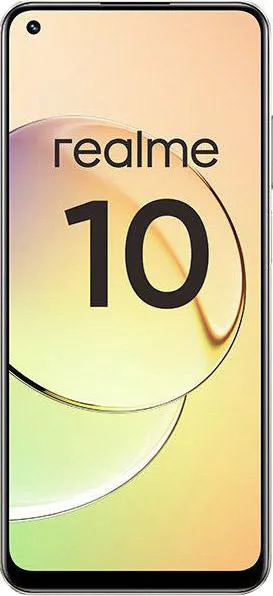
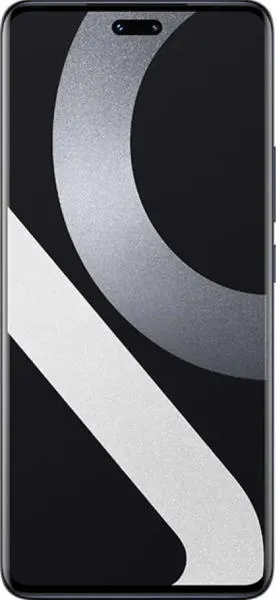
Let's dive into a comparative analysis of the Realme 10 and the Xiaomi 13 Lite, dissecting their specifications and uncovering what they truly offer users.
1. Specifications Breakdown
| Feature | Realme 10 | Xiaomi 13 Lite | Real-World Implications | |
|---|---|---|---|---|
| Design | ||||
| Dimensions (mm) | 159.9 x 73.3 x 8 | 159.2 x 72.7 x 7.2 | Xiaomi 13 Lite is slightly thinner and lighter, improving one-handed usability. | |
| Weight (g) | 178 | 171 | Noticeable difference in hand, contributing to fatigue reduction with extended use. | |
| Display | ||||
| Size (inches) | 6.4 | 6.55 | Marginally larger screen on the Xiaomi offers more immersive content consumption. | |
| Resolution | 1080 x 2400 | 1080 x 2400 | Identical resolution, resulting in similar sharpness despite the size difference. | |
| Type | Super AMOLED | AMOLED | Both offer vibrant colors and deep blacks; subtle differences in power efficiency may exist. | |
| Refresh Rate (Hz) | 90 | 120 | Smoother scrolling and animations on the Xiaomi, especially noticeable in gaming. | |
| Performance | ||||
| Chipset | Helio G99 (6nm) | Snapdragon 7 Gen 1 (4nm) | Significant performance advantage for the Xiaomi in demanding tasks and gaming. | |
| CPU | Octa-core (2x2.2 GHz Cortex-A76 & 6x2.0 GHz Cortex-A55) | Octa-core (1x2.4 GHz Cortex-A710 & 3x2.36 GHz Cortex-A710 & 4x1.8 GHz Cortex-A510) | Xiaomi boasts a more powerful and efficient CPU architecture. | |
| GPU | Mali-G57 MC2 | Adreno 644 | Xiaomi's GPU delivers superior graphics processing for gaming and demanding visuals. | |
| RAM | 4/6GB | 8GB | More RAM on the Xiaomi allows for smoother multitasking and app switching. | |
| Camera | ||||
| Main Sensor | 50MP Samsung S5KJN1 | 50MP Sony IMX766 | Xiaomi utilizes a larger sensor known for excellent image quality, potentially offering better low-light performance. | |
| Selfie Camera | 16MP | 32MP + 8MP Depth | Higher resolution and a dedicated depth sensor on the Xiaomi suggest superior selfie capabilities. | |
| Battery Life | ||||
| Capacity (mAh) | 5000 | 4500 | Larger battery in the Realme suggests longer endurance, though real-world usage will depend on various factors. |
2. Key Insights
The Xiaomi 13 Lite stands out with its superior performance due to the Snapdragon 7 Gen 1 chipset and more RAM. This translates to smoother gaming, faster app loading, and a more responsive overall experience. Its 120Hz display further enhances the fluidity. The camera system, featuring a larger Sony IMX766 sensor, promises better image quality, especially in low light.
The Realme 10 compensates with a larger battery, potentially offering longer usage time between charges. It's a more budget-friendly option while still providing a decent AMOLED display and adequate performance for everyday tasks.
3. User Profiles and Recommendations
Realme 10: Best suited for budget-conscious users who prioritize battery life and reliable performance for everyday tasks like social media, browsing, and light gaming.
Xiaomi 13 Lite: Ideal for users who demand top-tier performance, smooth visuals, and a capable camera system. Gamers, content creators, and those who multitask heavily will appreciate its capabilities.
4. Buying Decision Framework
- What is your budget? The Realme 10 offers excellent value for its price.
- What is your primary use case? Heavy gaming and content creation favor the Xiaomi 13 Lite. Basic tasks and long battery life lean towards the Realme 10.
- How important is display smoothness? The 120Hz display of the Xiaomi 13 Lite is a noticeable upgrade.
My Choice
If I were choosing between these two, I'd go with the Xiaomi 13 Lite. The superior performance, smoother display, and potentially better camera are compelling advantages. While the battery is smaller, the more efficient chipset might offset that in real-world usage. As someone who values a fluid and responsive user experience, the Xiaomi 13 Lite aligns better with my needs. The price difference is justifiable for the significant performance leap and enhanced feature set. I appreciate the future-proofing that the Snapdragon 7 Gen 1 provides, ensuring the phone remains capable for longer.
