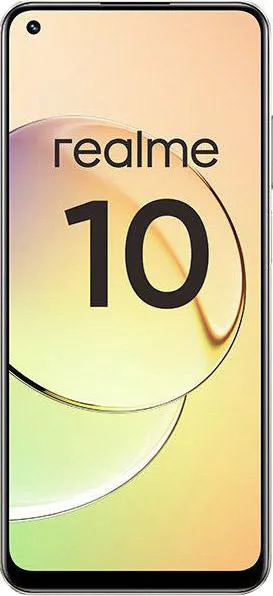
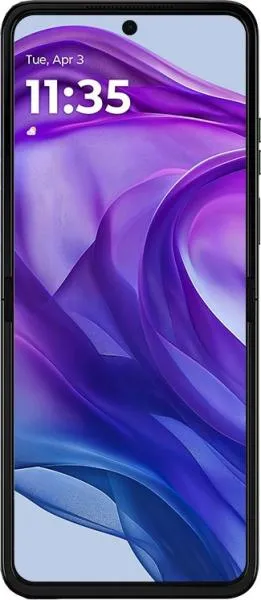
Realme 10 vs. Motorola Razr 50 Ultra: A Deep Dive
Let's dissect the Realme 10 and the Motorola Razr 50 Ultra, two phones occupying the "medium price" range yet offering vastly different experiences. I'll break down their specs, analyze their real-world implications, and guide you toward the best fit for your needs.
1. Specifications Breakdown
| Feature | Realme 10 | Motorola Razr 50 Ultra | Real-World Implications |
|---|---|---|---|
| Design | |||
| Dimensions (mm) | 159.9 x 73.3 x 8 | 171.4 x 74 x 7.1 | Razr 50 Ultra is taller and wider when unfolded, significantly more compact when folded. |
| Weight (g) | 178 | 189 | Realme 10 is slightly lighter. |
| Foldable | No | Yes | Razr 50 Ultra offers pocket portability and a unique form factor. |
| Display | |||
| Size (inches) | 6.4 | 6.9 | Razr 50 Ultra has a larger main screen. |
| Resolution (px) | 1080 x 2400 | 1080 x 2640 | Both offer sharp visuals; Razr 50 Ultra slightly taller aspect ratio. |
| Type | Super AMOLED, 90Hz | Foldable LTPO AMOLED, 165Hz | Razr 50 Ultra boasts a higher refresh rate for smoother animations and potentially better battery life due to LTPO. Folding screen introduces a crease. |
| Peak Brightness | 1000 nits | 3000 nits | Razr 50 Ultra is significantly brighter for excellent outdoor visibility. |
| Performance | |||
| Chipset | Mediatek Helio G99 (6nm) | Snapdragon 8s Gen 3 (4nm) | Razr 50 Ultra offers significantly faster processing and graphics performance. |
| CPU | Octa-core (2x2.2 GHz A76, 6x2.0 GHz A55) | Octa-core (1x3.0 GHz X4, 4x2.8 GHz A720, 3x2.0 GHz A520) | Razr 50 Ultra has a more powerful and efficient CPU architecture. |
| RAM | 4GB/6GB/8GB | 12GB | Razr 50 Ultra provides much more RAM for seamless multitasking. |
| Camera | |||
| Main Camera | 50MP | 50MP + 50MP (Telephoto) | Razr 50 Ultra adds a telephoto lens for optical zoom. |
| Selfie Camera | 16MP | 32MP | Razr 50 Ultra has a higher-resolution selfie camera. |
| Battery Life | |||
| Capacity (mAh) | 5000 | 4000 | Realme 10 has a larger battery capacity. However, Razr's LTPO display could offset this difference. |
2. Key Insights
- Performance Powerhouse: The Razr 50 Ultra, with its Snapdragon 8s Gen 3 and 12GB of RAM, is a clear winner in performance. It's built for demanding tasks, gaming, and smooth multitasking. The Realme 10, while capable for everyday use, won't handle heavy lifting as gracefully.
- Display Differences: The Razr 50 Ultra's foldable LTPO AMOLED display with a 165Hz refresh rate and 3000 nits peak brightness is stunning, though the crease might bother some. The Realme 10's 90Hz Super AMOLED is no slouch, offering vibrant colors and good responsiveness.
- Foldable Future: The Razr 50 Ultra's foldable design is its defining feature. The compact form factor is a game-changer for portability. However, this comes at a premium in terms of complexity and potential durability concerns.
- Battery Considerations: While the Realme 10 boasts a larger battery, the Razr 50 Ultra's more efficient processor and LTPO display could result in comparable real-world battery life. This needs further testing to confirm.
3. User Profiles and Recommendations
- Realme 10: Best for budget-conscious users who prioritize a large battery and solid performance for everyday tasks like social media, web browsing, and casual gaming.
- Motorola Razr 50 Ultra: Ideal for those who value cutting-edge technology, a unique form factor, and top-tier performance, and are willing to pay a premium for the foldable experience. Excellent for showcasing style and embracing innovation.
4. Buying Decision Framework
- Is a foldable phone a must-have? If yes, the Razr 50 Ultra is your only option here.
- What's your budget? The Realme 10 offers excellent value for its price, while the Razr 50 Ultra commands a higher premium for its advanced features.
- What are your performance needs? For demanding tasks and gaming, the Razr 50 Ultra is the clear winner. The Realme 10 is sufficient for everyday use.
My Choice: Motorola Razr 50 Ultra
While the Realme 10 is a solid device, the Razr 50 Ultra's innovative foldable design, powerful performance, and stunning display are too compelling to ignore. As a tech enthusiast, I appreciate pushing boundaries, and the Razr 50 Ultra embodies this spirit. The compact form factor, coupled with top-tier specs, aligns perfectly with my desire for a device that's both powerful and portable. The potential trade-offs in battery life and durability are risks I'm willing to take for the unique experience it offers.
