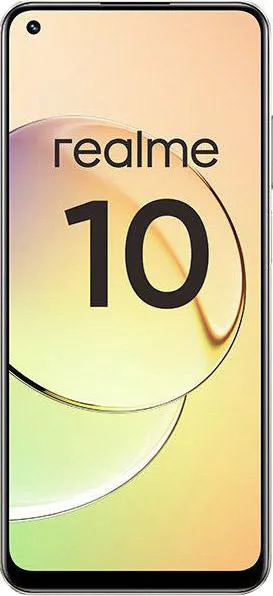
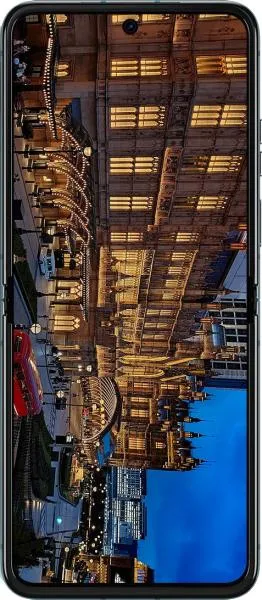
Realme 10 vs. Motorola Razr 40: A Detailed Comparison
The mid-range smartphone market is fiercely competitive, with devices vying for attention based on features, performance, and price. Today, we'll dissect two contenders: the Realme 10 and the Motorola Razr 40. While both fall into the "medium price" bracket, their designs and target audiences differ significantly. Let's delve into a detailed comparison to understand what each brings to the table.
1. Specifications Breakdown
| Feature | Realme 10 | Motorola Razr 40 | Real-World Implications |
|---|---|---|---|
| Design | |||
| Dimensions (mm) | 159.9 x 73.3 x 8 | 170.8 x 74 x 7.4 | Razr 40 is more compact when folded, but thicker when unfolded. Realme 10 is thinner overall. |
| Weight (g) | 178 | 188.6 | Negligible difference in weight for everyday use. |
| Foldable | No | Yes | Razr 40 offers unique portability and a smaller footprint when folded. |
| Display | |||
| Size (inches) | 6.4 | 6.9 | Razr 40 boasts a larger main screen. |
| Type | Super AMOLED | Foldable LTPO AMOLED | Razr 40's foldable screen utilizes cutting-edge technology with potentially better power efficiency and higher peak brightness. |
| Refresh Rate (Hz) | 90 | 144 | Razr 40 will deliver noticeably smoother scrolling and animations. |
| Resolution (px) | 1080 x 2400 | 1080 x 2640 | Similar sharpness despite Razr 40's slightly higher resolution due to its larger size. |
| Peak Brightness (nits) | 1000 | 1400 | Razr 40 should offer improved outdoor visibility. |
| Performance | |||
| Chipset | Mediatek Helio G99 | Snapdragon 7 Gen 1 | Razr 40's Snapdragon chip promises significantly better performance and efficiency. |
| CPU | Octa-core (2x2.2 GHz Cortex-A76 & 6x2.0 GHz Cortex-A55) | Octa-core (1x2.4 GHz Cortex-A710 & 3x2.36 GHz Cortex-A710 & 4x1.8 GHz Cortex-A510) | Razr 40 has a more powerful and modern CPU architecture. |
| RAM (GB) | 4/6/8 | 8/12 | Razr 40 offers more RAM for smoother multitasking. |
| Camera | |||
| Main Camera (MP) | 50 | 64 | Razr 40's higher resolution main camera might offer slightly more detail. |
| Selfie Camera (MP) | 16 | 32 | Razr 40 has a significantly higher resolution selfie camera. |
| Video | 1080p@30fps | 4K@30fps | Razr 40 can record video at a much higher resolution. |
| Battery Life | |||
| Capacity (mAh) | 5000 | 4200 | Realme 10 has a larger battery capacity, potentially offering longer usage time despite its less efficient display. |
2. Key Insights
The Realme 10 focuses on affordability and practicality. Its larger battery could appeal to users prioritizing all-day usage. However, its processor is less powerful than the Razr 40's, and its display lacks the high refresh rate and peak brightness of its competitor.
The Motorola Razr 40 is a statement piece. Its foldable design, powerful processor, and superior display make it a compelling option for those seeking a unique and premium experience. The trade-off lies in its smaller battery and higher price point.
3. User Profiles and Recommendations
Realme 10: Ideal for budget-conscious users who prioritize battery life and essential smartphone features. Students, casual users, and those seeking a reliable secondary device would find this phone suitable.
Motorola Razr 40: Perfect for trendsetters and tech enthusiasts who value cutting-edge design, portability, and strong performance. Content creators, professionals who value a compact device, and those seeking a stylish phone would appreciate the Razr 40.
4. Buying Decision Framework
- Is a foldable design a priority? If yes, the Razr 40 is the clear choice.
- What is your budget? The Realme 10 offers excellent value for its price, while the Razr 40 commands a premium.
- Which aspects of performance are most important? For gaming and demanding tasks, the Razr 40's superior processor is crucial. For extended battery life, the Realme 10 has the edge.
My Choice: I would choose the Motorola Razr 40. The foldable form factor intrigues me, and I value the portability and unique user experience it offers. The Snapdragon 7 Gen 1 chip ensures smooth performance, and the higher refresh rate display is a significant plus for me. While the battery capacity is smaller, I'm willing to make that trade-off for the overall package. The Razr 40 represents a significant step forward in mobile technology, and I'm excited to experience its potential. I'm confident that the slightly smaller battery will be offset by the more efficient processor and LTPO display technology. The combination of performance, portability, and innovative design makes it the winner for me.
