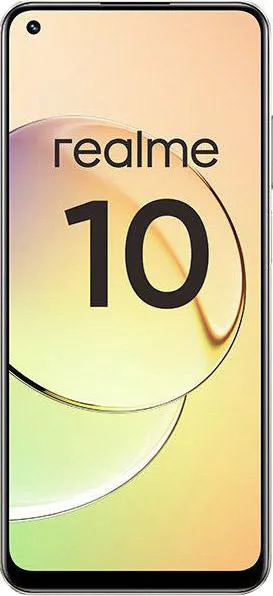
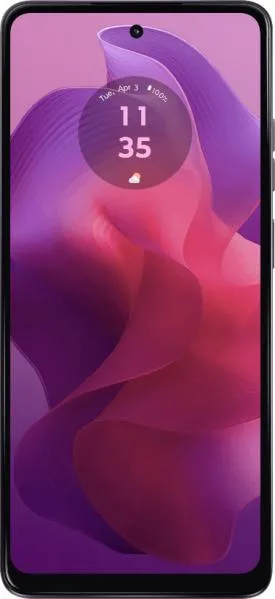
Realme 10 vs. Motorola Moto G24: A Deep Dive for the Discerning Smartphone User
Hello fellow tech enthusiasts! Alex Griffin here, ready to dissect the Realme 10 and the Motorola Moto G24. We'll go beyond the spec sheets to uncover what these phones offer in the real world. Let's get started!
1. Specifications Breakdown
| Feature | Realme 10 | Motorola Moto G24 | Real-World Implications |
|---|---|---|---|
| Design | |||
| Dimensions (mm) | 159.9 x 73.3 x 8 | 163.5 x 74.5 x 8 | Moto G24 slightly larger; both are relatively slim. |
| Weight (g) | 178 | 181 | Negligible weight difference in hand. |
| Display | |||
| Type | Super AMOLED, 90Hz | IPS LCD, 90Hz | Realme 10: richer blacks, vibrant colors, better outdoors. Moto G24: good color accuracy. |
| Size | 6.4" | 6.56" | Moto G24 offers a slightly larger screen for media consumption. |
| Resolution | 1080 x 2400 (411 PPI) | 720 x 1612 (269 PPI) | Realme 10 significantly sharper; noticeable difference in text and image clarity. |
| Performance | |||
| Chipset | Helio G99 (6nm) | Helio G85 (12nm) | Realme 10: more efficient, potentially better battery life and slightly faster performance. |
| CPU | Octa-core (2x2.2 GHz A76 & 6x2.0 GHz A55) | Octa-core (2x2.0 GHz A75 & 6x1.7 GHz A55) | Realme 10 likely has a performance edge in demanding tasks. |
| RAM | 4GB/6GB | 8GB | Moto G24 base model offers more RAM for multitasking. |
| OS | Android 12 | Android 14 | Moto G24 ships with the latest Android version, offering newer features and security updates. |
| Camera | |||
| Main | 50MP | 50MP | Comparable resolution, but real-world image quality depends on sensor and processing. |
| Selfie | 16MP | 8MP | Realme 10: Higher resolution selfie camera. |
| Battery Life | |||
| Capacity | 5000 mAh | 5000 mAh | Similar battery capacity; actual battery life depends on usage and optimization. |
2. Key Insights
- Display: The Realme 10's Super AMOLED display is a clear winner, offering vibrant colors, deeper blacks, and higher resolution. The Moto G24's LCD is decent, but the lower resolution is noticeable.
- Performance: While both phones use MediaTek processors, the Realme 10's Helio G99, built on a more efficient 6nm process, is likely to provide better performance and battery life compared to the Moto G24's Helio G85.
- Software: Moto G24 has a significant advantage with Android 14, promising a longer software update cycle and access to the latest features. Realme 10 is stuck on Android 12, which is a considerable downside.
- Camera: Both have 50MP main cameras. Real-world performance needs further investigation, as megapixels don't tell the whole story. However, the Realme 10 boasts a significantly better selfie camera with a 16MP sensor compared to the Moto G24's 8MP.
- Price: The Moto G24 is positioned in the "low price" segment while the Realme 10 sits in the "medium price" range. This difference is crucial in the overall value proposition.
3. User Profiles and Recommendations
- Realme 10: For users who prioritize a vibrant display, smooth performance, and a good camera experience, even if it means paying a bit more. Ideal for multimedia consumption, gaming, and photography enthusiasts.
- Moto G24: Best suited for budget-conscious users who prioritize the latest software and acceptable performance for everyday tasks. Excellent for those seeking a reliable phone without breaking the bank.
4. Buying Decision Framework
- What's your budget? If price is a primary concern, the Moto G24 is the more affordable option.
- How important is display quality? If you value a rich and immersive viewing experience, the Realme 10's AMOLED display is a must-have.
- Do you need the latest software? If having the most up-to-date Android features and security updates is crucial, the Moto G24's Android 14 makes it the clear choice.
My Choice: The Realme 10 (with a caveat)
While the Moto G24's updated software and lower price are tempting, I would choose the Realme 10. The superior display, potentially better performance, and more compelling camera setup (especially the selfie camera) are significant factors for me. The AMOLED screen alone makes a huge difference in daily use.
However, the Realme 10's outdated Android version is a major concern. If Realme commits to a timely Android 13 (or even 14) update, then it's a no-brainer. Without that assurance, the Moto G24 becomes a much stronger contender, especially for long-term use. I'd strongly advise checking Realme's update policy before making a final decision.
