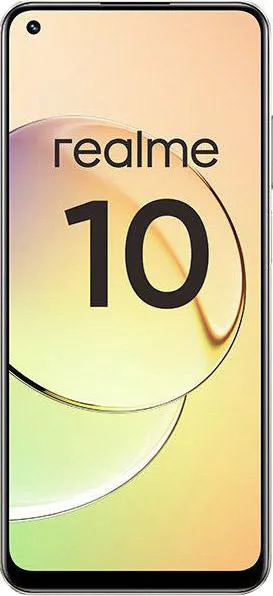
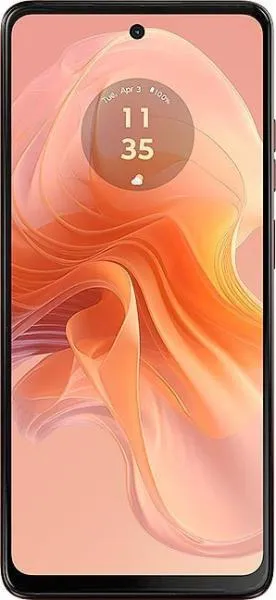
Realme 10 vs. Motorola Moto G04s: A Deep Dive for the Discerning Smartphone User
The mid-range smartphone market is fiercely competitive, with manufacturers constantly vying for your attention. Today, we'll dissect two contenders: the Realme 10 and the Motorola Moto G04s. By blending technical expertise with real-world insights, we'll empower you to choose the device that best fits your needs.
1. Specifications Breakdown
| Feature | Realme 10 | Motorola Moto G04s | Real-World Implications |
|---|---|---|---|
| Design | |||
| Dimensions (mm) | 159.9 x 73.3 x 8 | 163.5 x 74.5 x 8 | Moto G04s slightly larger; negligible difference in daily use. |
| Weight (g) | 178 | 178.8 | Virtually identical; comfortable for one-handed use for most. |
| Display | |||
| Type | Super AMOLED, 90Hz | IPS LCD, 90Hz | Realme 10 offers more vibrant colors, deeper blacks, and better outdoor visibility. |
| Resolution | 1080 x 2400 | 720 x 1612 | Realme 10 significantly sharper; noticeable difference in image and text clarity. |
| PPI Density | 411 | 269 | Realme 10 noticeably crisper; important for media consumption and overall visual appeal. |
| Performance | |||
| Chipset | Mediatek Helio G99 (6nm) | Unisoc T606 (12nm) | Realme 10 likely faster and more efficient for demanding tasks and gaming. |
| CPU | Octa-core (2x2.2 GHz A76 & 6x2.0 GHz A55) | Octa-core (2x1.6 GHz A75 & 6x1.6 GHz A55) | Realme 10 has a performance edge due to higher clock speeds and more powerful cores. |
| GPU | Mali-G57 MC2 | Mali-G57 MP1 | Realme 10 offers better graphics performance; smoother gaming and faster rendering. |
| RAM | 4GB/6GB/8GB | 4GB | Realme 10 offers more RAM options for better multitasking; 4GB may feel limiting on the Moto G04s |
| Camera | |||
| Main | 50MP, f/1.8 | 50MP, f/1.8 | Comparable main cameras on paper; real-world image quality needs further investigation. |
| Selfie | 16MP, f/2.45 | 5MP, f/2.2 | Realme 10 offers a significantly higher resolution selfie camera. |
| Battery Life | |||
| Capacity | 5000 mAh | 5000 mAh | Similar battery capacity; actual battery life depends on usage and optimization. |
| OS | Android 12 (upgradable) | Android 14 | Moto G04s ships with a newer Android version; long-term software updates are crucial. |
2. Key Insights
The Realme 10 clearly leads in display and performance. Its Super AMOLED screen and higher resolution provide a vastly superior visual experience. The Helio G99 chipset offers a significant performance advantage over the Unisoc T606, translating to smoother gaming, faster app loading, and better multitasking.
The Moto G04s boasts a newer Android version (14) out of the box, promising a more modern software experience and potentially longer software support. However, its lower resolution display and less powerful processor are notable drawbacks. While both phones have 50MP main cameras, the Realme 10's higher resolution selfie camera is a differentiator for selfie enthusiasts.
3. User Profiles and Recommendations
Realme 10: Ideal for users who prioritize display quality, performance, and a good selfie camera. Gamers, multimedia consumers, and those seeking a visually engaging experience will appreciate the Realme 10.
Moto G04s: Best suited for budget-conscious users who prioritize a clean Android experience and long-term software updates over raw performance or display brilliance. Casual users who primarily use their phones for communication, social media, and light browsing might find the Moto G04s sufficient.
4. Buying Decision Framework
- Is display quality a top priority? If yes, the Realme 10's Super AMOLED screen is the clear winner.
- Do you need a phone for demanding tasks or gaming? If yes, the Realme 10's superior performance is crucial.
- Is having the latest Android version essential? If yes, the Moto G04s' Android 14 gives it an edge.
Scenario-Based Recommendations:
- Student on a budget: Moto G04s, provided long-term software updates are confirmed.
- Mobile gamer: Realme 10 for its superior performance and display.
- Photography enthusiast: Realme 10 for its better selfie camera and potentially superior main camera performance (pending real-world testing).
My Choice: The Realme 10
While the Moto G04s' clean Android 14 is appealing, the Realme 10's superior display and performance are decisive factors for me. As someone who consumes a lot of media and appreciates a smooth user experience, the Realme 10 aligns better with my needs. The significant difference in screen resolution and processing power would impact my daily usage more than the newer Android version on the Moto G04s. The potential for future Android updates on the Realme 10 further solidifies my choice.
