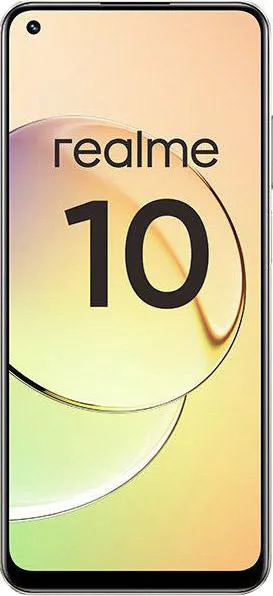
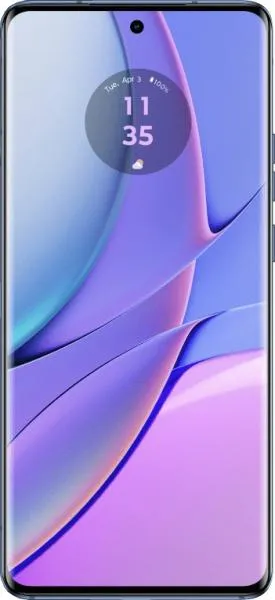
Realme 10 vs. Motorola Edge 40: A Comparative Analysis
Let's dive deep into a head-to-head comparison of the Realme 10 and the Motorola Edge 40, dissecting their technical specifications and translating them into real-world user experiences.
1. Specifications Breakdown
| Feature | Realme 10 | Motorola Edge 40 | Real-World Implications |
|---|---|---|---|
| Design | |||
| Dimensions (mm) | 159.9 x 73.3 x 8 | 158.4 x 72 x 7.6 | Edge 40 is slightly more compact and thinner. |
| Weight (g) | 178 | 167 | Edge 40 is noticeably lighter, improving one-handed use. |
| Build Materials | Plastic | Plastic Frame, Glass Back | Edge 40 offers a more premium feel with its glass back. Realme 10's plastic build may be more durable in the long run, though less premium feeling. |
| Display | |||
| Type | Super AMOLED | pOLED | Both offer vibrant colors and deep blacks. pOLED generally consumes less power. |
| Size | 6.4" | 6.55" | Edge 40 provides a slightly larger screen for more immersive content. |
| Refresh Rate | 90Hz | 144Hz | Edge 40's significantly higher refresh rate results in noticeably smoother scrolling and animations. |
| Peak Brightness | 1000 nits | 1200 nits | Edge 40 can get brighter, improving outdoor visibility. |
| Performance | |||
| Chipset | Helio G99 | Dimensity 8020 | Edge 40's Dimensity 8020 offers significantly better CPU and GPU performance, leading to smoother multitasking and gaming. |
| CPU | Octa-core (2x2.2 GHz A76, 6x2.0 GHz A55) | Octa-core (4x2.6 GHz A78, 4x2.0 GHz A55) | Edge 40 has more powerful cores and higher clock speeds, translating to faster app loading and responsiveness. |
| RAM | 4/6/8GB | 8GB | More RAM on the Edge 40 enables better multitasking and reduces app closures in the background. |
| Camera | |||
| Main Camera | 50MP | 50MP | Both have high-resolution sensors, but image quality will depend on processing and lens quality. |
| Ultrawide | No | 13MP | Edge 40 offers ultrawide capabilities for capturing wider scenes. |
| Selfie Camera | 16MP | 32MP | Edge 40 boasts a higher-resolution selfie camera. |
| Video Recording | 1080p@30fps | 4K@30fps | Edge 40 can record video at a higher resolution. |
| Battery Life | |||
| Capacity | 5000 mAh | 4400 mAh | Realme 10 has a larger battery capacity, potentially offering longer usage time. |
| Charging | 33W | NA | Faster charging on the Realme 10 means less downtime. Motorola Edge 40 supports 15W wireless charging |
| OS | Android 12 | Android 13 | Edge 40 comes with a newer Android version out of the box, potentially offering more features and longer software support. |
2. Key Insights
- Performance: The Motorola Edge 40 is the clear winner in terms of performance, thanks to its more powerful Dimensity 8020 chipset and higher RAM. This translates to a smoother, more responsive user experience, especially for demanding tasks like gaming and multitasking.
- Display: While both phones offer excellent displays, the Edge 40's 144Hz refresh rate provides a significant advantage in fluidity. This is noticeable in everyday use, making scrolling and animations feel incredibly smooth.
- Camera: Both phones feature capable cameras, but the Edge 40's inclusion of an ultrawide lens and a higher-resolution selfie camera gives it greater versatility.
- Battery Life: The Realme 10's larger battery capacity suggests longer battery life, but real-world usage will depend on various factors. The Edge 40's faster processor might offset the smaller battery to some degree.
3. User Profiles and Recommendations
- Realme 10: Best suited for budget-conscious users who prioritize battery life and reliable performance for everyday tasks.
- Motorola Edge 40: Ideal for users who demand top-notch performance, a smooth display, and a versatile camera system. The higher refresh rate makes it particularly appealing for gamers and those sensitive to UI smoothness.
4. Buying Decision Framework
- What's your budget? The Realme 10 is generally more affordable.
- What are your performance needs? For demanding tasks, the Edge 40 is significantly better.
- How important is display smoothness and camera versatility? The Edge 40 excels in both areas.
My Choice: I would choose the Motorola Edge 40. While the Realme 10 offers a larger battery, the Edge 40's superior performance, smoother display, more versatile camera system, and more modern OS make it a more compelling overall package for my needs. As a tech journalist, I value a responsive and fluid user experience, and the Edge 40 delivers that in spades. The slightly smaller battery is a trade-off I'm willing to make for the significant gains in other areas. Additionally, wireless charging support is a huge plus for convenience.
