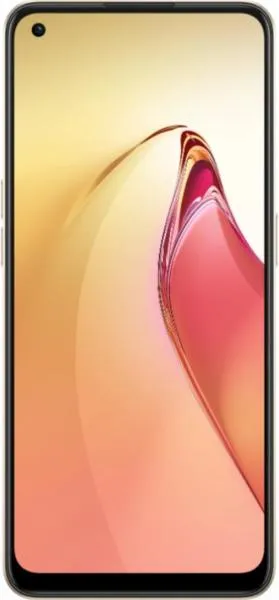
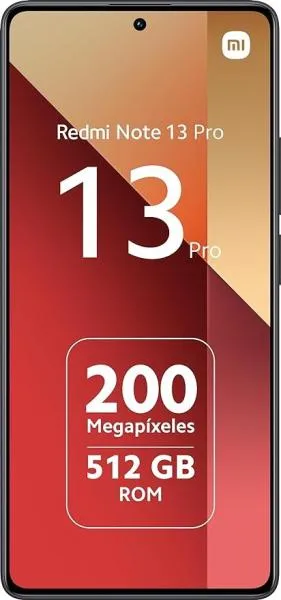
Oppo Reno8 vs. Xiaomi Redmi Note 13 Pro 4G: A Comparative Analysis
Let's dive into a detailed comparison of the Oppo Reno8 and the Xiaomi Redmi Note 13 Pro 4G, dissecting their specifications and uncovering what they mean for you, the user.
1. Specifications Breakdown
| Feature | Oppo Reno8 | Xiaomi Redmi Note 13 Pro 4G | Real-World Implications |
|---|---|---|---|
| Design | |||
| Dimensions (mm) | 160.6 x 73.4 x 7.7 | 161.1 x 75 x 8 | Reno8 is slightly more compact and pocket-friendly. Note 13 Pro might feel a bit bulkier. |
| Weight (g) | 179 | 188 | Noticeable difference in hand; Reno8 feels lighter for extended use. |
| Display | |||
| Size (inches) | 6.4 | 6.67 | Note 13 Pro offers a larger screen for more immersive media consumption. |
| Resolution | 1080 x 2400 | 1080 x 2400 | Both have sharp FHD+ displays; pixel density difference is negligible in real-world usage. |
| Refresh Rate (Hz) | 90 | 120 | Note 13 Pro's higher refresh rate translates to smoother scrolling and animations, a more fluid user experience. |
| Display Type | AMOLED | AMOLED | Both offer vibrant colors and deep blacks characteristic of AMOLED technology. |
| Peak Brightness | 800 nits | 1300 nits | Note 13 Pro's significantly higher peak brightness ensures better visibility in direct sunlight. |
| Performance | |||
| Chipset | Dimensity 1300 | Helio G99 Ultra | Dimensity 1300 generally offers better performance in demanding tasks and gaming. |
| CPU | Octa-core | Octa-core | Both are capable for daily tasks, but Dimensity 1300's architecture provides a performance edge. |
| RAM (GB) | 8 | 8/12 | Note 13 Pro offers a 12GB RAM option for enhanced multitasking and demanding applications. |
| Camera | |||
| Main Camera (MP) | 50 | 200 | Note 13 Pro boasts significantly higher megapixel count, potentially capturing more detail. |
| Sensor | Sony IMX766 | Samsung ISOCELL HP3 | Both are reputable sensors, but real-world image quality depends on processing and software. |
| Video | 4K@30fps | 1080p@60fps | Reno8 offers higher resolution video recording, but Note 13 Pro might have better stabilization. |
| Battery Life | |||
| Capacity (mAh) | 4500 | 5000 | Note 13 Pro has a larger battery, likely resulting in longer usage time. |
| Fast Charging | 80W | 67W | Reno8 offers faster charging speeds, minimizing downtime. |
2. Key Insights
- Performance: While both phones handle everyday tasks with ease, the Reno8's Dimensity 1300 provides a noticeable advantage in demanding applications and gaming.
- Display: The Note 13 Pro's 120Hz refresh rate and higher peak brightness deliver a more fluid and enjoyable viewing experience, especially outdoors. The Reno 8's display, while excellent, is a step behind in fluidity and visibility.
- Camera: The Note 13 Pro's 200MP main camera sensor is intriguing, potentially capturing incredible detail. However, megapixels aren't everything; real-world performance will depend on image processing. The Reno8's Sony IMX766 is a proven sensor known for excellent image quality. This is a category where hands-on testing is crucial.
- Battery and Charging: A classic trade-off: The Note 13 Pro offers a larger battery for extended use, while the Reno8 boasts faster charging to quickly top up.
3. User Profiles and Recommendations
- Oppo Reno8: Suited for users who prioritize a compact design, strong performance, and fast charging. Ideal for mobile gaming, multitasking, and those who value a lighter phone.
- Xiaomi Redmi Note 13 Pro 4G: Best for users who prioritize a large, bright, and smooth display, long battery life, and a high-resolution main camera. Great for media consumption, casual photography, and those who dislike frequent charging.
4. Buying Decision Framework
- Is top-tier performance for gaming or demanding apps a priority? If yes, the Reno8's Dimensity 1300 is the better choice.
- How important is a long-lasting battery versus fast charging? If battery life trumps charging speed, lean towards the Note 13 Pro.
- Is a large and vibrant display a must-have? The Note 13 Pro's 120Hz, high-brightness AMOLED screen is a clear winner in this regard.
My Choice: The Oppo Reno8
While the Redmi Note 13 Pro 4G has tempting features like the 200MP camera and larger battery, I would choose the Oppo Reno8. The Dimensity 1300's superior performance, coupled with the compact and lightweight design, aligns better with my personal preferences. As someone who values a responsive and smooth user experience, especially for gaming and productivity, the Reno8's processing power is a deciding factor. The 80W fast charging also addresses my impatience when it comes to topping up the battery. While the Note 13 Pro's display is objectively better, I'm willing to trade those marginal gains for the significant performance advantage and more pocketable form factor of the Reno8. Finally, my experience with Sony IMX sensors leads me to believe the Reno8's camera will produce consistently excellent results, even without the headline-grabbing 200MP count.
