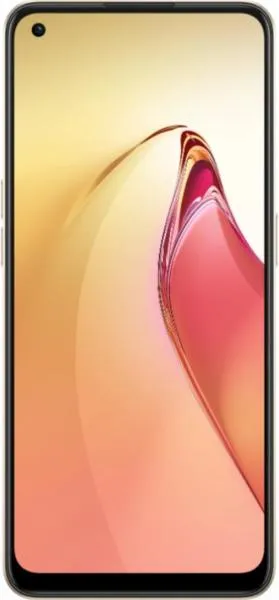
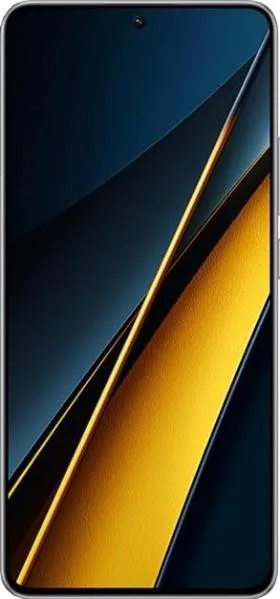
Let's dive into a comparative analysis of the Oppo Reno8 and the Xiaomi Poco X6 Pro, dissecting their technical specifications and translating them into real-world implications for you.
1. Specifications Breakdown
| Feature | Oppo Reno8 | Xiaomi Poco X6 Pro | Real-World Implications |
|---|---|---|---|
| Design | |||
| Dimensions (mm) | 160.6 x 73.4 x 7.7 | 160.5 x 74.3 x 8.3 | Poco X6 Pro is slightly larger and thicker. Reno8 might offer a slightly more compact feel in hand. |
| Weight (g) | 179 | 186 | Negligible weight difference in real-world usage. |
| Display | |||
| Size (inches) | 6.4 | 6.67 | Poco X6 Pro offers a larger screen for more immersive media consumption. |
| Resolution (px) | 1080 x 2400 | 1220 x 2712 | Poco X6 Pro boasts sharper visuals due to higher resolution and pixel density. |
| Refresh Rate (Hz) | 90 | 120 | Poco X6 Pro's 120Hz display will feel significantly smoother for scrolling and gaming. |
| Display Type | AMOLED | AMOLED | Both offer vibrant colors and deep blacks. |
| HDR | No | HDR10+, Dolby Vision | Poco X6 Pro supports HDR for enhanced dynamic range in compatible content. |
| Performance | |||
| Chipset | Dimensity 1300 | Dimensity 8300 Ultra | Poco X6 Pro's newer and more powerful chipset will deliver significantly better performance. |
| CPU | Octa-core | Octa-core | Poco X6 Pro's CPU architecture is more modern and efficient, leading to faster processing. |
| GPU | Mali-G77 MC9 | Mali G615-MC6 | Poco X6 Pro's GPU should offer a noticeable improvement in gaming performance. |
| RAM (GB) | 8 | 8/12 | Poco X6 Pro offers a 12GB RAM option for even more demanding multitasking. |
| Camera | |||
| Main Camera (MP) | 50 | 64 | Both use capable sensors, but Poco X6 Pro has higher resolution. Real-world image quality comparison needed. |
| Features | Optical Stabilization | Poco X6 Pro includes Optical Image Stabilization (OIS) for steadier videos and potentially better low-light photos. | |
| Battery Life | |||
| Capacity (mAh) | 4500 | 5000 | Poco X6 Pro has a larger battery, potentially leading to longer usage time. |
| Fast Charging | 80W | 67W | Oppo Reno8 charges faster despite a smaller battery capacity. |
2. Key Insights
The Xiaomi Poco X6 Pro emerges as the clear winner in terms of raw specifications, boasting a superior display, a significantly more powerful processor, a larger battery, and optical image stabilization for its camera. The 120Hz refresh rate display alone makes a huge difference in day-to-day use, providing a buttery smooth experience. The Dimensity 8300 Ultra chipset will handle demanding tasks and games with much more ease than the Reno8's Dimensity 1300.
However, the Oppo Reno8 isn't without its merits. Its more compact design might appeal to users who prefer a smaller phone. It also boasts incredibly fast 80W charging, getting you back to full power quicker than the Poco X6 Pro.
3. User Profiles and Recommendations
- Power User/Gamer: The Poco X6 Pro, with its powerful chipset, high refresh rate display, and larger battery, is the better choice for demanding tasks, gaming, and extended use.
- Casual User/Content Consumer: The Poco X6 Pro is still a great option due to its superior display and long battery life. The improved camera with OIS is a bonus for capturing memories.
- User Prioritizing Compactness and Fast Charging: The Oppo Reno8 might be preferable for those who value a smaller, more pocketable phone and need incredibly fast charging capabilities.
4. Buying Decision Framework
- What is your budget? While both are mid-range, the Poco X6 Pro might be slightly more expensive, especially for the 12GB RAM variant.
- What is your primary use case? Gaming and heavy multitasking lean towards the Poco X6 Pro. Casual use, media consumption, and a need for a compact phone might favor the Reno8.
- How important is display quality and smoothness? The Poco X6 Pro's 120Hz AMOLED with HDR is a significant upgrade over the Reno8's 90Hz display.
My Choice
If I were choosing between these two, I would go with the Xiaomi Poco X6 Pro. While I appreciate the Reno8's compact form factor and blazing-fast charging, the Poco X6 Pro's overall performance, future-proofed specifications (newer chipset, Android updates up to version 17), and superior display are more compelling to me. The smoother scrolling, more immersive gaming experience, and enhanced camera capabilities offered by the Poco X6 Pro outweigh the benefits of the Reno8 in my personal use case. The difference in charging speed, while noticeable, isn't a significant enough factor to sway my decision given the substantial performance gap.
