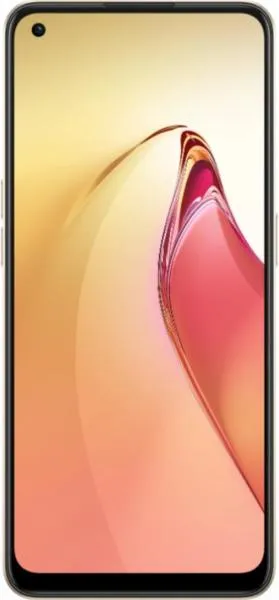
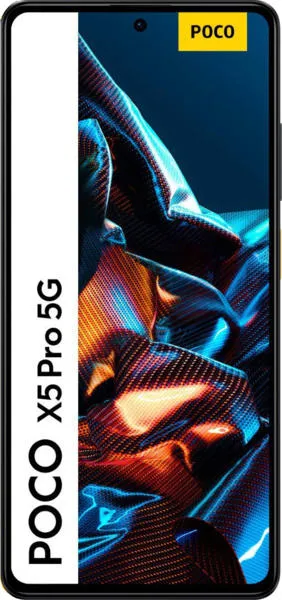
Oppo Reno8 vs. Xiaomi Poco X5 Pro: A Deep Dive for the Discerning Smartphone User
Hello, fellow tech explorers! Today, we're dissecting two intriguing mid-range contenders: the Oppo Reno8 and the Xiaomi Poco X5 Pro. Let's delve beyond the spec sheets and uncover what these phones truly offer in the real world.
1. Specifications Breakdown
| Feature | Oppo Reno8 | Xiaomi Poco X5 Pro | Real-World Implications |
|---|---|---|---|
| Design | |||
| Dimensions (mm) | 160.6 x 73.4 x 7.7 | 162.9 x 76.0 x 7.9 | Poco X5 Pro is slightly larger; Reno8 is thinner and marginally lighter. Negligible difference in daily handling. |
| Weight (g) | 179 | 181 | Both are lightweight for their size, contributing to comfortable one-handed use. |
| Display | |||
| Size (inches) | 6.4 | 6.67 | Poco X5 Pro offers a larger screen for more immersive content consumption. |
| Resolution | 1080 x 2400 | 1080 x 2400 | Both have sharp FHD+ displays. |
| Refresh Rate (Hz) | 90 | 120 | Poco X5 Pro's 120Hz display will feel noticeably smoother for scrolling and gaming, contributing to a more premium experience. |
| Display Type | AMOLED | AMOLED | Both offer vibrant colors and deep blacks. However, Poco X5 Pro supports Dolby Vision and HDR10+ for superior dynamic range. |
| Performance | |||
| Chipset | Dimensity 1300 | Snapdragon 778G 5G | Both are capable mid-range chipsets; Snapdragon 778G generally edges out in benchmarks, offering potentially smoother performance. |
| CPU | Octa-core | Octa-core | Similar CPU configurations, but clock speeds vary slightly, favoring the Dimensity 1300 in burst performance. |
| GPU | Mali-G77 MC9 | Adreno 642L | Adreno 642L generally provides better gaming performance and efficiency. |
| RAM (GB) | 8 | 8 | Both offer ample RAM for multitasking. |
| Camera | |||
| Main Camera (MP) | 50 (Sony IMX766) | 108 (Samsung HM2) | Poco X5 Pro boasts higher resolution; Reno8 utilizes a larger sensor known for good low-light performance. Image quality comparison requires real-world testing. |
| Battery Life | |||
| Capacity (mAh) | 4500 | 5000 | Poco X5 Pro offers a larger battery capacity, potentially translating to longer usage time. |
| Fast Charging | 80W | 67W | Reno 8 charges faster despite a smaller battery. |
2. Key Insights
The Poco X5 Pro stands out with its superior display (120Hz, Dolby Vision), larger battery, and higher resolution main camera. However, the Reno8 counters with a potentially superior main camera sensor (Sony IMX766), faster charging, and a slightly more compact design. The Dimensity 1300 in the Reno8 might also offer slightly better peak CPU performance, but the Snapdragon 778G in the Poco X5 Pro generally provides a more balanced and efficient performance profile.
3. User Profiles and Recommendations
Poco X5 Pro: Ideal for users prioritizing media consumption, mobile gaming, and all-day battery life. The vibrant display and smooth performance enhance entertainment experiences.
Oppo Reno8: Suited for users who value a compact form factor, fast charging, and potentially superior low-light photography. The Sony IMX766 sensor often outperforms higher resolution sensors in challenging lighting conditions.
4. Buying Decision Framework
- What is your primary use case? Heavy gaming and media consumption favor the Poco X5 Pro; photography enthusiasts might prefer the Reno8.
- How important is battery life? The Poco X5 Pro's larger battery likely provides longer usage between charges.
- Are you sensitive to screen size and refresh rate? The Poco X5 Pro's larger, 120Hz display offers a more immersive and fluid visual experience.
My Choice:
If I were choosing between these two, I would opt for the Xiaomi Poco X5 Pro. While the Reno8 has its merits (faster charging, potentially better low-light camera performance), the Poco X5 Pro's combination of a 120Hz AMOLED display with Dolby Vision, a larger battery, and the generally more efficient Snapdragon 778G 5G chipset presents a more compelling overall package for my usage patterns. The smoother display and longer battery life are significant factors in my daily workflow and entertainment consumption. Although the Reno8's main camera sensor is enticing, the real-world performance differences would need to be substantial to outweigh the Poco X5 Pro's advantages in other areas.
