Oppo Reno6 5G vs. Xiaomi Redmi Note 13: A Detailed Comparison
1. Specifications Breakdown
Design & Build
| Feature | Oppo Reno6 5G | Xiaomi Redmi Note 13 | Real-World Implications |
|---|
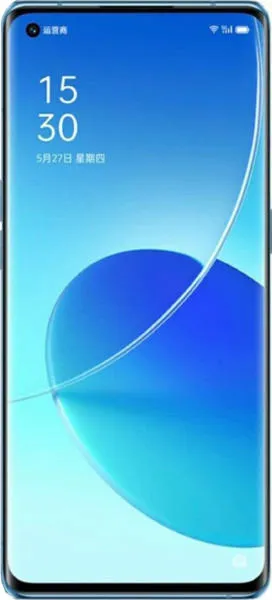
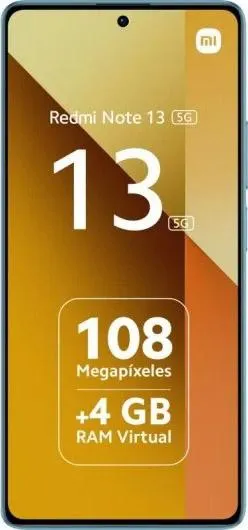
| Dimensions | 156.8 × 72.1 × 7.6 mm | 161.1 × 75 × 7.6 mm | Xiaomi is slightly larger but lighter (174.5g vs. 182g). Oppo feels more compact. |
| Weight | 182g | 174.5g | Xiaomi is marginally lighter, better for one-handed use. |
| Build Protection | Gorilla Glass 5 | Gorilla Glass 5 | Both offer similar scratch resistance. |
| Fingerprint Sensor | Basic (under display) | Side-mounted | Xiaomi’s side-mounted sensor is faster and more reliable. |
Display
| Feature | Oppo Reno6 5G | Xiaomi Redmi Note 13 | Real-World Implications |
|---|
| Size | 6.43" AMOLED | 6.67" AMOLED | Xiaomi’s display is larger (better for media, gaming). |
| Resolution | 1080x2400 (409 PPI) | 1080x2400 (395 PPI) | Nearly identical sharpness. |
| Refresh Rate | 90Hz | 120Hz | Xiaomi offers smoother scrolling and animations. |
| Brightness | 1100 nits | Not specified | Oppo excels in outdoor visibility (much brighter). |
Performance
| Feature | Oppo Reno6 5G | Xiaomi Redmi Note 13 | Real-World Implications |
|---|
| Chipset | Dimensity 900 | Dimensity 6080 | Oppo is significantly faster (82% higher Antutu score). |
| GPU | Mali-G68 MC4 | Mali-G57 MC2 | Oppo better for gaming and graphics-heavy tasks. |
| RAM Options | 8GB / 12GB | 6GB / 8GB / 12GB | Oppo has better multitasking due to faster chipset. |
Camera
| Feature | Oppo Reno6 5G | Xiaomi Redmi Note 13 | Real-World Implications |
|---|
| Main Camera | 50MP (f/1.8, Sony IMX766) | 108MP (f/1.7, Samsung HM6) | Xiaomi has higher resolution but smaller sensor—Oppo likely better in low light. |
| Ultrawide | 16MP (f/2.2) | 8MP (f/2.2) | Oppo’s ultrawide is far superior. |
| Telephoto | 13MP (2x optical) | None | Oppo has real zoom—better for portraits and distance shots. |
| Selfie | 32MP (f/2.4) | 16MP (f/2.4) | Oppo has much sharper selfies. |
| Video | 4K@30fps, OIS | 1080p@30fps, no OIS | Oppo is far better for videography. |
Battery & Charging
| Feature | Oppo Reno6 5G | Xiaomi Redmi Note 13 | Real-World Implications |
|---|
| Capacity | 4500mAh | 5000mAh | Xiaomi lasts longer per charge. |
| Charging | 65W (fast) | 33W (medium-fast) | Oppo charges twice as fast (0-100% in ~30 min). |
Software & Extras
| Feature | Oppo Reno6 5G | Xiaomi Redmi Note 13 | Real-World Implications |
|---|
| OS | Android 11 (up to 12) | Android 13 (up to 16) | Xiaomi has longer software support. |
| Audio | Basic | Dolby Atmos | Xiaomi has better sound quality. |
| Connectivity | WiFi 6, BT 5.2 | WiFi 5, BT 5.3 | Oppo has faster WiFi; Xiaomi has newer Bluetooth. |
2. Key Insights
Oppo Reno6 5G Strengths
✔ Much faster chipset (better for gaming, multitasking).
✔ Superior camera system (4K video, OIS, better ultrawide & telephoto).
✔ Brighter display (1100 nits vs. unspecified).
✔ Blazing-fast charging (65W vs. 33W).
Xiaomi Redmi Note 13 Strengths
✔ Larger battery (5000mAh vs. 4500mAh).
✔ 120Hz display (vs. 90Hz).
✔ Newer OS (Android 13 with longer updates).
✔ Dolby Atmos audio.
Trade-Offs
- Oppo Reno6 5G has an older OS, but Xiaomi’s slower chipset might age worse.
- Xiaomi’s main camera has more megapixels, but Oppo’s sensor is larger (better low-light shots).
- Oppo charges faster, but Xiaomi lasts longer.
3. User Profiles & Recommendations
Best for Oppo Reno6 5G:
- Photographers & Videographers (better camera versatility, 4K, OIS).
- Gamers (faster chipset, better GPU).
- Fast-charging lovers (65W fills up in ~30 min).
Best for Xiaomi Redmi Note 13:
- Media consumers (bigger 120Hz display, Dolby Atmos).
- Battery life seekers (5000mAh lasts longer).
- Budget-conscious users (likely cheaper).
4. Buying Decision Framework
Ask yourself:
- Do you prioritize camera quality and performance? → Oppo Reno6 5G.
- Do you want a bigger battery and smoother display? → Xiaomi Redmi Note 13.
- Is fast charging or longer updates more important? → Oppo for speed, Xiaomi for future-proofing.
Scenario-Based Picks
- For a power user who games & records videos: Oppo Reno6 5G.
- For a student who watches movies & needs all-day battery: Xiaomi Redmi Note 13.
Final Verdict: Which Would I Choose?
I’d pick the Oppo Reno6 5G—it’s simply the better all-round performer with a superior chipset, camera versatility, and faster charging. While the Xiaomi has a bigger battery and 120Hz screen, the Oppo’s real-world speed, 4K video, and optical zoom make it the smarter long-term choice unless you only care about battery life.
That said, if software updates and media consumption are key, the Xiaomi Redmi Note 13 is a solid alternative.
Winner: Oppo Reno6 5G (for power users), Xiaomi Redmi Note 13 (for endurance-focused users).