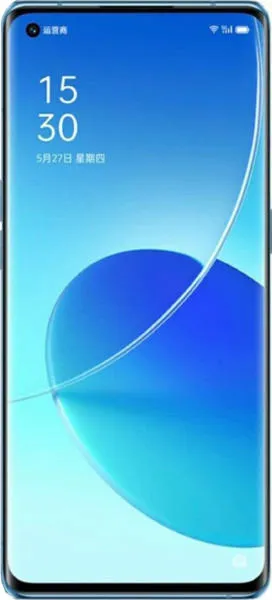
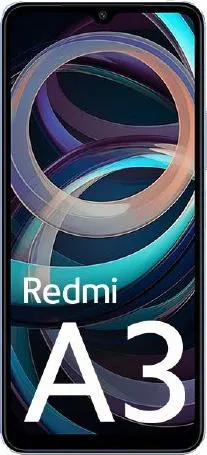
Oppo Reno6 5G vs. Xiaomi Redmi A3: In-Depth Comparison
These two phones cater to different audiences—while the Oppo Reno6 5G is a mid-range device with premium features, the Xiaomi Redmi A3 is an ultra-budget phone with modest specs. Here’s a detailed breakdown to help you decide which one fits your needs.
1. Specifications Breakdown
Design & Build
| Feature | Oppo Reno6 5G | Xiaomi Redmi A3 | Real-World Implications |
|---|---|---|---|
| Dimensions | 156.8 × 72.1 × 7.6 mm | 168.3 × 76.3 × 8.3 mm | Reno6 5G is more compact and slimmer, easier for one-hand use. |
| Weight | 182g | 193g | Reno6 feels lighter (~11g difference). |
| Screen Protection | Gorilla Glass 5 | Gorilla Glass 3 | Reno6 is more durable against drops/scratches. |
| Fingerprint Sensor | Basic optical | Side-mounted | Redmi A3’s placement is more convenient, but neither is a standout. |
Display
| Feature | Oppo Reno6 5G | Xiaomi Redmi A3 | Real-World Implications |
|---|---|---|---|
| Size | 6.43" AMOLED | 6.71" IPS LCD | Redmi A3 has a bigger screen, but Reno6 has better quality. |
| Resolution | 1080x2400 (409 PPI) | 720x1650 (268 PPI) | Reno6 is vastly sharper—text and media look much clearer. |
| Brightness | 1100 nits (peak) | Not specified (likely dim) | Reno6 is far better outdoors—easier to see in sunlight. |
| Refresh Rate | 90Hz | 90Hz | Same smoothness, but AMOLED on Reno6 feels more responsive. |
Performance
| Feature | Oppo Reno6 5G | Xiaomi Redmi A3 | Real-World Implications |
|---|---|---|---|
| Chipset | Dimensity 900 (6nm) | Helio G36 (12nm) | Reno6 is significantly faster—better for gaming & multitasking. |
| AnTuTu Score | 815,200 | 127,000 | Reno6 is ~6x more powerful—future-proof for apps & games. |
| RAM | 8GB/12GB | 3GB/4GB/6GB | Reno6 handles heavy apps better—Redmi A3 is for light users. |
| Storage | 128GB/256GB (No SD) | 64GB/128GB (No SD) | Reno6 offers more space, but neither has expandable storage. |
Camera
| Feature | Oppo Reno6 5G | Xiaomi Redmi A3 | Real-World Implications |
|---|---|---|---|
| Main Camera | 50MP (Sony IMX766) | 8MP (basic sensor) | Reno6’s camera is vastly superior—better detail, low-light. |
| Ultrawide | 16MP (useful for landscapes) | None | Reno6 has more versatility—great for group shots & scenery. |
| Selfie Camera | 32MP (f/2.4) | 5MP (f/2.2) | Reno6 takes much sharper selfies—better for video calls. |
| Video | 4K@30fps, 1080p@60fps | 1080p@30fps (no stabilization) | Reno6 is much better for recording—smoother, higher quality. |
Battery & Charging
| Feature | Oppo Reno6 5G | Xiaomi Redmi A3 | Real-World Implications |
|---|---|---|---|
| Capacity | 4500mAh | 5000mAh | Redmi A3 lasts longer, but Reno6 charges much faster. |
| Charging | 65W fast charging | 10W slow charging | Reno6 charges fully in ~30 mins vs. ~2+ hours for Redmi A3. |
2. Key Insights
Oppo Reno6 5G Strengths:
✅ Premium display (AMOLED, 1080p, 90Hz) – better for media & gaming.
✅ Powerful performance (Dimensity 900, 8GB+ RAM) – handles heavy tasks well.
✅ Superior camera system (50MP main + ultrawide + macro) – great for photography.
✅ Blazing-fast charging (65W) – charges fully in half an hour.
Xiaomi Redmi A3 Strengths:
✅ Bigger display (6.71") – better for videos but lower resolution.
✅ Larger battery (5000mAh) – longer endurance for light users.
✅ Newer Android version (Android 14 vs. Android 11/12) – likely longer support.
Trade-Offs & Limitations:
⚠ Redmi A3’s performance is weak – struggles with demanding apps/games.
⚠ Camera quality is poor (8MP main, no ultrawide/macro).
⚠ Reno6 5G is older (2021 vs. 2024) – may lose software updates sooner.
3. User Profiles & Recommendations
Best For Oppo Reno6 5G:
📱 Power users (gaming, multitasking).
📸 Photography lovers (50MP + ultrawide).
⚡ Fast-charge seekers (65W is a game-changer).
Best For Xiaomi Redmi A3:
📱 Budget buyers (lower price).
🔋 Long battery life needed (5000mAh).
🔄 Basic users (calls, social media, light browsing).
4. Buying Decision Framework
Ask Yourself:
- Do you care about camera quality? → Oppo Reno6 5G (far better cameras).
- Do you need long battery life but don’t mind slow charging? → Redmi A3.
- Do you play games or use demanding apps? → Oppo Reno6 5G.
Scenario Recommendations:
- Gamer/Content Creator? → Reno6 5G (performance + cameras).
- Casual User on a Budget? → Redmi A3 (basic needs, long battery).
- Photographer/Social Media Enthusiast? → Reno6 5G (best camera in class).
Final Verdict: Which Would I Choose?
I’d pick the Oppo Reno6 5G. Despite being older, it outperforms the Redmi A3 in almost every way—display, performance, cameras, and charging speed.
The Redmi A3 is only worth it if budget is the #1 priority—but for just a bit more money, the Reno6 5G delivers a dramatically better experience.
Winner: Oppo Reno6 5G. 🏆
