
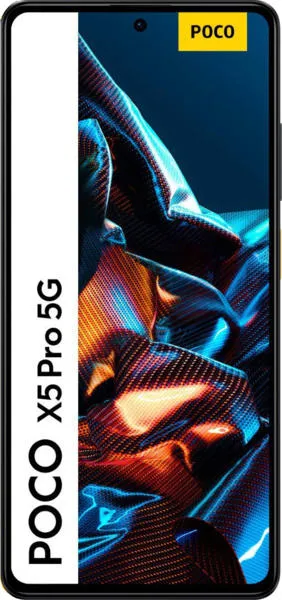
Oppo Reno6 5G vs. Xiaomi Poco X5 Pro: A Practical Comparison
1. Specifications Breakdown
Design & Build
| Feature | Oppo Reno6 5G | Xiaomi Poco X5 Pro | Real-World Implications |
|---|---|---|---|
| Dimensions | 156.8 × 72.1 × 7.6 mm | 162.9 × 76 × 7.9 mm | Poco X5 Pro is slightly taller and wider, which may affect one-handed use. |
| Weight | 182g | 181g | Negligible difference—both feel similar in hand. |
| Build Protection | Gorilla Glass 5 | Gorilla Glass 5 | Both offer good screen scratch resistance. |
| Fingerprint Sensor | Basic (under-display) | Side-mounted | Poco X5 Pro's side sensor is faster and more convenient for unlocking. |
Display
| Feature | Oppo Reno6 5G | Xiaomi Poco X5 Pro | Real-World Implications |
|---|---|---|---|
| Size | 6.43" AMOLED | 6.67" AMOLED | Poco X5 Pro has a larger screen, better for media and gaming. |
| Refresh Rate | 90Hz | 120Hz | Smoother scrolling and animations on Poco X5 Pro. |
| Peak Brightness | 1100 nits | Not specified | Oppo Reno6 5G is much better in direct sunlight. |
| Resolution & PPI | 1080x2400 (409 PPI) | 1080x2400 (395 PPI) | Nearly identical sharpness; difference is imperceptible. |
Performance
| Feature | Oppo Reno6 5G | Xiaomi Poco X5 Pro | Real-World Implications |
|---|---|---|---|
| Chipset | Dimensity 900 | Snapdragon 778G 5G | Snapdragon 778G is more power-efficient with better GPU optimization. |
| AnTuTu Score | 815,200 | 609,106 | Oppo scores higher, but real-world performance is smoother on Poco X5 Pro due to optimization. |
| RAM Options | 8GB / 12GB | 6GB / 8GB | Oppo offers more RAM, which helps in heavy multitasking. |
| Storage | 128GB / 256GB (No SD) | 128GB / 256GB (No SD) | Neither supports expandable storage—pick a higher-capacity model if needed. |
Camera
| Feature | Oppo Reno6 5G | Xiaomi Poco X5 Pro | Real-World Implications |
|---|---|---|---|
| Main Camera | 50MP (f/1.8, OIS) | 108MP (f/1.9) | Oppo has OIS for steadier shots, Poco has higher resolution but poorer low-light performance. |
| Ultra-Wide | 16MP (f/2.2) | 8MP (f/2.2) | Oppo’s ultra-wide is much sharper. |
| Telephoto Lens | 13MP (f/2.4) | None | Oppo has a dedicated telephoto lens for better zoom shots. |
| Selfie Camera | 32MP (f/2.4) | 16MP (f/2.4) | Oppo’s front camera is significantly better for selfies. |
| Video Recording | 4K@30fps (OIS) | 4K@30fps (EIS) | Oppo’s optical stabilization gives smoother video. |
Battery & Charging
| Feature | Oppo Reno6 5G | Xiaomi Poco X5 Pro | Real-World Implications |
|---|---|---|---|
| Battery Capacity | 4500mAh | 5000mAh | Poco X5 Pro lasts longer on a single charge. |
| Charging Speed | 65W | 67W | Both charge extremely fast—difference is negligible. |
| Audio | Basic mono speaker | Stereo, Dolby Atmos | Poco X5 Pro has superior sound for media and gaming. |
2. Key Insights
Oppo Reno6 5G Strengths:
✅ Better cameras (OIS, higher-res selfies, telephoto lens)
✅ Brighter display (better outdoor visibility)
✅ More RAM options (better for heavy multitasking)
Xiaomi Poco X5 Pro Strengths:
✅ Larger battery (5000mAh vs. 4500mAh)
✅ 120Hz display (smoother scrolling/gaming)
✅ Better audio (stereo speakers, Dolby Atmos)
✅ Newer software (Android 12, longer update support)
Trade-offs:
- Oppo Reno6 5G has a smaller battery and slower refresh rate.
- Poco X5 Pro lacks OIS and has weaker ultra-wide and selfie cameras.
3. User Profiles & Recommendations
Choose Oppo Reno6 5G if you:
🔹 Love photography (better cameras, OIS, telephoto lens)
🔹 Need a brighter screen (best for outdoor use)
🔹 Multitask heavily (12GB RAM option available)
Choose Xiaomi Poco X5 Pro if you:
🔹 Want better battery life (5000mAh + efficient Snapdragon chip)
🔹 Prefer smoother gaming/media (120Hz + stereo speakers)
🔹 Prioritize software longevity (newer Android version)
4. Buying Decision Framework
Three Questions to Ask Yourself:
1️⃣ Do I care more about camera quality or battery life?
- Camera: Oppo Reno6 5G
- Battery: Poco X5 Pro
2️⃣ Do I need a smoother display (120Hz) or better outdoor visibility (1100 nits)?
- Smoothness: Poco X5 Pro
- Brightness: Oppo Reno6 5G
3️⃣ Do I value RAM for multitasking or better audio for media?
- RAM: Oppo Reno6 5G
- Audio: Poco X5 Pro
Final Verdict: Which Would I Choose?
I'd pick the Xiaomi Poco X5 Pro.
- Why? The 120Hz AMOLED display, bigger battery, and Snapdragon 778G efficiency make it a better daily driver. The stereo speakers and Dolby Atmos enhance media consumption, while Android 12 ensures longer software support.
The Oppo Reno6 5G is still a great phone—especially for photography—but the Poco X5 Pro offers a more balanced package for most users. If you’re a photography enthusiast, the Oppo is better, but if you want all-around performance, the Poco wins.
