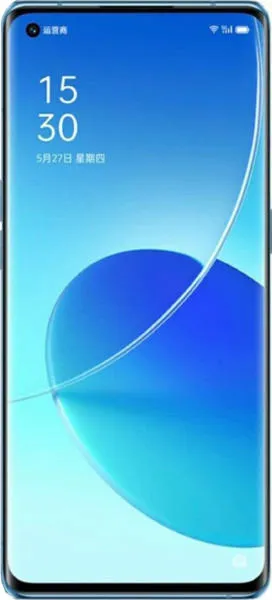
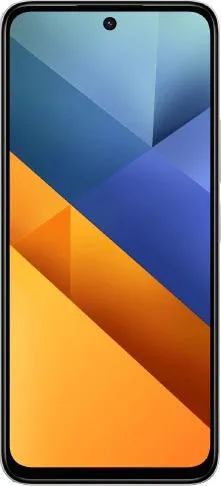
Oppo Reno6 5G vs. Xiaomi Poco M6 4G: A Practical Showdown
Let's break down these two smartphones to see which one deserves your hard-earned cash. I'll go beyond the specs to show how these differences actually play out in daily use.
📊 Specifications Breakdown
📱 Design & Build
| Feature | Oppo Reno6 5G | Xiaomi Poco M6 4G | Real-World Implications |
|---|---|---|---|
| Dimensions | 156.8 × 72.1 × 7.6 mm | 168.6 × 76.3 × 8.3 mm | Reno6 is significantly more compact and pocket-friendly |
| Weight | 182g | 205g | 23g difference makes Reno6 noticeably lighter for daily carry |
| Build Protection | Gorilla Glass 5 | Unknown | Reno6 offers proven drop protection |
| Fingerprint Sensor | Basic under-display | Side-mounted | Poco's sensor is typically faster and more reliable |
Key Takeaway: The Reno6 wins for ergonomics with its slimmer, lighter design, while the Poco M6 feels chunkier but might have a better fingerprint sensor placement.
🖥️ Display
| Feature | Oppo Reno6 5G | Xiaomi Poco M6 4G | Real-World Implications |
|---|---|---|---|
| Size | 6.43" AMOLED | 6.79" IPS LCD | Poco gives more screen real estate, Reno6 has better quality |
| Resolution | 1080x2400 (409 PPI) | 1080x2460 (396 PPI) | Nearly identical sharpness |
| Refresh Rate | 90Hz | 90Hz | Equal smoothness in scrolling |
| Brightness | 1100 nits | Unknown (likely ~500 nits) | Reno6 much better in sunlight |
| Technology | AMOLED | IPS LCD | Reno6 has perfect blacks, better contrast |
Key Takeaway: Choose Poco for size, Reno6 for quality. AMOLED vs LCD is night and day – literally. The Reno6's superior brightness makes it usable in direct sunlight.
⚡ Performance
| Feature | Oppo Reno6 5G | Xiaomi Poco M6 4G | Real-World Implications |
|---|---|---|---|
| Chipset | Dimensity 900 (6nm) | Helio G91 Ultra (12nm) | Reno6's chip is 2 generations newer |
| Antutu Score | 815,200 | 269,266 | Reno6 is over 3x more powerful |
| GPU | Mali-G68 MC4 | Mali-G52 MC2 | Reno6 better for gaming |
| RAM Options | 8GB/12GB | 6GB/8GB | Reno6 better for heavy multitasking |
| OS | Android 11 (up to 12) | Android 14 | Poco has newer OS out of box |
Key Takeaway: The Reno6 demolishes the Poco M6 in performance. That Antutu gap means the Reno6 will stay smooth for years longer. Only advantage for Poco is launching with Android 14.
📸 Camera System
| Feature | Oppo Reno6 5G | Xiaomi Poco M6 4G | Real-World Implications |
|---|---|---|---|
| Main Camera | 50MP (IMX766, 1/1.56") | 108MP (HM6, 1/1.67") | Reno6 has better sensor, Poco has higher megapixels |
| Ultra-wide | 16MP | None | Reno6 can capture much wider shots |
| Telephoto | 13MP 2x optical | None | Reno6 has real zoom capability |
| Selfie | 32MP | 13MP | Reno6 far better for video calls |
| Video | 4K@30fps, 1080p@60fps | 1080p@30fps | Reno6 much better for content creation |
| Stabilization | OIS + EIS | EIS only | Reno6 has smoother video |
Key Takeaway: Reno6 offers a complete camera system with multiple lenses and superior video capabilities. Poco's 108MP sounds impressive but lacks versatility.
🔋 Battery & Charging
| Feature | Oppo Reno6 5G | Xiaomi Poco M6 4G | Real-World Implications |
|---|---|---|---|
| Capacity | 4500mAh | 5030mAh | Poco should last longer |
| Charging Speed | 65W | 33W | Reno6 charges twice as fast |
| Reverse Charging | No | Yes | Poco can charge other devices |
Key Takeaway: Poco wins on endurance, Reno6 on speed. That 65W charging means 0-100% in about 30 mins vs ~1 hour for Poco.
🔍 Key Insights
Oppo Reno6 5G Strengths:
- Premium AMOLED display with excellent brightness
- Significantly more powerful processor
- Complete camera system with telephoto and ultra-wide
- Faster charging
- More compact and lightweight design
Xiaomi Poco M6 4G Strengths:
- Larger screen for media consumption
- Bigger battery capacity
- Newer Android version out of the box
- More affordable price point
Trade-offs:
- Poco's performance is adequate today but may age poorly
- Reno6's battery is smaller but charges incredibly fast
- Poco lacks camera versatility despite high megapixel count
🧑💻 User Profiles & Recommendations
Choose Oppo Reno6 5G if you:
- Want the best performance and camera system
- Value display quality over size
- Need fast charging
- Prefer a more compact phone
- Are willing to pay a premium for better specs
Choose Xiaomi Poco M6 4G if you:
- Want the largest screen possible
- Need maximum battery life
- Are on a tighter budget
- Don't care about having multiple cameras
- Prefer the newest Android version
🤔 Buying Decision Framework
Ask yourself these 3 questions:
What's more important - camera versatility or screen size?
- Camera: Reno6
- Screen: Poco
Do you keep phones for 2+ years?
- Yes: Reno6's superior chipset will age better
- No: Poco may suffice
How important is fast charging?
- Very: Reno6
- Not critical: Poco
Scenario Recommendations:
- Student: Poco M6 for battery life and price
- Photographer: Reno6 for camera system
- Business User: Reno6 for performance and charging
- Media Consumer: Poco M6 for larger screen
🏆 My Choice: Oppo Reno6 5G
While the Poco M6 4G is newer and has a larger battery, the Reno6 5G is the clear winner for me. Here's why:
Future-proof performance - That Dimensity 900 chipset is in another league compared to the Helio G91 Ultra. Apps and games will run smoother for years to come.
Superior display - Once you've used an AMOLED screen, it's hard to go back to IPS LCD. The perfect blacks and high brightness make all content look better.
Camera versatility - Having actual telephoto and ultra-wide lenses makes a huge difference in real-world photography. The 108MP sensor in the Poco sounds impressive on paper, but sensor size and lens options matter more.
Design - The Reno6 is significantly more comfortable to hold and use one-handed.
The only real advantages the Poco has are battery size and launching with Android 14, but the Reno6's faster charging largely negates the battery difference, and its superior hardware makes up for being a few Android versions behind.
Unless you absolutely need the largest possible screen or are on a very tight budget, the Reno6 5G is the better long-term investment that will provide a premium experience across all use cases.
