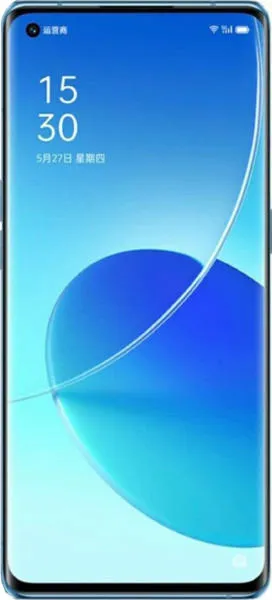
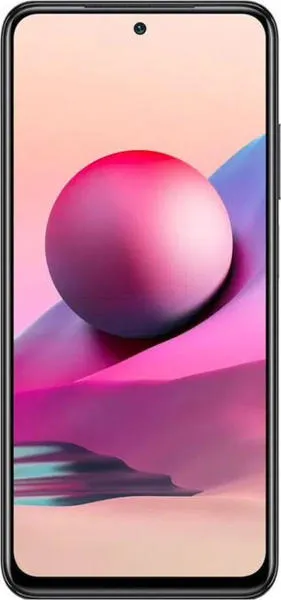
Oppo Reno6 5G vs. Xiaomi Poco M5s: In-Depth Comparison
These two mid-range phones offer strong value but cater to different needs. Let’s break down the specs, real-world performance, and who each phone is best for.
1. Specifications Breakdown
Design & Build
| Feature | Oppo Reno6 5G | Xiaomi Poco M5s | Real-World Implications |
|---|---|---|---|
| Dimensions | 156.8 × 72.1 × 7.6 mm | 160.5 × 74.5 × 8.3 mm | Reno6 is slimmer and more pocket-friendly. |
| Weight | 182g | 178.8g | Nearly identical—both are lightweight. |
| Screen Protection | Gorilla Glass 5 | Gorilla Glass 3 | Reno6 has better drop resistance. |
Takeaway: The Reno6 5G is sleeker and more premium-feeling, while the Poco M5s is slightly bulkier but still well-built.
Display
| Feature | Oppo Reno6 5G | Xiaomi Poco M5s | Real-World Implications |
|---|---|---|---|
| Size & Resolution | 6.43" 1080p | 6.43" 1080p | Same sharpness and size. |
| Panel Type | AMOLED | AMOLED | Deep blacks, vibrant colors on both. |
| Refresh Rate | 90Hz | 60Hz | Reno6 feels smoother in scrolling/gaming. |
| Peak Brightness | 1100 nits | 1100 nits | Equally bright for outdoor use. |
Takeaway: Both have great screens, but the Reno6’s 90Hz refresh rate makes UI interactions smoother.
Performance
| Feature | Oppo Reno6 5G | Xiaomi Poco M5s | Real-World Implications |
|---|---|---|---|
| Chipset | Dimensity 900 (6nm) | Helio G95 (12nm) | Reno6 is faster and more efficient. |
| AnTuTu Benchmark | 815,200 | 418,627 | Reno6 is nearly twice as fast. |
| RAM Options | 8GB / 12GB | 4GB / 6GB / 8GB | Reno6 better for multitasking. |
| GPU | Mali-G68 MC4 | Mali-G76 MC4 | Reno6 handles gaming better. |
Takeaway: The Reno6 5G is a powerhouse—better for gaming, multitasking, and future-proofing. The Poco M5s is decent but significantly weaker.
Camera Comparison
| Feature | Oppo Reno6 5G | Xiaomi Poco M5s | Real-World Implications |
|---|---|---|---|
| Main Camera | 50MP (IMX766) | 64MP (OV64B) | Reno6 has a better sensor (larger pixels, better low light). |
| Ultrawide | 16MP (IMX481) | 8MP (IMX355) | Reno6’s ultrawide is sharper. |
| Telephoto | 13MP (2x zoom) | None | Reno6 has a dedicated zoom lens. |
| Selfie | 32MP (IMX615) | 13MP (OV13B10) | Reno6 has a much better front cam. |
| Video | 4K@30fps, OIS | 4K@30fps, no OIS | Reno6 has stabilization. |
Takeaway: The Reno6 is the clear winner—better sensor quality, zoom, and stabilization. Poco M5s has a higher MP count but weaker performance.
Battery & Charging
| Feature | Oppo Reno6 5G | Xiaomi Poco M5s | Real-World Implications |
|---|---|---|---|
| Capacity | 4500mAh | 5000mAh | Poco M5s lasts longer. |
| Charging Speed | 65W | 33W | Reno6 charges much faster. |
| Reverse Charging | No | Yes | Poco M5s can power other devices. |
Takeaway:
- Poco M5s = Better battery life (~11% more capacity).
- Reno6 5G = Much faster charging (65W vs. 33W).
2. Key Insights
Oppo Reno6 5G Strengths
✅ Faster performance (Dimensity 900 vs. Helio G95)
✅ Better cameras (larger sensors, OIS, telephoto lens)
✅ Premium build (thinner, Gorilla Glass 5)
✅ 90Hz AMOLED display (smoother than Poco’s 60Hz)
✅ 65W fast charging (fills up in ~30 minutes)
Xiaomi Poco M5s Strengths
✅ Bigger battery (5000mAh vs. 4500mAh)
✅ Cheaper (likely better value for budget buyers)
✅ Stereo speakers & Hi-Res Audio (better sound)
✅ Reverse charging (can power other devices)
3. User Profiles & Recommendations
Who Should Buy the Oppo Reno6 5G?
✔ Gamers & power users (faster chipset, more RAM)
✔ Photography enthusiasts (better main cam, zoom, stabilization)
✔ Those who want premium design (slimmer, better build)
✔ People who hate slow charging (65W is blazing fast)
Who Should Buy the Xiaomi Poco M5s?
✔ Budget-conscious buyers (cheaper, decent specs)
✔ Media consumers (bigger battery, stereo speakers)
✔ Those who need reverse charging (uncommon at this price)
4. Buying Decision Framework
Ask yourself these questions:
- Do you prioritize performance & cameras? → Reno6 5G
- Do you want longer battery life & better sound? → Poco M5s
- Is fast charging a dealbreaker? → Reno6 5G (65W vs. 33W)
Scenario-Based Recommendations:
- "I game and take lots of photos." → Reno6 5G
- "I watch videos and need long battery life." → Poco M5s
- "I want the best overall phone." → Reno6 5G (better in most areas)
Final Verdict: What Would I Choose?
I’d pick the Oppo Reno6 5G.
- It’s faster, better for gaming, and has superior cameras.
- The 90Hz AMOLED and 65W charging make daily use smoother and more convenient.
- The Poco M5s is good for budget buyers, but the Reno6 5G justifies its premium with better performance, cameras, and design.
If you can afford it, the Reno6 5G is the clear winner. If budget is tight, the Poco M5s still offers solid value.
Which would you choose? Let me know in the comments! 👇
