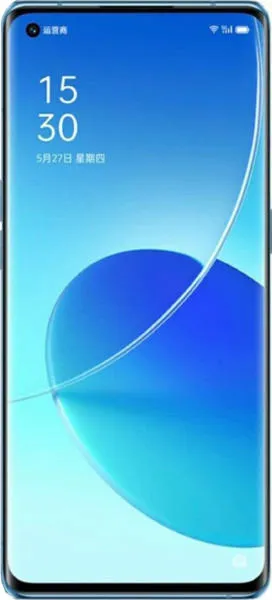
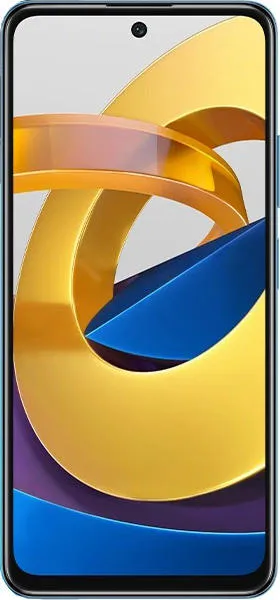
Oppo Reno6 5G vs Xiaomi Poco M4 Pro: A Practical Comparison
(June 2021 vs March 2022 Mid-Rangers)
1. Specifications Breakdown
Design & Build
| Feature | Oppo Reno6 5G | Xiaomi Poco M4 Pro | Real-World Implications |
|---|---|---|---|
| Dimensions | 156.8 × 72.1 × 7.6 mm | 159.9 × 73.9 × 8.1 mm | Poco M4 Pro is slightly larger/heavier, but both are pocket-friendly. |
| Weight | 182g | 179.5g | Negligible difference in handfeel. |
| Screen Protection | Gorilla Glass 5 | Gorilla Glass 3 | Reno6 5G has better scratch/drop resistance. |
Takeaway: Oppo’s slimmer profile and tougher glass give it a durability edge, though both feel similar in daily use.
Display
| Feature | Oppo Reno6 5G | Xiaomi Poco M4 Pro | Real-World Implications |
|---|---|---|---|
| Panel | 6.43" AMOLED | 6.43" AMOLED | Identical size/tech – vibrant colors, deep blacks. |
| Brightness | 1100 nits | Not specified | Reno6 5G is far more visible in sunlight. |
| Refresh Rate | 90Hz | 90Hz | Smooth scrolling in apps/games on both. |
Takeaway: The Reno6 5G’s superior brightness makes it the clear winner for outdoor use.
Performance
| Feature | Oppo Reno6 5G | Xiaomi Poco M4 Pro | Real-World Implications |
|---|---|---|---|
| Chipset | Dimensity 900 (6nm) | Helio G96 (12nm) | Reno6 5G’s newer 6nm chip is more efficient. |
| AnTuTu Score | 815,200 | 438,700 | Reno6 5G is ~86% faster (better for gaming/multitasking). |
| GPU | Mali-G68 MC4 | Mali-G57 MC2 | Reno6 5G handles high-settings gaming better. |
Takeaway: The Reno6 5G is a powerhouse for its price, while the Poco M4 Pro lags in raw performance.
Camera
(Main Camera Comparison)
| Feature | Oppo Reno6 5G | Xiaomi Poco M4 Pro | Real-World Implications |
|-----------------------|-----------------------------|---------------------------|---------------------------------------------|
| Main Sensor | Sony IMX766 (1/1.56") | Samsung S5KJN1 (1/2.76") | Reno6 5G captures 48% more light (better low-light shots). |
| Ultrawide | 16MP (Sony IMX481) | 8MP (Sony IMX355) | Reno6 5G’s wider lens is sharper. |
| Selfie | 32MP (Sony IMX615) | 16MP (Omnivision OV16A10) | Oppo’s selfies are more detailed. |
| Video | 4K@30fps, OIS | 1080p@30fps | Reno6 5G is far better for vlogging. |
Takeaway: Oppo’s camera system is significantly more capable, especially in low light and video.
Battery & Charging
| Feature | Oppo Reno6 5G | Xiaomi Poco M4 Pro | Real-World Implications |
|---|---|---|---|
| Capacity | 4500mAh | 5000mAh | Poco M4 Pro lasts ~10-15% longer per charge. |
| Charging Speed | 65W | 33W | Reno6 5G charges 2x faster (0-100% in ~30 mins). |
Takeaway: Poco wins for battery life, but Oppo’s blazing charging compensates well.
2. Key Insights
Oppo Reno6 5G Wins At:
✅ Performance (86% faster CPU/GPU)
✅ Camera (larger sensors, 4K video, better selfies)
✅ Display Brightness (1100 nits for sunlight visibility)
✅ Fast Charging (65W vs 33W)
Xiaomi Poco M4 Pro Wins At:
✅ Battery Life (5000mAh vs 4500mAh)
✅ Audio (Dolby Atmos, stereo speakers)
✅ Newer Release (9 months fresher)
Trade-Offs:
- The Poco M4 Pro’s processor is weaker, leading to slower app/game performance.
- Oppo’s camera hardware is superior, but Poco’s Night Mode software helps compensate.
3. User Profiles & Recommendations
Choose the Oppo Reno6 5G If You:
- Prioritize speed (gaming, multitasking).
- Take lots of photos/videos (better sensors, 4K support).
- Want premium features (brighter screen, faster charging).
Choose the Xiaomi Poco M4 Pro If You:
- Need longer battery life (5000mAh vs 4500mAh).
- Love media consumption (Dolby Atmos speakers).
- Prefer newer software updates (released in 2022).
4. Buying Decision Framework
Ask Yourself:
- Do I care more about camera quality or battery life?
- Is gaming/performance critical, or is basic usage enough?
- Do I charge my phone quickly or need all-day endurance?
Scenarios:
- Photographers/Vloggers: Reno6 5G (better cameras, 4K video).
- Casual Users: Poco M4 Pro (cheaper, longer battery).
- Power Users: Reno6 5G (faster chipset, 65W charging).
Final Verdict: Which Would I Choose?
Winner: Oppo Reno6 5G
Despite being older, the Reno6 5G outclasses the Poco M4 Pro in performance, cameras, display brightness, and charging speed—key areas that impact daily use. The Poco M4 Pro’s battery and audio are nice, but not enough to offset Oppo’s superior hardware.
Exception: If you only care about battery life or media playback, the Poco M4 Pro is a fair budget pick. But for most users, the Reno6 5G delivers far better value per dollar.
