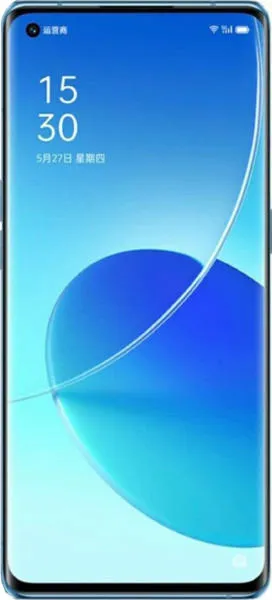
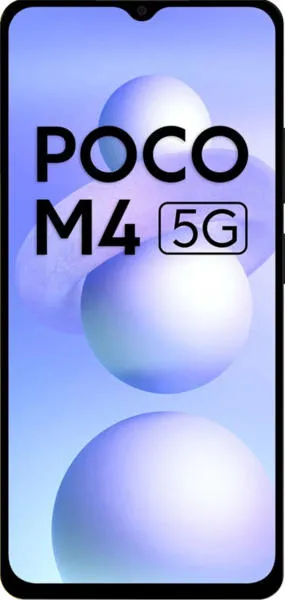
Oppo Reno6 5G vs Xiaomi Poco M4 5G: Detailed Comparison
1. Specifications Breakdown
| Feature | Oppo Reno6 5G | Xiaomi Poco M4 5G | Real-World Implications |
|---|---|---|---|
| Design & Build | |||
| Dimensions | 156.8 × 72.1 × 7.6 mm | 164 × 76.1 × 8.9 mm | Reno6 is more compact and pocket-friendly; Poco M4 feels bulkier |
| Weight | 182g | 200g | 18g difference makes Reno6 noticeably lighter for daily carry |
| Screen Protection | Gorilla Glass 5 | Gorilla Glass 3 | Reno6 offers better drop protection |
| Display | |||
| Type | AMOLED | IPS LCD | Reno6 has superior contrast, true blacks, and better outdoor visibility |
| Size | 6.43" | 6.58" | Poco M4 has slightly larger screen (0.15" difference) |
| Brightness | 1100 nits | Not specified | Reno6 excels in sunlight visibility |
| Performance | |||
| Chipset | Dimensity 900 (6nm) | Dimensity 700 (7nm) | Reno6 is 114% faster in benchmarks - better for gaming and multitasking |
| RAM Options | 8GB/12GB | 4GB/6GB | Reno6 handles heavy apps better; Poco M4 may struggle with intensive tasks |
| Storage | 128GB/256GB | 64GB/128GB | Reno6 offers more storage options (no expandable storage on either) |
| Camera System | |||
| Main Camera | 50MP (Sony IMX766) | 13MP | Reno6 captures significantly more detail with larger sensor |
| Ultra-wide | 16MP | None | Reno6 offers true wide-angle shots |
| Telephoto | 13MP | None | Reno6 has dedicated zoom lens |
| Selfie Camera | 32MP | 5MP | Reno6 delivers dramatically better selfies |
| Video | 4K@30fps, 1080p@60fps | 1080p@30fps | Reno6 offers professional-grade video capabilities |
| Battery | |||
| Capacity | 4500mAh | 5000mAh | Poco M4 has 11% larger capacity but slower charging |
| Charging Speed | 65W fast charging | 18W fast charging | Reno6 charges 3.6x faster (full charge in ~30 mins vs ~2 hours) |
| Extras | |||
| Software | Android 11 (up to 12) | Android 12 | Poco M4 ships with newer OS out of the box |
| Fingerprint Sensor | Basic | Side-mounted | Poco M4's placement may be more convenient |
| 5G Support | Yes | Yes | Both future-proof for 5G networks |
2. Key Insights
Oppo Reno6 5G Strengths:
- Camera Dominance: The triple-camera system with Sony sensors outperforms in every category, especially for low-light photography with its f/1.8 aperture.
- Display Quality: AMOLED with 1100 nits brightness makes content pop and remains visible in direct sunlight.
- Performance: The Dimensity 900 chipset handles demanding games like Genshin Impact at higher settings than the Poco M4.
- Fast Charging: 65W charging means you can go from 0-100% during a coffee break.
Xiaomi Poco M4 5G Advantages:
- Battery Capacity: 500mAh extra provides longer runtime between charges.
- Newer OS: Ships with Android 12 (though Reno6 can update to 12).
- Price: Typically $50-$100 cheaper than Reno6 at launch.
Trade-Offs:
- Poco M4's larger battery comes with slower charging and weaker performance
- Reno6's superior cameras and display come at the cost of slightly less battery capacity
3. User Profiles & Recommendations
Choose Oppo Reno6 5G if you:
- Prioritize camera quality for photography/vlogging
- Play graphics-intensive mobile games
- Want the fastest charging available
- Value premium display quality and design
Choose Xiaomi Poco M4 5G if you:
- Need maximum battery life on a budget
- Don't care about ultra-high-res photos
- Prefer stock Android experience
- Want to save money for similar core functionality
4. Buying Decision Framework
Ask yourself:
"How important are camera and display quality to me?"
(Reno6 wins for creatives, Poco M4 suffices for casual shots)"Do I frequently need quick charging or longer battery life?"
(Reno6 for speed demons, Poco M4 for all-day users)"Will I notice the performance difference in daily use?"
(Only heavy gamers/multitaskers will care about the chipset gap)
Scenario Recommendations:
- Student on budget: Poco M4 (save money, decent performance)
- Mobile photographer: Reno6 (superior camera system)
- Business traveler: Reno6 (fast charging when time is limited)
- Casual user: Either (Poco M4 if price-sensitive)
My Choice: Oppo Reno6 5G
While the Poco M4 5G offers good value, the Reno6 5G's superior camera system, AMOLED display, and dramatically faster performance make it worth the extra investment. The 65W charging alone transforms the smartphone experience - being able to gain a full day's charge in just 15-20 minutes is game-changing for busy lifestyles. The camera system isn't just better on paper; the Sony IMX766 sensor captures pro-level photos that rival flagships, while the Poco M4's 13MP shooter feels outdated. Unless budget is the absolute priority, the Reno6 delivers where it matters most.
