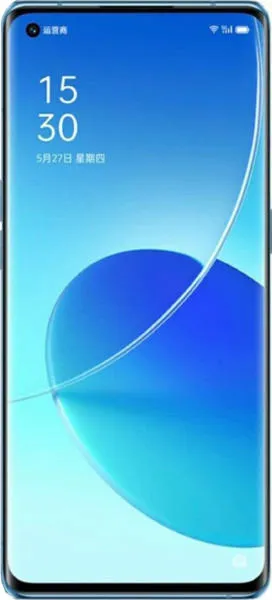
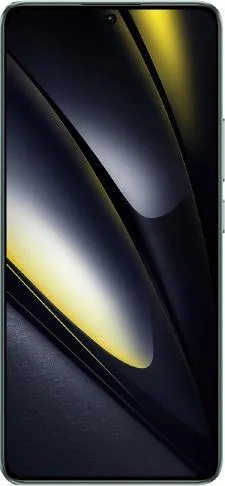
Oppo Reno6 5G vs Xiaomi Poco F6: In-Depth Comparison
1. Specifications Breakdown
Design & Build
| Feature | Oppo Reno6 5G | Xiaomi Poco F6 | Real-World Implications |
|---|---|---|---|
| Dimensions | 156.8 × 72.1 × 7.6 mm | 160.5 × 74.5 × 8 mm | The Poco F6 is slightly larger, but both remain pocket-friendly. The Reno6 5G is marginally thinner. |
| Weight | 182g | 179g | Negligible difference—both feel light and comfortable. |
| Screen Protection | Gorilla Glass 5 | Gorilla Glass Victus | Poco F6 has superior drop and scratch resistance. |
Display
| Feature | Oppo Reno6 5G | Xiaomi Poco F6 | Real-World Implications |
|---|---|---|---|
| Size | 6.43" AMOLED | 6.67" AMOLED | Poco F6 offers a larger screen for media and gaming. |
| Resolution | 1080x2400 (409 PPI) | 1220x2712 (446 PPI) | Poco F6 has sharper text and better clarity. |
| Refresh Rate | 90Hz | 120Hz | Smoother scrolling and animations on Poco F6. |
| Peak Brightness | 1100 nits | 2400 nits | Poco F6 is far better in sunlight—easier to read outdoors. |
Performance
| Feature | Oppo Reno6 5G | Xiaomi Poco F6 | Real-World Implications |
|---|---|---|---|
| Chipset | Dimensity 900 (6nm) | Snapdragon 8s Gen 3 (4nm) | Poco F6 has 88% higher benchmark scores—better for gaming and multitasking. |
| RAM/Storage | 8/12GB + 128/256GB | 8/12GB + 256/512GB | Poco F6 offers more storage, great for power users. |
| GPU | Mali-G68 MC4 | Adreno 735 | Poco F6 has superior gaming performance. |
Battery & Charging
| Feature | Oppo Reno6 5G | Xiaomi Poco F6 | Real-World Implications |
|---|---|---|---|
| Capacity | 4500mAh | 5000mAh | Poco F6 lasts longer—ideal for heavy users. |
| Charging Speed | 65W (Li-Polymer) | 90W (Li-Ion) | Poco F6 charges significantly faster (~20 mins for 0-100%). |
Camera
| Feature | Oppo Reno6 5G | Xiaomi Poco F6 | Real-World Implications |
|---|---|---|---|
| Main Sensor | 50MP (IMX766, f/1.8, 1/1.56") | 50MP (IMX882, f/1.6, 1/2") | Reno6 has a larger sensor (better low light), Poco F6 has wider aperture (brighter shots). |
| Ultrawide | 16MP (f/2.2) | 8MP (f/2.2) | Reno6 offers higher resolution for wider shots. |
| Telephoto | 13MP (f/2.4) | None | Reno6 has a dedicated telephoto lens—better zoom. |
| Selfie | 32MP (f/2.4) | 20MP (f/2.0) | Reno6 has higher resolution; Poco F6 has a wider aperture for better low-light selfies. |
| Video Capabilities | 4K@30fps, 1080p@60fps | 4K@60fps, 8K video | Poco F6 supports higher-quality video recording. |
2. Key Insights
✅ Oppo Reno6 5G Strengths
✔ Superior camera versatility – Telephoto lens and higher-res ultrawide.
✔ Better selfie camera – 32MP vs 20MP.
✔ More compact design – Slightly thinner and easier to handle.
✅ Xiaomi Poco F6 Strengths
✔ Faster performance – Snapdragon 8s Gen 3 demolishes the Dimensity 900 in speed.
✔ Better display – Higher resolution, 120Hz refresh rate, and 2400 nits brightness.
✔ Longer battery life & faster charging – 5000mAh + 90W charging vs 4500mAh + 65W.
✔ More storage – Up to 512GB vs Reno6’s max 256GB.
⚠️ Trade-offs
- Poco F6 lacks a telephoto lens, so zoom shots won’t be as sharp as Reno6.
- Reno6’s older chipset may struggle with heavy gaming in 2-3 years.
3. User Profiles & Recommendations
Who Should Buy the Oppo Reno6 5G?
📸 Camera-first users – If you care about zoom and high-res selfies.
✋ Compact phone lovers – Slightly thinner and easier to grip.
Who Should Buy the Xiaomi Poco F6?
🎮 Gamers & power users – 88% faster performance, smoother display.
📺 Media consumers – Bigger, brighter, higher-res screen.
🔋 Battery life chasers – 5000mAh + 90W charging means less downtime.
4. Buying Decision Framework
3 Key Questions to Decide:
- Do you prioritize camera versatility or raw performance?
- Reno6 for cameras, Poco F6 for speed.
- Do you need the best display and battery life?
- Poco F6 wins easily in both.
- Will you keep the phone for 3+ years?
- Poco F6’s newer chipset will age better.
Scenario-Based Picks:
- Best for Gaming & Performance? → Poco F6
- Best for Photography? → Reno6 5G
- Best All-Rounder? → Poco F6 (better display, battery, and future-proofing).
Final Verdict: Which Would I Choose?
🏆 Xiaomi Poco F6
While the Oppo Reno6 5G has a better camera setup (especially for zoom and selfies), the Poco F6 is the clear winner overall due to:
✅ Far superior performance (Snapdragon 8s Gen 3)
✅ Brighter, smoother 120Hz display
✅ Longer battery life + 90W fast charging
✅ More storage (512GB option)
If you’re not a photography fanatic, the Poco F6 is the smarter buy. It’s faster, more future-proof, and has better battery life—making it a better daily driver for most users.
❓ Would I consider the Reno6 5G? Only if zoom photography and compact size are top priorities—but the Poco F6’s advantages make it the better value in 2024.
