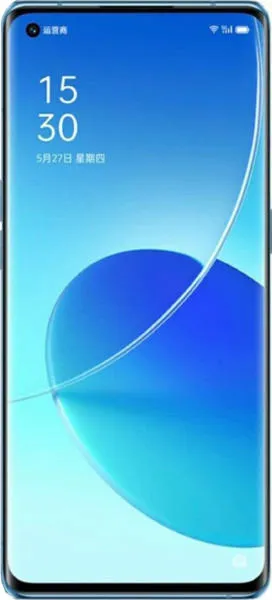
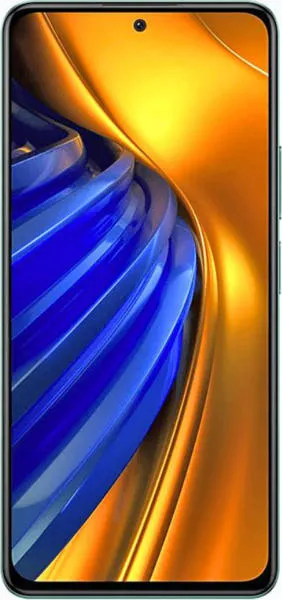
Oppo Reno6 5G vs. Xiaomi Poco F4: A Practical Showdown
Two compelling mid-range phones with distinct strengths—here's how they stack up in real-world use.
1. Specifications Breakdown
Design & Build
| Feature | Oppo Reno6 5G | Xiaomi Poco F4 | Real-World Implications |
|---|---|---|---|
| Dimensions | 156.8 × 72.1 × 7.6 mm | 163.2 × 76 × 7.7 mm | Poco F4 is bulkier (taller, wider), making one-handed use slightly harder. Reno6 is more pocket-friendly. |
| Weight | 182g | 195g | Reno6 feels noticeably lighter for prolonged use. |
| Protection | Gorilla Glass 5 | Gorilla Glass 5 | Equal durability for daily scratches and drops. |
Display
| Feature | Oppo Reno6 5G | Xiaomi Poco F4 | Real-World Implications |
|---|---|---|---|
| Size | 6.43" AMOLED | 6.67" AMOLED | Poco F4 offers a larger screen for media, but Reno6 is more compact. |
| Refresh Rate | 90Hz | 120Hz | Smoother scrolling/gaming on Poco F4. |
| Brightness | 1100 nits | 1300 nits | Poco F4 is better in direct sunlight. |
Performance
| Feature | Oppo Reno6 5G | Xiaomi Poco F4 | Real-World Implications |
|---|---|---|---|
| Chipset | Dimensity 900 | Snapdragon 870 | Snapdragon 870 (Poco F4) is ~15% faster in CPU/GPU tasks. Better for gaming and multitasking. |
| RAM Options | 8/12GB | 6/8/12GB | Reno6 starts at 8GB (better for mid-tier users). Poco F4 has a cheaper 6GB entry option. |
| Storage | 128/256GB (no SD) | 128/256GB (no SD) | Same storage, but no expandability on either. |
Camera
| Feature | Oppo Reno6 5G | Xiaomi Poco F4 | Real-World Implications |
|---|---|---|---|
| Main Sensor | 50MP (IMX766) | 64MP (OV64B) | Reno6’s larger sensor (1/1.56") captures more light, better low-light shots. Poco F4’s higher resolution is good for cropping. |
| Ultrawide | 16MP | 8MP | Reno6’s ultrawide is sharper (higher res + larger sensor). |
| Telephoto | 13MP (2x zoom) | None | Reno6 wins for zoom shots. |
| Selfie | 32MP | 20MP | Reno6 better for selfie lovers (sharper details). |
| Video | 4K@60fps | 4K@60fps, 960fps Slo-mo | Poco F4 offers superior slow-motion (960fps vs. 240fps). |
Battery & Charging
| Feature | Oppo Reno6 5G | Xiaomi Poco F4 | Real-World Implications |
|---|---|---|---|
| Capacity | 4500mAh | 4500mAh | Similar endurance, but Poco F4’s Snapdragon may be slightly more efficient. |
| Charging | 65W | 67W | Nearly identical fast charging (~35 min for full charge). |
Extras
| Feature | Oppo Reno6 5G | Xiaomi Poco F4 | Real-World Implications |
|---|---|---|---|
| Audio | Basic | Stereo, Dolby Atmos | Poco F4 has better speakers and audio tuning. |
| Security | Basic fingerprint | Side-mounted sensor | Poco F4’s side sensor is faster and more ergonomic. |
2. Key Insights
Oppo Reno6 5G Wins If:
✅ You prioritize cameras – Better low-light performance, telephoto lens, and superior selfies.
✅ You want a lighter, more compact phone – Easier one-handed use.
✅ You like a cleaner software experience – ColorOS is smoother than MIUI for some users.
Xiaomi Poco F4 Wins If:
🔥 You want better performance – Snapdragon 870 is faster for gaming and heavy apps.
🔥 You watch a lot of content – Bigger, brighter 120Hz display with better audio.
🔥 You need faster security – Side-mounted fingerprint is quicker than under-display.
Trade-Offs:
- Poco F4 has worse ultrawide and no zoom lens.
- Reno6 has slower performance for demanding games.
3. User Recommendations
For Casual Users (Social Media, Photos, Light Gaming)
👉 Oppo Reno6 5G – Better cameras, lighter design, and enough power for everyday use.
For Gamers & Power Users
👉 Xiaomi Poco F4 – Faster chipset, 120Hz display, and better cooling (Snapdragon handles heat better).
For Media Lovers (Netflix, YouTube, Music)
👉 Xiaomi Poco F4 – Bigger screen, Dolby Atmos, and stereo speakers.
4. Buying Decision Framework
Ask Yourself:
- Do I care more about camera quality or raw performance?
- Camera → Reno6 5G
- Performance → Poco F4
- Will I notice the difference between 90Hz and 120Hz?
- If yes, Poco F4 is the better pick.
- Do I prefer a compact phone or a larger display?
- Compact → Reno6 / Bigger screen → Poco F4.
Scenario-Based Picks:
- Travel Photography? → Reno6 5G (better zoom & low-light shots).
- Mobile Gaming? → Poco F4 (Snapdragon 870 + faster refresh rate).
- Budget-Conscious? → Poco F4 (usually cheaper for similar storage).
Final Verdict: Which Would I Choose?
I’d pick the Xiaomi Poco F4.
Why?
- Faster chipset (Snapdragon 870 vs. Dimensity 900) means better longevity.
- 120Hz AMOLED feels smoother for scrolling and gaming.
- Dolby Atmos stereo speakers make a huge difference in media consumption.
While the Reno6 5G has a better camera system, the Poco F4’s performance, display, and audio make it a more versatile daily driver—especially if you care about gaming or streaming.
But if you're a photography enthusiast?
The Reno6 5G is the clear winner with its superior sensors and zoom lens.
Bottom Line:
- Performance & media → Poco F4.
- Cameras & portability → Reno6 5G.
Which matters more to you? 🚀
