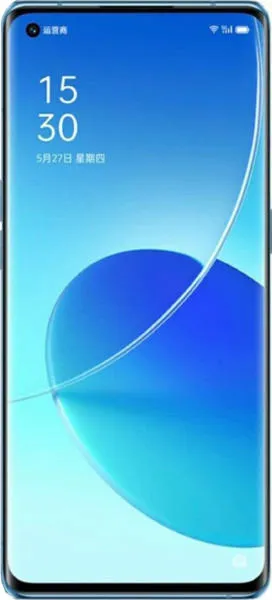
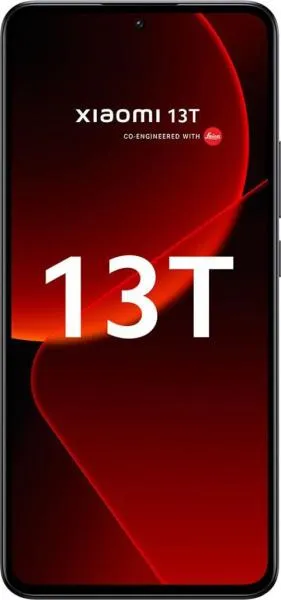
Oppo Reno6 5G vs. Xiaomi 13T: A Detailed Comparison
Choosing between these two phones comes down to priorities—whether you favor a refined, compact design with strong selfie performance (Oppo Reno6 5G) or a powerhouse display, camera, and battery (Xiaomi 13T). Below, we break down the specs, real-world implications, and which users each device best serves.
1. Specifications Breakdown
| Feature | Oppo Reno6 5G | Xiaomi 13T | Real-World Implications |
|---|---|---|---|
| Design | 156.8 × 72.1 × 7.6 mm, 182g | 162.2 × 75.7 × 8.5 mm, 193g | Reno6 5G is slimmer and lighter, better for one-handed use. 13T is bulkier but sturdier. |
| Display | 6.43" AMOLED, 90Hz, 1100 nits peak | 6.67" AMOLED, 144Hz, 2600 nits peak | 13T wins: Smoother scrolling (144Hz), far brighter for outdoor use (2600 nits vs. 1100 nits). |
| Performance | Dimensity 900 (6nm), Antutu 815K | Dimensity 8200 Ultra (4nm), Antutu 905K | 13T has ~11% better performance—noticeable in gaming & multitasking. |
| Battery | 4500mAh, 65W charging | 5000mAh, 67W charging | 13T lasts longer (11% bigger battery) and charges slightly faster. |
| Main Camera | 50MP (f/1.8, IMX766, 1/1.56") | 50MP (f/1.9, IMX707, 1/1.28") | 13T has a larger sensor (better low light), Oppo has a wider aperture. |
| Selfie Camera | 32MP (f/2.4) | 20MP (f/2.2) | Reno6 5G better for selfies (higher resolution, though Xiaomi has a slightly wider aperture). |
| Storage | 128GB/256GB (no expandable) | 256GB/512GB (no expandable) | 13T offers more base storage, better for power users. |
| Audio | Basic mono speaker | Dolby Atmos, stereo speakers | 13T far superior—richer, louder sound. |
| Software | Android 11 (upgradable to 12) | Android 13 (upgradable to 17) | 13T has longer update support and newer OS out of the box. |
2. Key Insights
Oppo Reno6 5G Strengths
✅ More compact & lightweight – Easier to handle for smaller hands.
✅ Better selfie camera – 32MP vs. 20MP, great for vloggers.
✅ Wider aperture main camera (f/1.8) – Slightly better in low light.
Xiaomi 13T Strengths
✅ Brighter, smoother 144Hz display – Far superior for gaming & media.
✅ Better battery life (5000mAh) – More endurance for heavy users.
✅ Superior chipset (Dimensity 8200 Ultra) – Faster and more efficient.
✅ Dolby Atmos stereo speakers – Much better audio experience.
✅ Longer software support – Android 13 + 4 years of updates.
Trade-Offs
- Reno6 5G has an older chip and weaker battery life.
- 13T is bulkier and lacks a dedicated macro/telephoto lens (Oppo has a 2MP macro).
3. User Profiles & Recommendations
Who Should Buy the Oppo Reno6 5G?
- Selfie lovers (higher-res front camera).
- Compact phone fans (slimmer, lighter).
- Casual users who don’t need top-tier performance.
Who Should Buy the Xiaomi 13T?
- Gamers & media consumers (144Hz, brighter screen, better speakers).
- Photography enthusiasts (larger main sensor, better dynamic range).
- Power users (better CPU, battery, and long-term software support).
4. Buying Decision Framework
Ask yourself:
- Do I prioritize portability or screen quality? (Reno6 = compact, 13T = best display)
- Am I a heavy multitasker/gamer? (13T wins for performance.)
- Do I take a lot of selfies? (Reno6 has the edge here.)
Scenario-Based Recommendations
- Best for gaming/media: Xiaomi 13T (144Hz, stereo speakers, better chip).
- Best for travel/light use: Oppo Reno6 5G (compact, good cameras).
Final Verdict: Which Would I Choose?
I’d pick the Xiaomi 13T.
While the Oppo Reno6 5G is a solid mid-ranger, the Xiaomi 13T’s superior display (144Hz, 2600 nits), larger battery, better chipset, and longer software support make it the better long-term investment. The Dolby Atmos speakers and bigger sensor camera are just icing on the cake.
However, if you prioritize compact design and selfies, the Oppo Reno6 5G is still a great choice—just be aware of its aging hardware.
Bottom Line:
- For most users → Xiaomi 13T (better value, future-proofing).
- For selfie/compact fans → Oppo Reno6 5G (but expect compromises).
