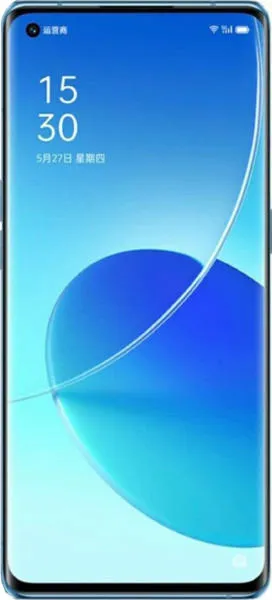
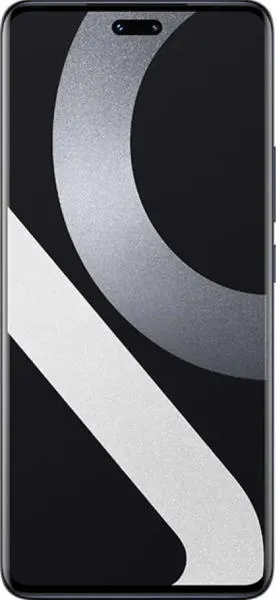
Oppo Reno6 5G vs Xiaomi 13 Lite: A Practical Showdown
Let's break down these two mid-range contenders to see which one deserves your hard-earned cash. Both phones sit in a competitive price bracket, but their strengths cater to different user priorities. Here's what really matters.
1. Specifications Breakdown
Design & Build
| Feature | Oppo Reno6 5G | Xiaomi 13 Lite | Real-World Implications |
|---|---|---|---|
| Dimensions | 156.8 × 72.1 × 7.6 mm | 159.2 × 72.7 × 7.2 mm | Xiaomi is slightly taller but thinner, making it slightly more pocket-friendly. |
| Weight | 182g | 171g | Xiaomi is 11g lighter—noticeable in prolonged use. |
| Screen Protection | Gorilla Glass 5 | Gorilla Glass 5 | Equal durability against scratches. |
Verdict: The Xiaomi 13 Lite is slightly sleeker and lighter, but both feel premium.
Display
| Feature | Oppo Reno6 5G | Xiaomi 13 Lite | Real-World Implications |
|---|---|---|---|
| Size | 6.43" AMOLED | 6.55" AMOLED | Xiaomi offers a marginally larger screen—better for media. |
| Refresh Rate | 90Hz | 120Hz | Smoother scrolling and animations on Xiaomi. |
| Brightness | 1100 nits | 1000 nits | Oppo is slightly better in sunlight. |
| Resolution & PPI | 1080x2400 (409 PPI) | 1080x2400 (402 PPI) | Both equally sharp; no noticeable difference. |
Verdict: Xiaomi wins with a smoother 120Hz display, but Oppo is brighter for outdoor use.
Performance
| Feature | Oppo Reno6 5G | Xiaomi 13 Lite | Real-World Implications |
|---|---|---|---|
| Chipset | Mediatek Dimensity 900 (6nm) | Snapdragon 7 Gen 1 (4nm) | Snapdragon is newer, more efficient. |
| Antutu Score | 815,200 | 691,765 | Oppo benchmarks higher—slightly better raw performance. |
| RAM Options | 8GB / 12GB | 8GB | More RAM on Oppo helps with multitasking. |
| GPU | Mali-G68 MC4 | Adreno 644 | Adreno slightly better optimized for gaming. |
Verdict: Oppo has a stronger benchmark score, but Xiaomi’s newer chipset might age better.
Camera
| Feature | Oppo Reno6 5G | Xiaomi 13 Lite | Real-World Implications |
|---|---|---|---|
| Main Camera | 50MP (Sony IMX766) | 50MP (Sony IMX766) | Same sensor—expect similar daylight performance. |
| Ultrawide | 16MP (Sony IMX481) | 8MP | Oppo’s ultrawide has double the resolution. |
| Telephoto | 13MP (2x optical zoom) | ❌ None | Oppo wins for zoom shots. |
| Selfie | 32MP (Sony IMX615) | 32MP (Samsung S5K3D2) | Xiaomi has a slightly wider aperture (better low light). |
| Video | 4K@30fps, 1080p@60fps | 4K@30fps, 1080p@120fps | Xiaomi offers smoother slow-motion (960fps). |
Verdict: Oppo has a better camera setup (ultrawide + telephoto), while Xiaomi excels in selfies and video flexibility.
Battery & Charging
| Feature | Oppo Reno6 5G | Xiaomi 13 Lite | Real-World Implications |
|---|---|---|---|
| Capacity | 4500mAh | 4500mAh | Same battery life; expect all-day use. |
| Charging | 65W | 67W | Xiaomi charges marginally faster. |
Verdict: Negligible difference—both charge rapidly.
2. Key Insights
Oppo Reno6 5G Strengths
✅ Better camera versatility – Telephoto and higher-res ultrawide.
✅ Higher benchmark performance – Slightly faster in heavy tasks.
✅ Brighter screen – Easier outdoor visibility.
Xiaomi 13 Lite Strengths
🔥 120Hz display – Smoother scrolling and gaming.
🔥 Newer chipset – Snapdragon 7 Gen 1 should age better.
🔥 Better selfies & video – Wider aperture front cam, higher slow-mo fps.
Trade-Offs
- Oppo lacks 120Hz, which is a big deal for gamers.
- Xiaomi lacks a telephoto lens, hurting zoom shots.
3. User Profiles & Recommendations
For Photography Enthusiasts → Oppo Reno6 5G
- The telephoto and ultrawide make it a better shooter.
For Gamers & Media Consumers → Xiaomi 13 Lite
- 120Hz + Snapdragon = smoother gameplay.
For Everyday Users → Depends on Priorities
- Oppo if you value battery and cameras.
- Xiaomi if you prefer a smoother UI and newer hardware.
4. Buying Decision Framework
Ask Yourself:
1️⃣ Do I take a lot of zoom/ultrawide shots? → Oppo.
2️⃣ Do I prioritize smooth scrolling/gaming? → Xiaomi.
3️⃣ Do I care more about long-term software support? → Xiaomi (newer chipset).
Scenario Recommendations:
- Travel Photography? → Oppo (better zoom & ultrawide).
- Social Media & TikTok? → Xiaomi (better selfies & slow-mo).
- Future-Proofing? → Xiaomi (newer chipset).
Final Verdict: What Would I Choose?
Winner: Xiaomi 13 Lite 🏆
Why?
- 120Hz display makes daily use feel premium.
- Snapdragon 7 Gen 1 will likely get longer software support.
- Better selfies and video features—great for content creators.
The Oppo Reno6 5G is a strong runner-up if you really need that telephoto lens, but for most users, the Xiaomi 13 Lite offers a better overall experience with its smoother screen, newer chip, and improved front camera.
