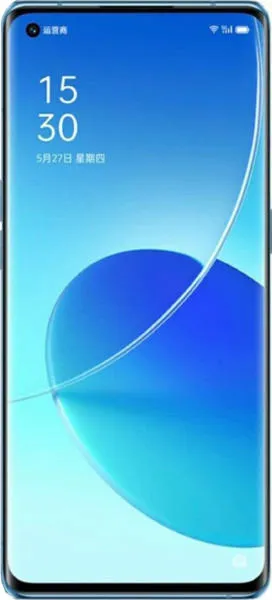
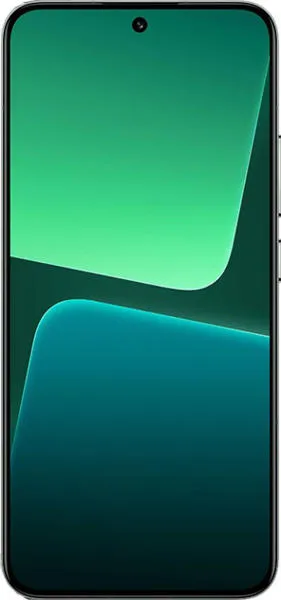
Oppo Reno6 5G vs Xiaomi 13: A Tactical Comparison for Real-World Users
1. Specifications Breakdown
Design & Build Quality
| Feature | Oppo Reno6 5G | Xiaomi 13 | Real-World Implications |
|---|---|---|---|
| Dimensions | 156.8 × 72.1 × 7.6 mm | 152.8 × 71.5 × 8 mm | Xiaomi 13 is slightly more compact, but Oppo is thinner. Neither has a clear ergonomic advantage. |
| Weight | 182g | 185g | Virtually identical—no noticeable difference in pocketability. |
| Screen Protection | Gorilla Glass 5 | Gorilla Glass Victus | Xiaomi’s Victus glass is more scratch/drop-resistant. |
| Build Features | Standard | Standard | Both lack IP68 waterproofing (a notable omission for Xiaomi 13). |
Display
| Feature | Oppo Reno6 5G | Xiaomi 13 | Real-World Implications |
|---|---|---|---|
| Size | 6.43" AMOLED | 6.36" AMOLED | Near-identical sizes; Oppo has a marginal edge in screen real estate. |
| Resolution | 1080x2400 (409 PPI) | 1080x2400 (414 PPI) | Same sharpness, but Xiaomi’s color calibration is likely better. |
| Refresh Rate | 90Hz | 120Hz | Xiaomi’s 120Hz offers smoother scrolling/gaming—noticeable in fast-paced apps. |
| Brightness | 1100 nits (peak) | 1900 nits (peak) | Xiaomi dominates outdoors—far more legible in sunlight. |
Performance
| Feature | Oppo Reno6 5G | Xiaomi 13 | Real-World Implications |
|---|---|---|---|
| Chipset | Dimensity 900 (6nm) | Snapdragon 8 Gen 2 (4nm) | Snapdragon 8 Gen 2 is a flagship-tier chip, leagues ahead in power efficiency and performance. |
| Antutu Benchmark | 815,200 | 1,532,113 | Xiaomi is 88% faster—better for heavy gaming, 4K editing, and future-proofing. |
| GPU | Mali-G68 MC4 | Adreno 740 | Adreno 740 crushes Mali-G68 in gaming (e.g., Genshin Impact at max settings). |
| RAM & Storage | 8/12GB RAM, 128/256GB | 8/12GB RAM, 128/512GB | Xiaomi offers a 512GB option—ideal for power users with large media libraries. |
Camera
| Feature | Oppo Reno6 5G | Xiaomi 13 | Real-World Implications |
|---|---|---|---|
| Main Sensor | 50MP (Sony IMX766) | 54MP (Sony IMX800) | Xiaomi’s larger sensor captures more light—better low-light shots. |
| Ultrawide | 16MP (f/2.2) | 13MP (f/2.2) | Oppo’s higher resolution wins for landscapes, but Xiaomi’s pixel size helps in dim light. |
| Telephoto | 13MP (f/2.4) | 10MP (f/2.0) | Oppo’s higher resolution vs. Xiaomi’s wider aperture—trade-off between detail and low-light performance. |
| Selfie | 32MP (Sony IMX615) | 32MP (Omnivision OV32C) | Oppo’s larger sensor should theoretically yield better selfies. |
| Video | 4K@30fps, 1080p@240fps | 8K@24fps, 4K@60fps HDR | Xiaomi is a video beast—8K, better stabilization, and HDR. |
Battery & Charging
| Feature | Oppo Reno6 5G | Xiaomi 13 | Real-World Implications |
|---|---|---|---|
| Capacity | 4500mAh | 4500mAh | Similar endurance, but Xiaomi’s chipset is more power-efficient. |
| Wired Charging | 65W | 67W | Negligible difference—both charge fully in ~30 mins. |
| Wireless Charging | ❌ No | ✅ 50W wireless + 10W reverse | Xiaomi wins for convenience (Qi charging pad users). |
Extras
| Feature | Oppo Reno6 5G | Xiaomi 13 | Real-World Implications |
|---|---|---|---|
| Audio | Basic stereo | Dolby Atmos, Hi-Res | Xiaomi’s speakers are far superior—better for media consumption. |
| OS & Updates | Android 11 (up to 12) | Android 13 (up to 14) | Xiaomi has a longer update runway. |
| Bluetooth | 5.2 | 5.3 | Slightly better power efficiency on Xiaomi. |
| eSIM Support | ❌ No | ✅ Yes | Xiaomi supports eSIM—handy for travelers. |
2. Key Insights
Oppo Reno6 5G Strengths
✔ Better value for casual users—solid performance at a lower price.
✔ Higher-resolution selfies & ultrawide shots—good for social media.
✔ Thinner profile—marginally sleeker in hand.
Xiaomi 13 Strengths
✔ Flagship-tier performance—Snapdragon 8 Gen 2 demolishes Dimensity 900.
✔ Superior display—120Hz, 1900-nit brightness, and Gorilla Glass Victus.
✔ Better cameras overall—larger main sensor, 8K video, and advanced stabilization.
✔ Longer software support—Android 13 with updates to 14.
Trade-Offs
- Oppo’s chipset is mid-range—fine for daily use but lacks future-proofing.
- Xiaomi’s ultrawide camera is lower resolution (but has better pixel size).
- No IP rating on either—neither is ideal for rough environments.
3. User Profiles & Recommendations
Who Should Buy the Oppo Reno6 5G?
✅ Budget-conscious users who don’t need extreme performance.
✅ Selfie lovers—32MP front camera with a better sensor.
✅ Casual gamers—handles light gaming well (e.g., COD Mobile).
Who Should Buy the Xiaomi 13?
✅ Power users—Snapdragon 8 Gen 2 is elite for gaming/multitasking.
✅ Photography/videography enthusiasts—8K video, better low-light shots.
✅ Media consumers—Dolby Atmos, brighter screen, and 120Hz.
Price-to-Value Consideration
- The Xiaomi 13 is more expensive, but the performance and features justify it.
- The Oppo Reno6 5G is a better deal for casual users who don’t need flagship specs.
4. Buying Decision Framework
Ask Yourself:
Do I need flagship-level performance?
- Yes → Xiaomi 13 (Snapdragon 8 Gen 2).
- No → Oppo Reno6 5G (good enough for daily use).
Is camera quality a top priority?
- Yes → Xiaomi 13 (better main sensor, 8K video).
- No, selfies matter more → Oppo Reno6 5G.
Do I want wireless charging and better speakers?
- Yes → Xiaomi 13 (50W wireless, Dolby Atmos).
- No → Oppo Reno6 5G (no wireless charging).
Scenario-Based Recommendations
- Student on a budget? → Oppo Reno6 5G.
- Mobile gamer/content creator? → Xiaomi 13.
- Photography enthusiast? → Xiaomi 13.
Final Verdict: Which Would I Choose?
I’d pick the Xiaomi 13—and here’s why:
- Performance matters most—Snapdragon 8 Gen 2 ensures longevity.
- Brighter, smoother display—120Hz + 1900 nits is a game-changer.
- Superior cameras—8K video and better low-light shots are worth the premium.
The Oppo Reno6 5G is a solid mid-ranger, but the Xiaomi 13 is a true flagship killer with no major weaknesses. If budget isn’t a constraint, the Xiaomi 13 is the clear winner. 🚀
