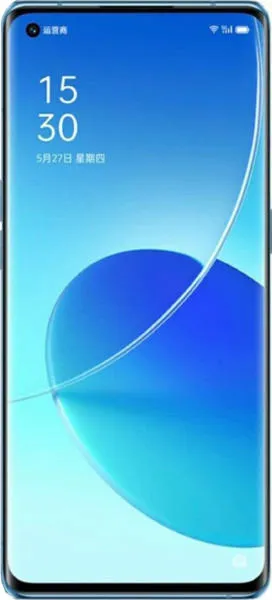
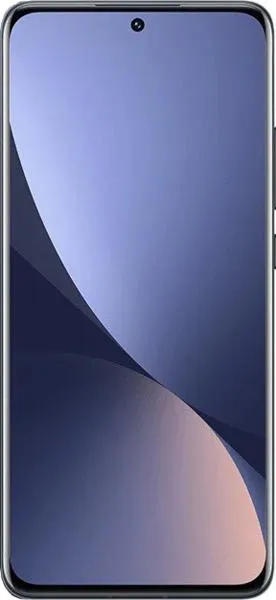
Oppo Reno6 5G vs. Xiaomi 12X: A Practical Face-Off
Two capable mid-range phones with distinct strengths—one excels in camera versatility, the other in performance and display smoothness. Here’s how they compare in real-world use.
1. Specifications Breakdown
Design & Build
| Feature | Oppo Reno6 5G | Xiaomi 12X | Real-World Implications |
|---|---|---|---|
| Dimensions | 156.8 × 72.1 × 7.6 mm | 152.7 × 69.9 × 8.2 mm | Xiaomi is more compact, Oppo slightly slimmer. |
| Weight | 182g | 176g | Xiaomi feels lighter in hand. |
| Screen Protection | Gorilla Glass 5 | Gorilla Glass Victus | Xiaomi has superior drop/scratch resistance. |
Key Insight: The Xiaomi 12X is better for pocketability and durability, while the Oppo has a marginally sleeker profile.
Display
| Feature | Oppo Reno6 5G | Xiaomi 12X | Real-World Implications |
|---|---|---|---|
| Size | 6.43" AMOLED | 6.28" AMOLED | Oppo offers slightly more screen real estate. |
| Refresh Rate | 90Hz | 120Hz | Xiaomi feels smoother in scrolling/gaming. |
| Brightness | 1100 nits | 1100 nits | Both excellent for outdoor visibility. |
Key Insight: If fluidity matters (gaming, UI navigation), Xiaomi’s 120Hz display wins. Oppo’s larger screen benefits media consumption.
Performance
| Feature | Oppo Reno6 5G | Xiaomi 12X | Real-World Implications |
|---|---|---|---|
| Chipset | Dimensity 900 (6nm) | Snapdragon 870 5G (7nm) | Snapdragon 870 is more refined for gaming. |
| Antutu Score | ~815K | ~815K | Near-identical synthetic performance. |
| GPU | Mali-G68 MC4 | Adreno 650 | Adreno 650 better optimized for games. |
Key Insight: Despite similar benchmark scores, Xiaomi’s Snapdragon chip offers better real-world stability and game support.
Camera
| Feature | Oppo Reno6 5G | Xiaomi 12X | Real-World Implications |
|---|---|---|---|
| Main Camera | 50MP (f/1.8, Sony IMX766) | 50MP (f/1.88, Sony IMX766) | Oppo’s wider aperture helps in low light. |
| Ultrawide | 16MP (f/2.2) | 13MP (f/2.4) | Oppo’s ultrawide is sharper. |
| Telephoto | 13MP (2x zoom) | None | Oppo has an edge for zoom shots. |
| Selfie | 32MP (f/2.4, larger sensor) | 32MP (f/2.45, smaller sensor) | Oppo captures more detail. |
| Video | 4K@60fps | 8K@24fps, better stabilization | Xiaomi wins for videography. |
Key Insight: Oppo is the better all-round camera phone (zoom, ultrawide, selfies), while Xiaomi excels in video recording.
Battery & Charging
| Feature | Oppo Reno6 5G | Xiaomi 12X | Real-World Implications |
|---|---|---|---|
| Capacity | 4500mAh | 4500mAh | Similar endurance. |
| Charging | 65W | 67W | Both charge fully in ~30-40 mins. |
| Audio | Basic | Dolby Atmos, Stereo Speakers | Xiaomi’s audio is far superior. |
Key Insight: Battery life is a tie, but Xiaomi offers a better multimedia experience with superior speakers.
2. Key Insights & Trade-Offs
Oppo Reno6 5G Strengths
✔ Better camera versatility (telephoto, ultrawide, selfies)
✔ Larger display (better for videos/multitasking)
✔ Slightly slimmer build
Xiaomi 12X Strengths
✔ Smoother 120Hz display (better for gaming/UI)
✔ Superior video recording (8K, better stabilization)
✔ Stronger chipset (Snapdragon 870 more reliable long-term)
✔ Better speakers & audio (Dolby Atmos, stereo)
Trade-Offs
- Oppo lacks the fluid 120Hz screen and premium audio of the Xiaomi.
- Xiaomi lacks a telephoto lens, which limits zoom capabilities.
3. Who Should Buy Which Phone?
Choose the Oppo Reno6 5G if you:
- Prioritize camera versatility (zoom, ultrawide, selfies).
- Prefer a larger screen for media consumption.
- Don’t care about high refresh rates or top-tier speakers.
Choose the Xiaomi 12X if you:
- Want smoother performance (120Hz, Snapdragon 870).
- Need better video recording (8K, stabilization).
- Value premium audio (Dolby Atmos, stereo speakers).
4. Buying Decision Framework
Ask yourself:
- Do I care more about camera flexibility or display smoothness?
- Oppo for cameras, Xiaomi for fluidity.
- Is video recording important to me?
- Xiaomi’s 8K and stabilization win.
- Do I prioritize speakers and multimedia?
- Xiaomi’s Dolby Atmos and stereo setup are superior.
Scenario-Based Recommendations
- Gamer/Media Consumer? → Xiaomi 12X (120Hz, better chipset, speakers).
- Photography Enthusiast? → Oppo Reno6 5G (telephoto, better selfies).
Final Verdict: Which Would I Choose?
I’d pick the Xiaomi 12X.
The 120Hz display, Snapdragon 870, and superior audio make it the better all-rounder for long-term use. While the Oppo has a slight camera advantage, Xiaomi’s 8K video, smoother UI, and gaming performance tip the scales. If cameras are your absolute priority, the Reno6 5G is a strong alternative—but for most users, the Xiaomi 12X delivers a more balanced experience.
