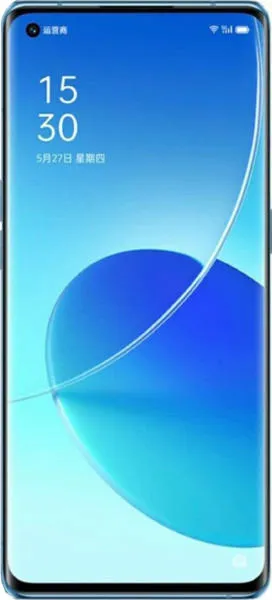
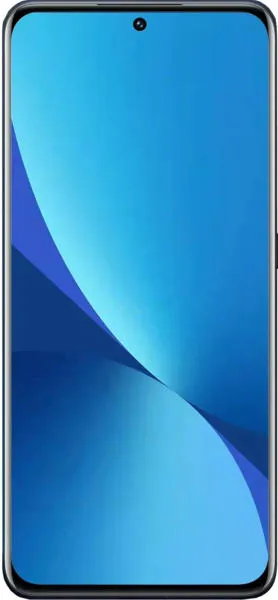
Here’s a structured comparison between the Oppo Reno6 5G and Xiaomi 12, focusing on real-world usability and practical trade-offs:
1. Specifications Breakdown
Design & Build
| Feature | Oppo Reno6 5G | Xiaomi 12 | Real-World Implications |
|---|
| Dimensions | 156.8 × 72.1 × 7.6 mm | 152.7 × 69.9 × 8.2 mm | Oppo is taller/wider, Xiaomi is thicker but more compact. Xiaomi’s smaller footprint improves one-handed use. |
| Weight | 182g | 179g | Negligible difference in hand feel. |
| Screen Protection | Gorilla Glass 5 | Gorilla Glass Victus | Xiaomi’s Victus offers better drop/scratch resistance. |
Display
| Feature | Oppo Reno6 5G | Xiaomi 12 | Real-World Implications |
|---|
| Size | 6.43" AMOLED | 6.28" AMOLED | Oppo’s larger screen is better for media, Xiaomi’s compact size aids portability. |
| Refresh Rate | 90Hz | 120Hz | Xiaomi feels smoother in scrolling/gaming. |
| Brightness | 1100 nits | 1100 nits | Identical peak brightness for outdoor use. |
Performance
| Feature | Oppo Reno6 5G | Xiaomi 12 | Real-World Implications |
|---|
| Chipset | Dimensity 900 (6nm) | Snapdragon 8 Gen 1 (4nm) | Snapdragon 8 Gen 1 is 41% faster (Antutu: 1.15M vs 815K). Better for gaming/heavy multitasking. |
| GPU | Mali-G68 MC4 | Adreno 730 | Xiaomi’s GPU outperforms in graphics-heavy tasks (e.g., Genshin Impact). |
Camera
| Feature | Oppo Reno6 5G | Xiaomi 12 | Real-World Implications |
|---|
| Main Camera | 50MP (f/1.8, IMX766) | 50MP (f/1.88, IMX766) | Similar hardware, but Xiaomi’s 8K video and superior stabilization stand out. |
| Ultrawide | 16MP (f/2.2) | 13MP (f/2.4) | Oppo’s wider aperture and resolution win for landscapes. |
| Telephoto | 13MP (2x optical zoom) | None | Oppo offers better zoom versatility. |
| Selfie | 32MP (larger sensor) | 32MP (smaller sensor) | Oppo’s selfie camera captures more detail. |
| Video Features | 4K@60fps | 8K@24fps, 1080p@960fps | Xiaomi excels for pro-grade video, slow-mo. |
Battery & Charging
| Feature | Oppo Reno6 5G | Xiaomi 12 | Real-World Implications |
|---|
| Capacity | 4500mAh | 4500mAh | Similar endurance. |
| Charging | 65W wired | 67W wired + 50W wireless | Xiaomi’s wireless charging is a major convenience boost. |
| Extras | None | Reverse charging | Xiaomi can power other devices (e.g., earbuds). |
Software & Extras
- OS: Xiaomi 12 launches with Android 12 (newer than Oppo’s Android 11).
- Audio: Xiaomi has Dolby Atmos, stereo speakers (Oppo lacks these).
- Sensors: Xiaomi adds a compass and ultrasonic proximity sensor (better for AR/navigation).
2. Key Insights
Oppo Reno6 5G Strengths
- Better camera versatility: Telephoto lens + ultrawide with wider aperture.
- Larger display: 6.43" vs 6.28" (better for media consumption).
- Superior selfies: Larger sensor captures more detail.
Xiaomi 12 Strengths
- Flagship performance: Snapdragon 8 Gen 1 dominates for gaming/multitasking.
- Premium features: 120Hz display, wireless charging, Gorilla Glass Victus.
- Video prowess: 8K recording and advanced stabilization.
Trade-Offs
- Oppo’s camera system is more flexible, but Xiaomi’s computational photography (e.g., Night Mode) may compensate.
- Xiaomi’s compact size is handy, but Oppo’s larger screen appeals to media lovers.
3. User Profiles & Recommendations
Choose Oppo Reno6 5G if you:
- Prioritize camera versatility (telephoto/ultrawide).
- Prefer a larger screen for videos/gaming.
- Want better selfies.
Choose Xiaomi 12 if you:
- Need raw performance (gaming, heavy apps).
- Value premium extras (wireless charging, 120Hz, stereo speakers).
- Shoot high-end video (8K, slow-mo).
4. Buying Decision Framework
Ask yourself:
- Do I care more about camera flexibility or performance?
- Oppo for cameras, Xiaomi for speed.
- Will I use wireless charging or 120Hz often?
- Is video quality or zoom more important?
- Xiaomi for video, Oppo for zoom.
Scenario-Based Picks
- Content Creators: Xiaomi (8K video, stabilization).
- Gamers: Xiaomi (Snapdragon 8 Gen 1, 120Hz).
- Travel Photographers: Oppo (telephoto + ultrawide).
Final Verdict: Which Would I Choose?
I’d pick the Xiaomi 12 for its flagship performance, 120Hz display, and wireless charging. While the Oppo Reno6 5G has a slight edge in camera versatility, the Xiaomi’s overall package (better chipset, video capabilities, and future-proofing with Android 12) makes it the more compelling choice for most users.
However, if zoom photography or selfies are your top priority, the Oppo Reno6 5G is still a strong contender—just be prepared to sacrifice raw power and premium features.