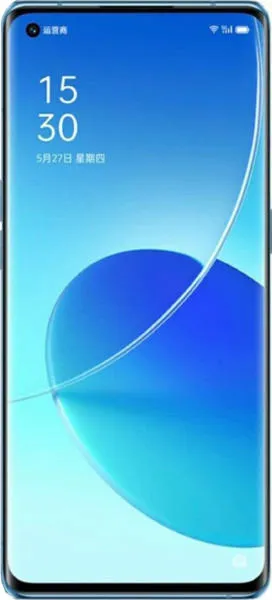
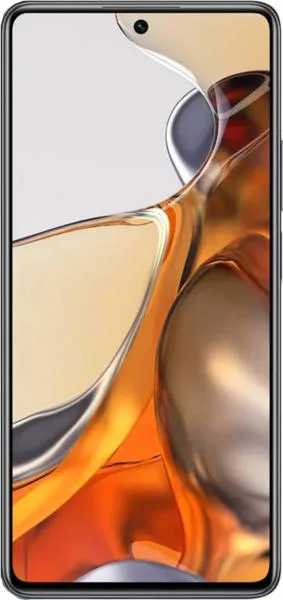
Oppo Reno6 5G vs. Xiaomi 11T Pro: A Detailed Comparison
Both the Oppo Reno6 5G and Xiaomi 11T Pro are upper mid-range contenders with distinct advantages. Let’s analyze how they stack up in key areas—design, display, performance, camera, and battery—and determine which phone fits different user needs best.
1. Specifications Breakdown
Design & Build
| Feature | Oppo Reno6 5G | Xiaomi 11T Pro | Real-World Implications |
|---|---|---|---|
| Dimensions | 156.8 × 72.1 × 7.6mm | 164.1 × 76.9 × 8.8mm | Oppo is slimmer and lighter (182g vs. 204g), easier for one-handed use. Xiaomi is bulkier but has better protection (Gorilla Glass Victus). |
| Weight | 182g | 204g | Oppo wins for comfort, Xiaomi for durability. |
| Screen Protection | Gorilla Glass 5 | Gorilla Glass Victus | Xiaomi is more resistant to drops and scratches. |
Takeaway:
- Oppo Reno6 5G is the better choice for portability and sleekness.
- Xiaomi 11T Pro is sturdier and more durable.
Display
| Feature | Oppo Reno6 5G | Xiaomi 11T Pro | Real-World Implications |
|---|---|---|---|
| Size | 6.43" AMOLED | 6.67" AMOLED | Xiaomi offers more screen real estate for media, gaming. |
| Refresh Rate | 90Hz | 120Hz | Xiaomi feels smoother in scrolling and gaming. |
| Brightness | 1100 nits | 1000 nits | Oppo is slightly better in direct sunlight. |
| Resolution | 1080x2400 (409 PPI) | 1080x2400 (395 PPI) | Nearly identical sharpness. |
Takeaway:
- Xiaomi 11T Pro wins for fluidity (120Hz) and size.
- Oppo Reno6 5G has slightly better outdoor visibility.
Performance
| Feature | Oppo Reno6 5G | Xiaomi 11T Pro | Real-World Implications |
|---|---|---|---|
| Chipset | Dimensity 900 (6nm) | Snapdragon 888 (5nm) | Xiaomi is superior—better CPU/GPU, efficiency. |
| AnTuTu Score | 815,200 | 863,489 | Xiaomi is ~6% faster (noticeable in heavy tasks). |
| GPU | Mali-G68 MC4 | Adreno 660 | Xiaomi better for gaming (higher-end GPU). |
Takeaway:
- Xiaomi 11T Pro is the clear winner for performance, gaming, and future-proofing.
Cameras
| Feature | Oppo Reno6 5G | Xiaomi 11T Pro | Real-World Implications |
|---|---|---|---|
| Main Camera | 50MP (f/1.8, IMX766) | 108MP (f/1.75, HM2) | Xiaomi has higher resolution, but Oppo has better low-light performance (larger pixels). |
| Ultrawide | 16MP (f/2.2) | 8MP (f/2.2) | Oppo has a sharper ultrawide. |
| Telephoto | 13MP (2x zoom) | None | Oppo wins with better zoom. |
| Selfie | 32MP (f/2.4) | 16MP (f/2.45) | Oppo has a sharper front camera. |
| Video Recording | 4K@60fps | 8K@30fps, 4K@60fps | Xiaomi offers higher-end video. |
Takeaway:
- Oppo Reno6 5G is better for selfies, zoom, and ultrawide shots.
- Xiaomi 11T Pro excels in high-res photos (108MP) and video (8K).
Battery & Charging
| Feature | Oppo Reno6 5G | Xiaomi 11T Pro | Real-World Implications |
|---|---|---|---|
| Capacity | 4500mAh | 5000mAh | Xiaomi lasts longer. |
| Charging Speed | 65W | 120W | Xiaomi charges twice as fast (0-100% in ~17 min). |
Takeaway:
- Xiaomi 11T Pro destroys Oppo in battery life and charging speed.
2. Key Insights
Oppo Reno6 5G Strengths:
✅ Better selfie & zoom camera (32MP front, 13MP telephoto)
✅ Lighter, more compact design (easier to handle)
✅ Brighter display (better outdoors)
Xiaomi 11T Pro Strengths:
✅ Faster performance (Snapdragon 888 > Dimensity 900)
✅ Superior battery life & 120W charging (game-changer)
✅ Higher refresh rate (120Hz) & better gaming
✅ 8K video recording, 108MP camera
Trade-Offs:
- Oppo’s chipset is weaker—not ideal for heavy gaming.
- Xiaomi is bulkier—less comfortable in small hands.
3. User Profiles & Recommendations
Best for Oppo Reno6 5G:
✔ Selfie lovers (better front camera)
✔ Those who prefer a compact, lightweight phone
✔ Casual users who don’t need extreme performance
Best for Xiaomi 11T Pro:
✔ Gamers & power users (faster chipset, 120Hz)
✔ People who hate charging (120W fast charging!)
✔ High-res photography & videography (108MP, 8K video)
4. Buying Decision Framework
3 Questions to Help You Decide:
- Do you prioritize performance & battery life? → Xiaomi 11T Pro
- Do you want better selfies & a more compact phone? → Oppo Reno6 5G
- Do you care about fast charging (120W vs. 65W)? → Xiaomi 11T Pro
Scenario-Based Recommendations:
- Gamer/Content Creator? → Xiaomi 11T Pro (Snapdragon 888, 120Hz, 8K video)
- Social Media/Travel? → Oppo Reno6 5G (better selfies & zoom)
- Battery life is king? → Xiaomi 11T Pro (5000mAh + 120W charging)
Final Verdict: Which Would I Choose?
I’d pick the Xiaomi 11T Pro.
Why?
- Performance matters: Snapdragon 888 is way ahead of Dimensity 900.
- 120Hz + 120W charging is a killer combo.
- Better battery life and 8K video future-proof it longer.
The Oppo Reno6 5G is great for selfies and portability, but the Xiaomi 11T Pro’s raw power, charging speed, and display make it the better all-rounder.
Your turn—what matters more to you? 🚀
