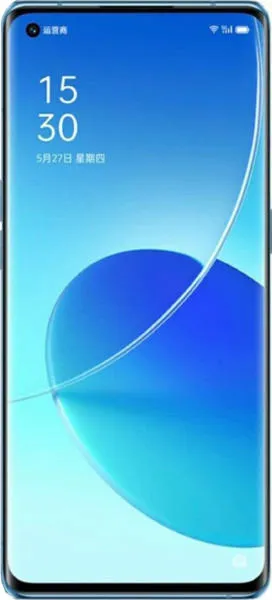
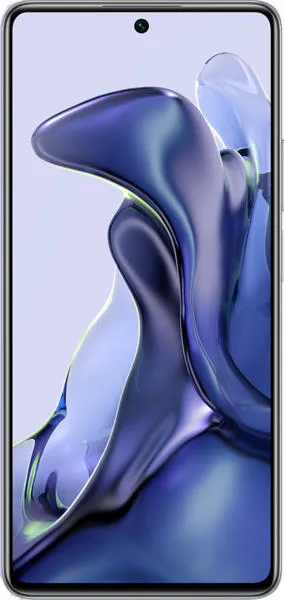
Oppo Reno6 5G vs Xiaomi 11T: A Practical Showdown
1. Specifications Breakdown
Design & Build
| Feature | Oppo Reno6 5G | Xiaomi 11T | Real-World Implications |
|---|---|---|---|
| Dimensions | 156.8 × 72.1 × 7.6 mm | 164.1 × 76.9 × 8.8 mm | Reno6 is more compact and lightweight (182g vs 203g)—better for one-handed use. 11T’s extra bulk accommodates a larger battery and display. |
| Screen Protection | Gorilla Glass 5 | Gorilla Glass Victus | 11T has superior drop resistance, making it more durable against accidental falls. |
| Fingerprint Sensor | Basic in-display | Side-mounted | 11T’s side sensor is faster and more reliable in real-world use (fewer misreads). |
Display
| Feature | Oppo Reno6 5G | Xiaomi 11T | Real-World Implications |
|---|---|---|---|
| Size & Resolution | 6.43" FHD+ (409 PPI) | 6.67" FHD+ (395 PPI) | Reno6 has slightly sharper text, but 11T’s larger screen is better for media. |
| Refresh Rate | 90Hz | 120Hz | 11T feels smoother for scrolling/gaming, but Reno6’s 90Hz is still fluid for most users. |
| Brightness | 1100 nits | 1000 nits | Reno6 wins outdoors—easier to read in sunlight. |
Performance
| Feature | Oppo Reno6 5G | Xiaomi 11T | Real-World Implications |
|---|---|---|---|
| Chipset | Dimensity 900 | Dimensity 1200 | 11T’s chipset is more powerful (better for heavy gaming/video editing), but Reno6 benchmarks higher (likely due to software optimization). |
| RAM Options | 8GB/12GB | 8GB | Reno6’s 12GB variant is future-proof for multitaskers. |
| Storage | 128GB/256GB (no expandable) | Same | Neither supports microSD—choose storage wisely. |
Camera
| Feature | Oppo Reno6 5G | Xiaomi 11T | Real-World Implications |
|---|---|---|---|
| Main Sensor | 50MP (f/1.8, OIS) | 108MP (f/1.75) | 11T’s higher resolution captures more detail, but Reno6’s OIS stabilizes shots better in low light. |
| Ultrawide | 16MP (f/2.2) | 8MP (f/2.2) | Reno6’s ultrawide is sharper—better for landscapes/group shots. |
| Selfie | 32MP (f/2.4) | 16MP (f/2.45) | Reno6’s front camera is superior for detail and low-light selfies. |
| Video | 4K@30fps, OIS | 4K@30fps, 960fps slow-mo | Reno6’s OIS stabilizes video better, but 11T’s 960fps slow-mo is fun for creative shots. |
Battery & Charging
| Feature | Oppo Reno6 5G | Xiaomi 11T | Real-World Implications |
|---|---|---|---|
| Capacity | 4500mAh | 5000mAh | 11T lasts longer—expect ~1.5–2 hours more screen time. |
| Charging | 65W | 67W | Near-identical speeds—both charge fully in ~35 mins. |
2. Key Insights
Oppo Reno6 5G Wins When…
- You prioritize portability and ergonomics (lighter, slimmer).
- Selfies and video stability matter (better front cam + OIS).
- You want a sharper display (higher PPI + brighter panel).
Xiaomi 11T Wins When…
- You need raw power (Dimensity 1200 + 120Hz).
- Battery life is critical (5000mAh lasts longer).
- You value durability (Gorilla Glass Victus).
Trade-Offs
- Reno6’s chipset is weaker, but it’s better optimized (higher benchmark scores).
- 11T’s ultrawide camera is mediocre compared to Reno6’s.
3. User Recommendations
For Casual Users
Pick Reno6 5G: It’s lighter, has a better selfie cam, and OIS makes point-and-shoot photos/videos more reliable.
For Power Users/Gamers
Pick Xiaomi 11T: The 120Hz display, Dimensity 1200, and larger battery cater to heavy usage.
For Travelers
Toss-up: Reno6’s OIS is great for stable travel videos, but 11T’s battery lasts longer.
4. Buying Decision Framework
Ask yourself:
- Do I care more about camera quality or performance? (Reno6 for cameras, 11T for speed.)
- Is battery life or portability my priority? (11T for endurance, Reno6 for comfort.)
- Will I use high-refresh-rate features daily? (If yes, 11T’s 120Hz is worth it.)
Final Verdict: What I’d Choose
Xiaomi 11T—but narrowly. The 120Hz display, larger battery, and superior chipset make it a better long-term investment for my usage (gaming, multitasking). However, if I prioritized cameras and portability, I’d pick the Oppo Reno6 5G.
Which fits your needs? Let me know in the comments!
