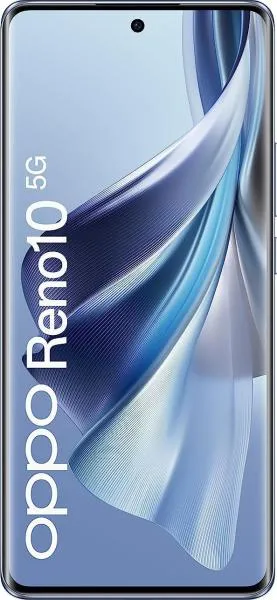
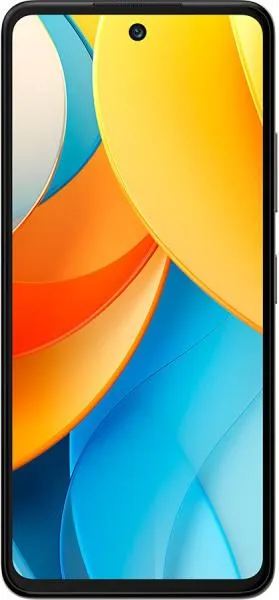
1. Specifications Comparison
| Feature | Oppo Reno10 | ZTE Blade V60 Design | Practical Impact |
|---|---|---|---|
| Design | |||
| Dimensions (mm) | 162.4 x 74.2 x 8 | 164.2 x 75.3 x 8.6 | The Reno10 is slightly smaller and thinner, making it potentially more pocketable. |
| Weight (g) | 185 | 198 | The Reno10 is noticeably lighter, improving one-handed use. |
| Fingerprint Sensor | Under-display | Side-mounted | Preference-based, but under-display is often considered more modern. |
| Display | |||
| Display Type | AMOLED, 1B colors, 120Hz, HDR10+ | IPS LCD, 90Hz | Reno10 offers superior contrast, deeper blacks, and more vibrant colors due to AMOLED technology. Its 120Hz refresh rate provides smoother animations compared to the V60's 90Hz. HDR10+ enables a wider dynamic range for compatible content. |
| Resolution | 1080 x 2412 | 720 x 1612 | The Reno10 has a significantly sharper display with higher pixel density (394 ppi vs 267 ppi), resulting in clearer text and images. |
| Peak Brightness (nits) | 950 | Not specified | The Reno10's higher peak brightness ensures better visibility in direct sunlight. The lack of this specification for the V60 Design makes a direct comparison impossible. |
| Performance | |||
| Chipset | Mediatek Dimensity 7050 (6nm) | Unisoc T606 (12nm) | The Dimensity 7050 is built on a more advanced process (6nm vs 12nm), likely resulting in better power efficiency and performance compared to the Unisoc T606. |
| CPU | Octa-core (2x2.6 GHz Cortex-A78 & 6x2.0 GHz Cortex-A55) | Octa-core (2x1.6 GHz Cortex-A75 & 6x1.6 GHz Cortex-A55) | The Reno10's CPU boasts faster clock speeds and more powerful Cortex-A78 cores, leading to significantly better performance in demanding tasks and multitasking. |
| GPU | Mali-G68 MC4 | Mali-G57 MP1 | The Reno10's GPU is more powerful, enabling smoother gaming and faster graphics rendering. |
| RAM | 8GB | 6GB | More RAM in the Reno10 allows for better multitasking and smoother performance with multiple apps open. |
| Storage | 256GB | 256GB | Both offer equal storage. |
| Camera | |||
| Video Capabilities | 4K@30fps, 1080p up to 480fps | 1080p@30fps | Reno10 offers significantly more versatile video recording options, including 4K resolution and higher frame rates for slow-motion capture. |
| Battery | |||
| Capacity | 5000 mAh | 5000 mAh | Both have the same battery capacity. However, the Reno10's more efficient chipset might translate to longer battery life in real-world usage. |
2. Key Differences Analysis
Oppo Reno10 Advantages:
- Superior Display: AMOLED technology, higher resolution, faster refresh rate, and HDR10+ provide a significantly better visual experience.
- Significantly Better Performance: More powerful chipset, CPU, and GPU result in smoother gaming, faster app loading, and better multitasking.
- More Versatile Camera: Offers 4K video recording and various slow-motion options.
- Lighter and Slightly Smaller: More comfortable for one-handed use and portability.
ZTE Blade V60 Design Advantages:
- Lower Price: Belongs to a lower price range, making it more budget-friendly.
Trade-offs:
- ZTE Blade V60 Design: Sacrifices display quality, performance, and camera features for affordability.
- Oppo Reno10: Higher price for premium features.
3. User Profiles & Recommendations
Oppo Reno10: Suitable for users who prioritize display quality, performance, camera features, and a premium feel. Ideal for gaming, media consumption, multitasking, and content creation.
ZTE Blade V60 Design: Best suited for budget-conscious users who prioritize basic functionality for everyday tasks like calling, texting, and web browsing. Less demanding users who are not heavy gamers or media consumers.
4. Decision Framework
Key Questions for Buyers:
- What is your budget? The Reno10 is a medium-priced phone while the V60 Design is a budget option.
- What are your primary smartphone usage patterns? (Gaming, media consumption, photography, basic communication)
- How important is display quality and overall performance?
Scenario-Based Recommendations:
- Limited Budget: ZTE Blade V60 Design
- Balanced Needs and Budget: Oppo Reno10
- Performance and Premium Features: Oppo Reno10
My Choice: Oppo Reno10
While the ZTE Blade V60 Design offers a budget-friendly option, the Oppo Reno10 provides a significantly better overall user experience. The superior display, performance, and camera capabilities outweigh the price difference for me. The Reno10's more efficient chipset, along with the same battery capacity as the V60 Design, suggests better battery life, further solidifying its value. The lighter and slightly smaller form factor also contributes to a more enjoyable daily usage experience. The compromises made by the V60 Design in key areas like display and performance would likely lead to frustration in the long run, making the Reno10 the better investment for a satisfying user experience. A sharper, more vibrant display and a smoother, more responsive performance are crucial for my usage, which includes media consumption, multitasking, and occasional gaming.
