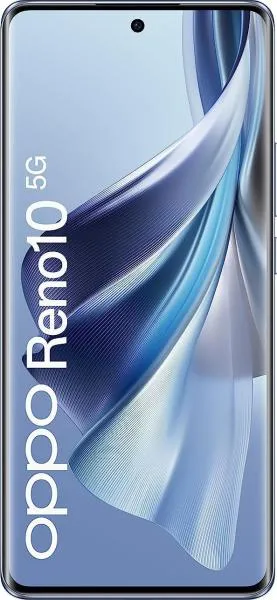

1. Specifications Comparison
| Feature | Oppo Reno10 | Xiaomi Redmi Note 13 Pro+ | Practical Impact |
|---|---|---|---|
| Design | |||
| Dimensions | 162.4 x 74.2 x 8 mm | 161.4 x 74.2 x 8.9 mm | Almost identical footprint, but the Redmi Note 13 Pro+ is slightly thicker. Negligible difference in daily use. |
| Weight | 185g | 199g | The Reno10 is noticeably lighter, improving one-handed use and reducing pocket fatigue. |
| Build Materials | Not specified | Not specified | Cannot compare without material information. |
| Display | |||
| Size | 6.7" | 6.67" | Negligible difference in screen real estate. |
| Type | AMOLED, 1B colors, 120Hz, HDR10+ | AMOLED, 68B colors, 120Hz, Dolby Vision, HDR10+ | Both offer smooth scrolling and vivid colors. The Redmi Note 13 Pro+'s 68B colors and Dolby Vision support might offer slightly better color accuracy and dynamic range in supported content. |
| Resolution | 1080 x 2412 | 1220 x 2712 | The Redmi Note 13 Pro+ has a sharper display (446 ppi vs 394 ppi), resulting in crisper text and images. |
| Peak Brightness | 950 nits | 1800 nits | The Redmi Note 13 Pro+ offers significantly higher peak brightness, ensuring better visibility in direct sunlight. |
| Performance | |||
| Chipset | Mediatek Dimensity 7050 (6 nm) | Mediatek Dimensity 7200 Ultra (4 nm) | The 7200 Ultra, built on a smaller node, is expected to provide better performance and power efficiency. Noticeable in demanding games and multitasking. |
| CPU | Octa-core (2x2.6 GHz Cortex-A78 & 6x2.0 GHz Cortex-A55) | Octa-core (2x2.8 GHz Cortex-A715 & 6x2.0 GHz Cortex-A510) | The 7200 Ultra uses newer architecture cores, likely resulting in faster processing speeds. |
| GPU | Mali-G68 MC4 | Mali-G610 MC4 | While both are Mali GPUs, architectural differences exist. Performance differences need further benchmarking data to assess accurately. |
| RAM/Storage | 256GB/8GB | 512GB/8GB RAM, 512GB/12GB RAM, 256GB/12GB RAM | Redmi offers more storage and RAM options, providing flexibility for users needing ample space and smoother multitasking with 12GB RAM. |
| Battery | |||
| Capacity | 5000 mAh | 5000 mAh | Same battery capacity. Real-world battery life will depend on software optimization and chipset efficiency. |
| Charging Speed | Not specified | Not specified | Cannot compare without charging speed information. |
| Software | |||
| OS | Android 13 | Android 13 | Both launch with the same OS version. |
| OS Max Version | 14 | 16 | The Redmi Note 13 Pro+ will receive longer software updates, ensuring security and feature upgrades for a longer period. |
| Camera | |||
| Rear Camera | Not specified | Not specified | Cannot compare without detailed camera specifications (sensor size, aperture, etc.). |
| Video | Up to 4K@30fps | Up to 4K@30fps | Both offer similar video recording resolutions. Practical differences may arise in stabilization quality and features, which cannot be assessed without further details. |
2. Key Differences Analysis
Oppo Reno10 Advantages:
- Lighter: More comfortable for extended use.
Xiaomi Redmi Note 13 Pro+ Advantages:
- Brighter Display: Excellent outdoor visibility.
- Sharper Display: Crisper visuals for media consumption.
- More Powerful Chipset: Smoother performance for demanding tasks and gaming.
- More RAM/Storage Options: Flexibility for power users.
- Longer Software Support: Future-proofed with longer updates.
3. User Profiles & Recommendations
Oppo Reno10: Users prioritizing a lightweight and comfortable phone for everyday tasks, social media, and casual photography.
Xiaomi Redmi Note 13 Pro+: Users who value performance, a bright and sharp display, ample storage, and longer software updates. Suitable for mobile gaming, media consumption, and demanding tasks.
4. Decision Framework
Key Questions:
- What is your budget? Both are mid-range, but specific pricing may vary.
- What are your performance needs? Gamers and power users will prefer the Redmi Note 13 Pro+.
- How important is software update longevity? The Redmi Note 13 Pro+ offers longer support.
My Choice: Xiaomi Redmi Note 13 Pro+
While the Oppo Reno10 offers a lighter design, the Xiaomi Redmi Note 13 Pro+ provides a significantly better overall package. Its superior display, more powerful processor, longer software support, and greater storage/RAM options make it a more compelling choice for long-term use. The slightly heavier weight is a minor trade-off for the substantial performance and feature gains. The longer software support also provides better value in the long run. I prioritize performance, a great screen, and future-proofing, making the Redmi Note 13 Pro+ the clear winner for me.
