1. Specifications Comparison
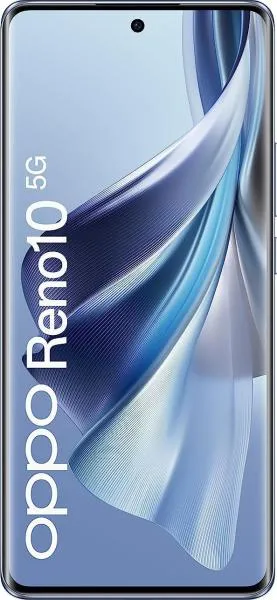
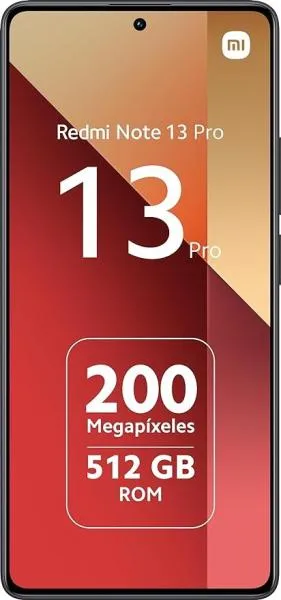
| Feature | Oppo Reno10 | Xiaomi Redmi Note 13 Pro 4G | Practical Impact |
|---|---|---|---|
| Design | |||
| Dimensions (mm) | 162.4 x 74.2 x 8 | 161.1 x 75 x 8 | Virtually identical in size and feel. |
| Weight (g) | 185 | 188 | Negligible weight difference. |
| Colors | Ice Blue, Silvery Grey | Midnight Black, Forest Green, Lavender Purple | More color options available with the Redmi. |
| Display | |||
| Size (inches) | 6.7 | 6.67 | Negligible size difference. |
| Type | AMOLED, 1B colors, 120Hz, HDR10+ | AMOLED, 1B colors, 120Hz | Both offer smooth, vibrant displays. Missing HDR information on the Redmi. |
| Peak Brightness (nits) | 950 | 1300 | Redmi offers significantly higher peak brightness, improving outdoor visibility. |
| Resolution | 1080 x 2412 | 1080 x 2400 | Nearly identical pixel density, resulting in similar sharpness. |
| Performance | |||
| Chipset | Mediatek Dimensity 7050 (6 nm) | Mediatek Helio G99 Ultra | Dimensity 7050 generally offers better performance in benchmarks, especially GPU. "Ultra" designation on the Helio G99 doesn't guarantee superior performance without further details. |
| CPU | Octa-core (2x2.6 GHz Cortex-A78 & 6x2.0 GHz Cortex-A55) | Octa-core (2x2.2 GHz Cortex-A76 & 6x2.0 GHz Cortex-A55) | Reno10 likely has a slight performance edge due to faster prime cores. |
| GPU | Mali-G68 MC4 | Mali-G57 MC2 | Reno10's GPU is significantly more powerful, leading to smoother gaming and faster graphics rendering. |
| RAM/Storage | 256GB/8GB RAM | 256GB/8GB RAM, 512GB/12GB RAM | Redmi offers a higher storage and RAM configuration option for power users. |
| Camera | |||
| Video Capabilities | 4K@30fps (EIS), various 1080p options with EIS | 1080p@30/60fps | Reno10 offers 4K video recording and more frame rate options with Electronic Image Stabilization (EIS). Missing detailed camera specs limits a thorough comparison. |
| Battery | |||
| Capacity (mAh) | 5000 | 5000 | Identical battery capacity. Real-world battery life depends on optimization and usage. |
| Software | |||
| OS | Android 13 | Android 13 | Both launch with Android 13. |
| Max OS Version | 14 | 16 | Redmi will receive longer software updates. |
| Other | |||
| NFC | Yes | Yes | Both support contactless payments. |
| Sensors | Accelerometer, gyro, proximity, compass, Fingerprint (under display) | Accelerometer, gyro, compass, Fingerprint (under display) | Reno10 has a proximity sensor, Redmi is missing a proximity sensor, which can impact calls and screen activation during use. Both have in-display fingerprint sensors. |
2. Key Differences Analysis
Oppo Reno10 Advantages:
- Superior GPU: Significantly better gaming and graphics performance.
- More Versatile Video Recording: 4K recording and various slow-motion options.
- Proximity sensor This allows for more reliable call management as the screen will automatically turn off when the phone is held to your ear.
Xiaomi Redmi Note 13 Pro 4G Advantages:
- Brighter Display: Better outdoor visibility.
- Longer Software Support: Will receive updates for a longer period.
- More Storage/RAM Option: A 512GB/12GB variant is available for demanding users.
3. User Profiles & Recommendations
Oppo Reno10: Users who prioritize gaming performance, video recording capabilities, and a smoother overall user experience.
Xiaomi Redmi Note 13 Pro 4G: Users who prioritize long-term software updates, bright outdoor display visibility, and need large storage capacity. Suitable for users on a tighter budget who don't require high-end gaming performance.
4. Decision Framework
Key Questions:
- Is gaming or video recording a priority? If yes, the Reno10's superior GPU and video features are significant.
- How important is long-term software support? The Redmi's longer update cycle offers better future-proofing.
- What's your budget and storage needs? The Redmi offers a higher storage/RAM option potentially at a lower price point.
My Choice: Oppo Reno10
While the Redmi Note 13 Pro 4G offers a brighter display and longer software support, the Oppo Reno10's significantly more powerful GPU and versatile video recording capabilities are decisive factors for me. I prioritize a smooth user experience and enjoy mobile gaming, making the Reno10's performance advantage crucial. The inclusion of a proximity sensor on the Reno10, while seemingly minor, significantly improves the reliability and user experience for phone calls. The lack of this basic sensor on the Redmi is a significant drawback. While the Redmi's longer software update commitment is attractive, the performance difference in daily use and the lack of a proximity sensor outweigh that advantage for my personal needs.
