1. Specifications Comparison
| Feature | Oppo Reno10 | Xiaomi Redmi Note 13 Pro | Practical Impact |
|---|---|---|---|
| Design | |||
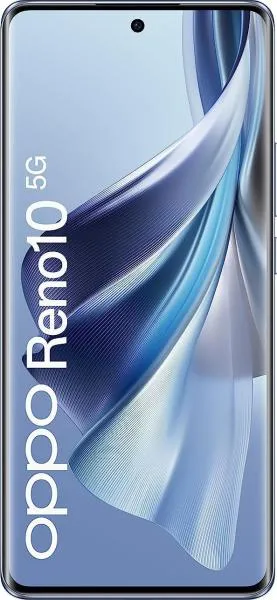
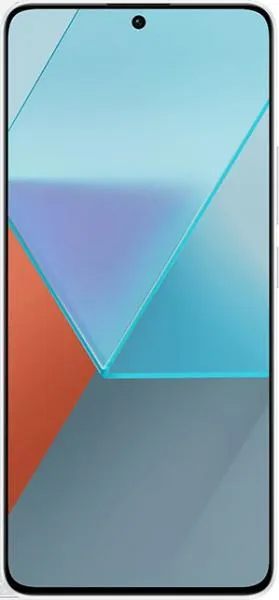
| Dimensions | 162.4 x 74.2 x 8 mm | 161.2 x 74.2 x 8 mm | Virtually identical in size and feel. |
| Weight | 185g | 187g | Negligible weight difference. |
| Build | Not specified | Not specified | Build quality cannot be compared without further information. |
| Display | |||
| Size | 6.7" | 6.67" | Negligible size difference. |
| Type | AMOLED, 1B colors, 120Hz, HDR10+ | AMOLED, 68B colors, 120Hz, Dolby Vision | Both offer smooth scrolling and vibrant colors. Redmi Note 13 Pro boasts a wider color gamut (68B vs 1B) and Dolby Vision, resulting in potentially more accurate and richer colors, especially noticeable in HDR content. |
| Resolution | 1080 x 2412 | 1220 x 2712 | Redmi Note 13 Pro has a sharper display (446 ppi vs 394 ppi), resulting in clearer text and images. |
| Peak Brightness | 950 nits | 1800 nits | Redmi Note 13 Pro offers significantly higher peak brightness, ensuring better visibility in direct sunlight. |
| Performance | |||
| Chipset | Mediatek Dimensity 7050 (6nm) | Qualcomm Snapdragon 7s Gen 2 (4nm) | Snapdragon 7s Gen 2 is generally considered more powerful and efficient due to its 4nm process. This translates to smoother multitasking, better gaming performance, and potentially longer battery life. |
| CPU | Octa-core (2x2.6 GHz Cortex-A78 & 6x2.0 GHz Cortex-A55) | Octa-core (4x2.40 GHz Cortex-A78 & 4x1.95 GHz Cortex-A55) | While clock speeds differ slightly, the architectural advantage of the Snapdragon chip likely results in better overall performance. |
| GPU | Mali-G68 MC4 | Adreno 710 | Adreno 710 generally offers better gaming performance compared to the Mali-G68 MC4. |
| RAM/Storage | 256GB/8GB RAM | 512GB/12GB RAM, 256GB/8GB RAM, 256GB/12GB RAM | Redmi Note 13 Pro offers more RAM and storage options, providing flexibility for users needing more space and smoother multitasking with demanding apps. |
| Battery | |||
| Capacity | 5000 mAh | 5100 mAh | Negligible difference in battery capacity. Real-world battery life will depend more on optimization and usage patterns. |
| Camera | |||
| Video Capabilities | 4K@30fps (EIS), 1080p at various fps (EIS) | 4K@30fps (EIS), 1080p at various fps (EIS) | Similar video recording capabilities on paper. Image quality and stabilization performance can't be assessed without further testing. Lack of specific sensor details limits comprehensive comparison. |
| Software | |||
| OS | Android 13 | Android 13 | Both launch with Android 13. |
| Max OS Version | 14 | 16 | Redmi Note 13 Pro is promised longer software support, receiving updates for a longer period. |
2. Key Differences Analysis
Redmi Note 13 Pro Advantages:
- Superior Display: Brighter, sharper, and wider color gamut with Dolby Vision.
- More Powerful Performance: Snapdragon 7s Gen 2 offers better CPU and GPU performance.
- More RAM and Storage Options: Provides flexibility for power users.
- Longer Software Support: Guaranteed updates for a longer period.
Oppo Reno10 Advantages:
- Slightly lighter (though practically negligible).
3. User Profiles & Recommendations
Redmi Note 13 Pro: Ideal for users who prioritize performance, a vibrant display for media consumption, gaming, and long-term software updates. Its various storage options cater to diverse needs.
Oppo Reno10: Might appeal to users on a tighter budget prioritizing a slightly lighter phone but willing to compromise on performance and display quality. However, with limited information, it's hard to strongly recommend this phone over the Redmi Note 13 Pro.
4. Decision Framework
Key Questions:
- What is your budget? Both are mid-range, but price differences might exist.
- What are your primary use cases? (Gaming, media consumption, photography, general use).
- How important are long-term software updates?
Scenario-Based Recommendations:
- Heavy gamer/media consumer: Redmi Note 13 Pro, due to its superior performance and display.
- Casual user on a budget: More information on pricing is needed to make a definitive recommendation. While the Reno10 might be cheaper, the Redmi Note 13 Pro offers significantly better value based on current specs.
My Choice: Xiaomi Redmi Note 13 Pro
Reasoning: The Redmi Note 13 Pro offers a significantly better display, a more powerful and efficient processor, more RAM and storage options, and longer software updates. These advantages outweigh the negligible differences in weight and battery capacity. The superior performance and display alone make the Redmi Note 13 Pro a more compelling choice for most users. While price remains a factor, the value proposition of the Redmi Note 13 Pro appears stronger based on the available specifications.
