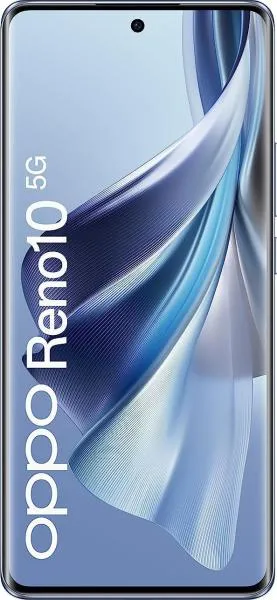
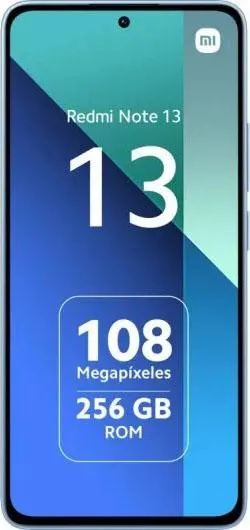
1. Specifications Comparison
| Feature | Oppo Reno10 | Xiaomi Redmi Note 13 4G | Practical Impact |
|---|---|---|---|
| Design | |||
| Dimensions (mm) | 162.4 x 74.2 x 8 | 162.3 x 75.6 x 8 | Redmi Note 13 is slightly wider. Negligible difference in hand feel for most users. |
| Weight (g) | 185 | 188.5 | Negligible weight difference. |
| Build Materials | Not specified | Not specified | Cannot compare build quality and durability. |
| Display | |||
| Size (inches) | 6.7 | 6.67 | Virtually identical screen sizes. |
| Type | AMOLED, 1B colors, 120Hz, HDR10+ | AMOLED, 120Hz | Both offer smooth scrolling and vibrant colors. Reno10 supports HDR10+ for potentially better video quality. Reno10 boasts a higher color depth, leading to smoother color gradients, especially noticeable in professional photo editing. |
| Resolution | 1080 x 2412 | 1080 x 2400 | Negligible difference in sharpness. |
| Peak Brightness (nits) | 950 | 1800 | Redmi Note 13 offers significantly higher peak brightness, making it much more usable in direct sunlight. |
| Performance | |||
| Chipset | Mediatek Dimensity 7050 (6 nm) | Qualcomm Snapdragon 685 (6 nm) | Both are mid-range chipsets. Performance differences would need benchmarking. Snapdragon 685 is generally known for better power efficiency. |
| CPU | Octa-core (2x2.6 GHz Cortex-A78 & 6x2.0 GHz Cortex-A55) | Octa-core (4x2.8 GHz Cortex-A73 & 4x1.9 GHz Cortex-A53) | Different core configurations. Performance differences require real-world testing. Dimensity 7050 has faster prime cores. |
| GPU | Mali-G68 MC4 | Adreno 610 | Different GPUs. Gaming performance differences need further benchmarking. |
| RAM | 8GB | 8GB | Same RAM capacity. Multitasking performance should be similar. |
| Storage | 256GB | 128GB/256GB | Reno10 offers only a 256GB option in this comparison, while Redmi Note 13 has more flexibility with a 128GB option. |
| Camera | |||
| Rear Camera Specs | Not specified in detail | Not specified in detail | Insufficient detail to compare camera quality. |
| Video Recording | Up to 4K@30fps with EIS | 1080p@30fps | Reno10 offers significantly better video recording capabilities with higher resolution and frame rates, including slow-motion options. |
| Battery | |||
| Capacity (mAh) | 5000 | 5000 | Same battery capacity. Actual battery life depends on usage and optimization. |
2. Key Differences Analysis
Oppo Reno10 Advantages:
- Superior Video Recording: Offers 4K recording and various slow-motion options.
- HDR10+ Support: Potentially better video playback quality.
- Higher Color Depth: Smoother color gradients for a visually superior experience. Beneficial for content creators and media consumption.
Xiaomi Redmi Note 13 4G Advantages:
- Significantly Brighter Display: Much better outdoor visibility.
- Potentially Better Battery Life: Snapdragon 685 known for power efficiency.
- More Storage Options: Offers a 128GB option for budget-conscious users.
- Longer Software Support: OS Max version is Android 16 compared to Android 14 on the Reno10.
Trade-offs:
- Reno10: Higher video quality but potentially lower overall battery life and less bright display. Only one storage option.
- Redmi Note 13 4G: Brighter display and potential for better battery life, but significantly inferior video recording capabilities.
3. User Profiles & Recommendations
Oppo Reno10: Users who prioritize video recording and playback quality, prefer smoother color gradients, and value a slightly slimmer phone. Content creators, vloggers, and media enthusiasts.
Xiaomi Redmi Note 13 4G: Users who prioritize battery life and outdoor visibility. Users on a tighter budget who need a reliable phone for everyday tasks.
4. Decision Framework
Key Questions:
- How important is video recording quality?
- Do you frequently use your phone outdoors in bright sunlight?
- What is your budget and storage requirement?
Scenario-Based Recommendations:
- Frequent video recorder/social media user: Oppo Reno10
- Outdoor worker/heavy phone user: Redmi Note 13 4G
- Budget-conscious buyer needing basic functionality: Redmi Note 13 4G (128GB version)
My Choice: Xiaomi Redmi Note 13 4G
While the Oppo Reno10 offers appealing video features and higher color depth, the significantly brighter display of the Redmi Note 13 4G is a crucial factor for me. I often use my phone outdoors, and screen visibility in sunlight is a top priority. The potential for better battery life due to the Snapdragon 685 and the longer software support (up to Android 16) also sway my decision. I can compromise on video recording capabilities as it's not a primary use case for me. The availability of a 128GB storage option also provides flexibility. While not specified, the price difference between the 128GB Redmi Note 13 and the 256GB Reno10 could be significant, further strengthening the Redmi Note 13's value proposition.
