1. Specifications Comparison
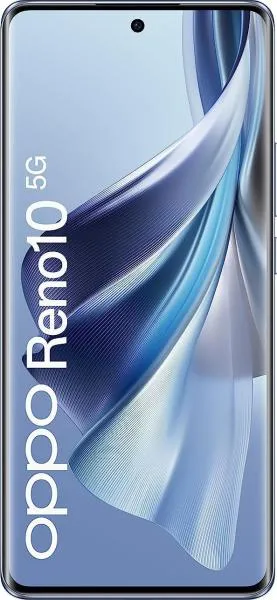
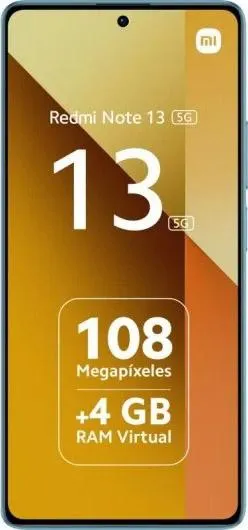
| Feature | Oppo Reno10 | Xiaomi Redmi Note 13 | Practical Impact |
|---|---|---|---|
| Design | |||
| Dimensions (mm) | 162.4 x 74.2 x 8 | 161.1 x 75 x 7.6 | Reno10 is slightly taller and thinner, Redmi Note 13 slightly wider and thicker. Negligible difference in hand feel. |
| Weight (g) | 185 | 174.5 | Redmi Note 13 is noticeably lighter, reducing hand fatigue during extended use. |
| Fingerprint Sensor | Under-display | Side-mounted | Preference-based; under-display feels more modern, side-mounted can be faster and easier to reach for some. |
| Display | |||
| Size (inches) | 6.7 | 6.67 | Virtually identical screen real estate. |
| Type | AMOLED, 1B colors, 120Hz, HDR10+ | AMOLED, 1B colors, 120Hz | Both offer vibrant colors and smooth scrolling. HDR10+ on Reno10 provides better dynamic range in supported content. The asterisk () next to Redmi Note 13's color spec suggests a potential difference in color accuracy that requires further investigation. | |
| Peak Brightness (nits) | 950 | 1000 | Redmi Note 13 offers slightly better outdoor visibility in direct sunlight. |
| Resolution | 1080 x 2412 | 1080 x 2400 | Negligible difference in sharpness. |
| Performance | |||
| Chipset | Mediatek Dimensity 7050 (6nm) | Mediatek Dimensity 6080 (6nm) | Dimensity 7050 in Reno10 offers slightly better CPU performance, noticeable in demanding tasks and gaming. |
| CPU | Octa-core (2x2.6 GHz Cortex-A78 & 6x2.0 GHz Cortex-A55) | Octa-core (2x2.4 GHz Cortex-A76 & 6x2.0 GHz Cortex-A55) | Reno10's faster Cortex-A78 cores provide a performance edge. |
| GPU | Mali-G68 MC4 | Mali-G57 MC2 | Reno10 has a more powerful GPU, resulting in smoother gaming and faster graphics rendering. |
| RAM/Storage | 256GB/8GB | 256GB/8GB, 256GB/12GB | Redmi Note 13 offers a 12GB RAM option for enhanced multitasking. |
| Camera | |||
| Video Capabilities | 4K@30fps, 1080p at various fps including slow-mo | 1080p@30fps | Reno10 offers significantly more versatile video recording options, including 4K resolution and slow-motion. Detailed camera specifications (sensors, apertures) are missing for a comprehensive comparison. |
| Battery | |||
| Capacity (mAh) | 5000 | 5000 | Identical battery capacity. Real-world battery life depends on optimization and usage patterns. |
| Software | |||
| OS | Android 13 | Android 13 | Both launch with Android 13. |
| Max OS Version | 14 | 16 | Redmi Note 13 will receive longer software updates, crucial for security and new features. |
2. Key Differences Analysis
Oppo Reno10 Advantages:
- Superior Performance: The Dimensity 7050 and Mali-G68 MC4 offer a noticeable performance advantage for gaming and demanding tasks.
- Versatile Video Recording: 4K recording and various slow-motion options cater to content creators.
- Potentially Better Display: HDR10+ support enhances dynamic range in compatible content.
Xiaomi Redmi Note 13 Advantages:
- Lighter Weight: More comfortable for extended use.
- Longer Software Support: Will receive updates for a longer period, enhancing longevity.
- Lower Price: Offers better value for budget-conscious buyers.
- More RAM Option: 12GB RAM option available for power users.
- Brighter Display: Peak brightness of 1000 nits ensures better visibility outdoors.
3. User Profiles & Recommendations
Oppo Reno10: Users who prioritize performance for gaming or demanding applications, value high-quality video recording, and appreciate a slightly more premium design.
Xiaomi Redmi Note 13: Budget-conscious users who prioritize long-term software updates, a lightweight design, and excellent battery life. The 12GB RAM option caters to those who heavily multitask.
4. Decision Framework
Key Questions:
- What is your budget? The Redmi Note 13 offers better value in the lower price range.
- What are your primary use cases? Gamers and content creators would benefit from the Reno10's performance and video capabilities.
- How long do you plan to keep your phone? The Redmi Note 13's longer software support is crucial for long-term use.
My Choice: Xiaomi Redmi Note 13
While the Oppo Reno10 offers a performance advantage, the Xiaomi Redmi Note 13 provides a compelling combination of features for my needs. The longer software support, lighter weight, and lower price are significant factors. The potential for better outdoor visibility due to higher peak brightness is also appealing. While I appreciate the Reno10's video capabilities, they are not a primary need for me. The performance difference between the two chipsets, while noticeable, is likely not substantial enough to justify the price difference for my usage pattern. Finally, having the option for 12GB of RAM future-proofs the device for more demanding applications later in its lifecycle.
