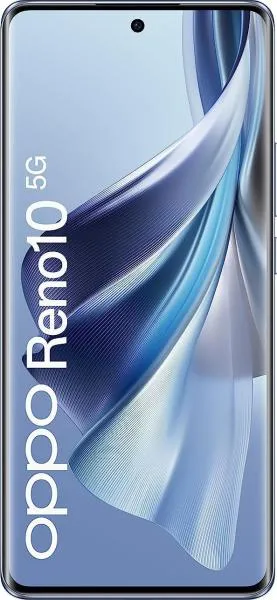
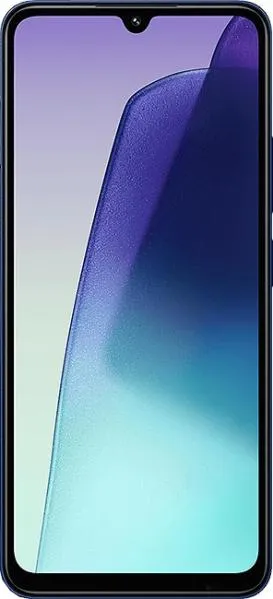
1. Specifications Comparison
| Feature | Oppo Reno10 | Xiaomi Redmi 14C | Practical Impact |
|---|---|---|---|
| Design | |||
| Dimensions (mm) | 162.4 x 74.2 x 8 | 171.9 x 77.8 x 8.2 | Redmi 14C is noticeably larger and slightly thicker. Reno10 is more pocketable and easier to handle one-handed. |
| Weight (g) | 185 | 211 | Reno10 is significantly lighter, reducing hand fatigue during extended use. |
| Fingerprint Sensor | Under-display | Side-mounted | Preference-based, but under-display is often considered more modern. |
| Display | |||
| Display Type | AMOLED, 1B colors, 120Hz, HDR10+ | IPS LCD, 120Hz | Reno10's AMOLED offers deeper blacks, more vibrant colors, and better power efficiency in dark mode. HDR10+ provides superior dynamic range in supported content. |
| Size (inches) | 6.7 | 6.88 | Redmi 14C has a slightly larger display, offering more screen real estate. |
| Resolution | 1080 x 2412 | 720 x 1640 | Reno10 has a much sharper display (394 ppi vs 260 ppi), resulting in crisper text and images. |
| Peak Brightness (nits) | 950 | Not specified | Reno10's higher peak brightness (if confirmed) ensures better visibility outdoors. Lack of specified peak brightness for the Redmi 14C makes direct comparison impossible. |
| Performance | |||
| Chipset | Mediatek Dimensity 7050 (6nm) | Mediatek Helio G81 Ultra | Dimensity 7050 generally offers better performance and efficiency due to smaller node size and architecture. "Ultra" designation on the Helio G81 doesn't provide concrete performance details and should be viewed with caution. |
| CPU | Octa-core (2x2.6 GHz Cortex-A78 & 6x2.0 GHz Cortex-A55) | Octa-core (2x2.0 GHz Cortex-A75 & 6x1.8 GHz Cortex-A55) | Reno10's CPU features faster cores (Cortex-A78 vs A75), likely translating to smoother multitasking and faster app loading. |
| GPU | Mali-G68 MC4 | Mali-G52 MC2 | Reno10 has a more powerful GPU, beneficial for gaming and graphically demanding tasks. |
| RAM/Storage | 256GB/8GB RAM | 128GB/6GB RAM, 128GB/8GB RAM | Reno10 offers more base storage. Both offer sufficient RAM for most users, though 8GB provides more headroom for multitasking. |
| Camera | |||
| Video Capabilities | 4K@30fps, 1080p at various frame rates including slow-motion | 1080p@30fps | Reno10 offers significantly more versatile video recording options, including 4K resolution and slow-motion. Limited information on Redmi 14C's camera makes detailed comparison impossible. |
| Battery | |||
| Capacity (mAh) | 5000 | 5160 | Redmi 14C has slightly larger battery capacity, but real-world battery life depends on various factors including display and chipset efficiency. |
2. Key Differences Analysis
Oppo Reno10 Advantages:
- Superior Display: AMOLED with higher resolution, brighter peak brightness, and HDR10+ support delivers a significantly better viewing experience.
- Better Performance: More powerful CPU and GPU for smoother multitasking and gaming.
- More Versatile Camera: Offers 4K video recording and slow-motion capabilities.
- More Premium Design: Lighter and more compact with an under-display fingerprint sensor.
Xiaomi Redmi 14C Advantages:
- Slightly Larger Battery: Potentially longer battery life, though real-world usage will vary.
- Potentially Lower Price: While both are mid-range, the Redmi series often undercuts competitors. Specific pricing is needed for confirmation.
- More Color Options: Offers a wider variety of color choices.
Trade-offs:
- Redmi 14C: Compromises on display quality, performance, and camera features for a potentially lower price and larger battery.
- Reno10: Offers a premium experience but with a smaller battery and potentially higher price.
3. User Profiles & Recommendations
Oppo Reno10: Ideal for users who prioritize display quality, performance, camera features, and a premium design. Suitable for:
- Multimedia consumption: Watching videos, browsing photos
- Mobile gaming: Playing demanding games
- Content creation: Recording high-quality videos
Xiaomi Redmi 14C: Suitable for users on a tighter budget who prioritize battery life and basic functionality. Best for:
- Casual users: Primarily using for communication, social media, and light browsing.
- Users seeking long battery life: Minimal reliance on demanding applications.
4. Decision Framework
Key Questions:
- What is your budget? The Reno10 likely commands a higher price.
- What are your primary smartphone usage patterns? (e.g., gaming, multimedia, basic communication)
- Which features are most important to you? (e.g., display quality, battery life, performance)
My Choice: Oppo Reno10
While lacking specific pricing information, the Oppo Reno10 offers a significantly better overall package. The superior display, performance, and camera versatility outweigh the slightly smaller battery and potential price difference. The more compact and lightweight design further enhances the user experience. The Redmi 14C's larger battery is not compelling enough to compensate for the significant compromises in other areas, especially the lower resolution display. Unless budget is extremely tight, the Reno10 offers a more future-proof and enjoyable smartphone experience.
