1. Specifications Comparison
| Feature | Oppo Reno10 | Xiaomi Redmi 13C 5G | Practical Impact |
|---|---|---|---|
| Design | |||
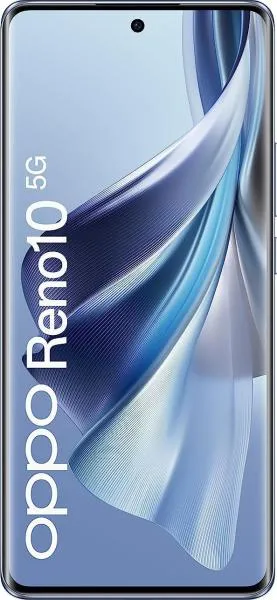
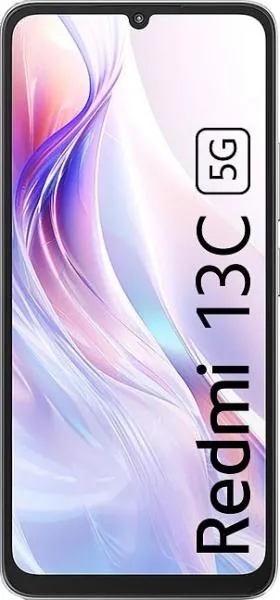
| Dimensions (mm) | 162.4 x 74.2 x 8 | 168 x 78 x 8.1 | Reno10 is noticeably smaller and thinner, making it more pocketable and easier to handle one-handed. |
| Weight (g) | 185 | 192 | Reno10 is slightly lighter, further enhancing one-handed use. |
| Fingerprint Sensor | Under-display | Side-mounted | Preference-based, but under-display is often considered more modern and integrated. |
| Display | |||
| Display Type | AMOLED, 1B colors, 120Hz | IPS LCD, 90Hz | Reno10's AMOLED offers significantly better contrast, deeper blacks, and more vibrant colors. The 120Hz refresh rate provides smoother animations and scrolling compared to the 90Hz on the Redmi. |
| Resolution | 1080 x 2412 | 720 x 1600 | Reno10 has a much sharper display, resulting in clearer text and images. |
| Peak Brightness (nits) | 950 | Not specified - assumed lower based on typical 450 nits | Reno10's higher peak brightness ensures better visibility in direct sunlight. Lack of specific peak brightness for Redmi 13C makes direct comparison difficult. |
| Performance | |||
| Chipset | Mediatek Dimensity 7050 (6nm) | Mediatek Dimensity 6100+ (6nm) | Both utilize a similar 6nm process suggesting comparable power efficiency. The Dimensity 7050 generally offers slightly better CPU performance. |
| CPU | Octa-core (2x2.6 GHz A78 & 6x2.0 GHz A55) | Octa-core (2x2.2 GHz A76 & 6x2.0 GHz A55) | While both have similar core configurations, the Reno10's higher clock speed on the performance cores (Cortex-A78 vs A76) should translate to faster processing in demanding tasks. |
| GPU | Mali-G68 MC4 | Mali-G57 MC2 | Reno10's GPU is more powerful, offering smoother gaming and graphics performance. |
| RAM/Storage | 8GB/256GB | 6GB/128GB | Reno10 offers double the RAM and storage, enabling better multitasking and more space for apps and files. |
| Camera | |||
| Video Capabilities | 4K@30fps, 1080p up to 480fps (EIS) | 1080p@30fps | Reno10 boasts significantly more versatile video recording options, including 4K resolution and slow-motion capabilities up to 480fps. Limited information on Redmi 13C's camera makes detailed comparison challenging. |
| Battery | |||
| Capacity | 5000 mAh | 5000 mAh | Similar battery capacities suggest comparable battery life, although real-world usage can vary due to other factors like display and processor efficiency. |
2. Key Differences Analysis
Oppo Reno10 Advantages:
- Superior Display: AMOLED with higher resolution, refresh rate, and brightness.
- Better Performance: Faster CPU and GPU for smoother operation and gaming.
- More RAM and Storage: Enhanced multitasking and ample space for files.
- More Versatile Camera: 4K video recording and various slow-motion options.
- Slightly More Compact Design: Easier to handle and carry.
Xiaomi Redmi 13C 5G Advantages:
- Potentially Lower Price: While both are mid-range, the Redmi series generally targets a more budget-conscious audience.
Trade-offs:
- Redmi 13C: Sacrifices display quality, performance, and camera features for potential affordability.
- Reno10: Potentially higher price for premium features.
3. User Profiles & Recommendations
Oppo Reno10: Suitable for users who prioritize display quality, performance, camera features, and a sleek design. Ideal for multimedia consumption, mobile gaming, and content creation.
Xiaomi Redmi 13C 5G: Best suited for budget-conscious users who primarily need a functional smartphone for basic tasks like calling, texting, and web browsing.
4. Decision Framework
Key Questions:
- What is your budget? The Reno10 is likely more expensive.
- What are your primary smartphone usage patterns? For basic use, the Redmi might suffice. For demanding tasks, the Reno10 is better.
- Which features are most important to you? Prioritize display, performance, and camera? Choose the Reno10. Prioritize affordability above all else? Consider the Redmi.
My Choice: Oppo Reno10
While lacking specific pricing information, the Oppo Reno10 provides a significantly superior user experience across multiple categories. The AMOLED display, faster performance, greater storage, and more versatile camera make it a clear winner in terms of features and capabilities. For me, the benefits in daily usage outweigh the potential price difference. The Redmi 13C, while potentially more affordable, compromises too much on key aspects like display and performance. I value a smooth, responsive user experience and a high-quality display, making the Reno10 the preferred choice.
