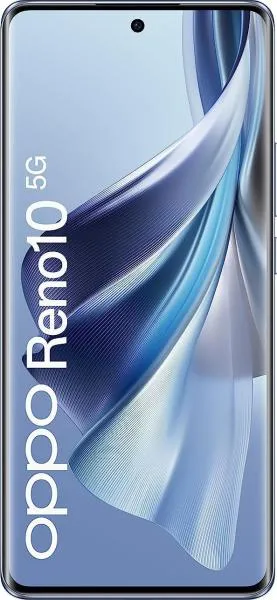
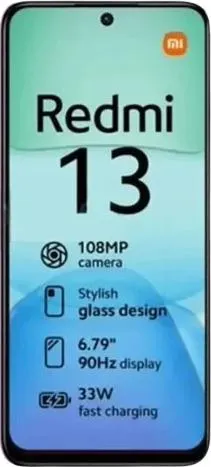
1. Specifications Comparison
| Feature | Oppo Reno10 | Xiaomi Redmi 13 | Practical Impact |
|---|---|---|---|
| Design | |||
| Dimensions (mm) | 162.4 x 74.2 x 8 | 168.6 x 76.3 x 8.3 | Redmi 13 is noticeably larger and slightly thicker. Reno10 is more pocketable and easier to handle one-handed. |
| Weight (g) | 185 | 205 | Redmi 13 is heavier, potentially leading to fatigue during extended use. |
| Fingerprint Sensor | Under display | Side-mounted | Preference-based; under-display feels more modern, side-mounted can be faster and easier to access. |
| Display | |||
| Display Type | AMOLED, 1B colors, 120Hz | IPS LCD, 90Hz | Reno10 offers deeper blacks, more vibrant colors, and smoother scrolling thanks to AMOLED and 120Hz. Redmi 13's LCD might appear washed out in comparison. |
| Size (inches) | 6.7 | 6.79 | Negligible size difference. |
| Resolution | 1080 x 2412 | 1080 x 2460 | Virtually identical pixel density; sharpness will be similar on both. |
| Peak Brightness (nits) | 950 | Not specified | Reno10's higher peak brightness ensures better visibility in direct sunlight. Redmi 13's unspecified value makes comparison impossible. |
| Refresh Rate (Hz) | 120 | 90 | Reno10's 120Hz offers a more fluid and responsive user experience compared to Redmi 13's 90Hz. |
| Performance | |||
| Chipset | Mediatek Dimensity 7050 (6 nm) | Mediatek Helio G91 Ultra (12 nm) | Dimensity 7050 generally offers better performance and efficiency due to smaller node size. |
| CPU | Octa-core (2x2.6 GHz Cortex-A78 & 6x2.0 GHz Cortex-A55) | Octa-core (2x2.0 GHz Cortex-A75 & 6x1.8 GHz Cortex-A55) | Reno10 likely has a performance edge in demanding tasks due to faster prime cores and more efficient architecture. |
| GPU | Mali-G68 MC4 | Mali-G52 MC2 | Reno10's GPU is significantly more powerful, leading to smoother gaming and faster graphics rendering. |
| RAM | 8GB | 8GB | Equivalent RAM capacity. |
| Storage | 256GB | 256GB | Equivalent storage capacity. |
| Camera | |||
| Video Capabilities | 4K@30fps, 1080p at various fps/slow-mo | 1080p@30fps | Reno10 offers significantly more versatile video recording options including 4K and slow-motion. Redmi 13's video capabilities are basic. |
| Battery | |||
| Capacity (mAh) | 5000 | 5030 | Negligible difference in battery capacity. Real-world battery life will depend more on software optimization and usage patterns. |
2. Key Differences Analysis
Oppo Reno10 Advantages:
- Superior Display: AMOLED with 120Hz refresh rate offers a significantly better visual experience.
- Faster Performance: More powerful chipset and GPU for smoother multitasking and gaming.
- More Versatile Camera: Supports 4K video recording and various slow-motion modes.
- More Compact Design: Smaller and lighter for easier one-handed use.
Xiaomi Redmi 13 Advantages:
- Lower Price: Positioned in the "low price" range, offering potentially better value.
- Slightly Larger Battery: Marginally larger battery capacity, though real-world impact might be minimal.
- Newer Android Version (at launch): Launched with Android 14.
3. User Profiles & Recommendations
Oppo Reno10: Users who prioritize display quality, performance, and camera versatility. Suitable for mobile gaming, content consumption, and photography enthusiasts.
Xiaomi Redmi 13: Budget-conscious users who prioritize basic functionality and a large screen. Suitable for everyday tasks like browsing, social media, and casual gaming.
4. Decision Framework
Key Questions for Buyers:
- What is your budget? The Redmi 13 is significantly cheaper.
- How important is display quality and performance? The Reno10 excels in these areas.
- What are your primary use cases? Gaming and content creation benefit from the Reno10's superior hardware.
My Choice: Oppo Reno10
While the Redmi 13 offers a compelling value proposition for its price, the Oppo Reno10 is the better overall phone for my needs. The superior AMOLED display, smoother 120Hz refresh rate, more powerful processor, versatile camera, and more compact form factor outweigh the price difference. I prioritize a fluid and enjoyable user experience, and the Reno10 delivers in those critical areas. The Redmi 13's compromises on display quality, performance, and video recording capabilities are significant enough to sway my decision in favor of the Reno10. I would be willing to pay the price premium for the noticeable improvements in daily usage.
