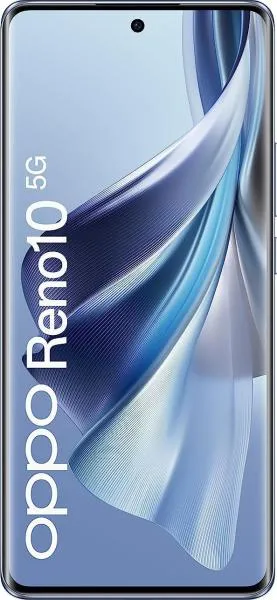

1. Specifications Comparison
| Feature | Oppo Reno10 | Xiaomi Redmi 12 5G | Practical Impact |
|---|---|---|---|
| Design | |||
| Dimensions (mm) | 162.4 x 74.2 x 8 | 168.6 x 76.3 x 8.2 | Redmi 12 is noticeably larger and slightly thicker. Reno10 offers better one-handed usability. |
| Weight (g) | 185 | 199 | Reno10 is lighter, reducing hand fatigue during extended use. |
| Fingerprint Sensor | Under-display | Side-mounted | Preference-based, but under-display is often perceived as more modern. |
| Display | |||
| Display Type | AMOLED, 1B colors, 120Hz | IPS LCD, 90Hz | Reno10's AMOLED offers deeper blacks, richer colors, and potentially better power efficiency in dark mode. Higher refresh rate results in smoother animations and scrolling. |
| Size (inches) | 6.7 | 6.79 | Negligible difference in screen real estate. |
| Resolution | 1080 x 2412 | 1080 x 2460 | Virtually identical pixel density, resulting in similar sharpness. |
| Peak Brightness (nits) | 950 | Not specified | Reno10's higher peak brightness ensures better visibility in direct sunlight. Missing Redmi 12 value limits comparison. |
| Performance | |||
| Chipset | Mediatek Dimensity 7050 (6nm) | Qualcomm Snapdragon 4 Gen 2 (4nm) | Dimensity 7050 generally offers better performance in demanding tasks and gaming. Snapdragon 4 Gen 2 focuses on efficiency. 4nm process on the Snapdragon should result in better battery life, but performance comparisons require benchmarking. |
| CPU | Octa-core (2x2.6 GHz Cortex-A78 & 6x2.0 GHz Cortex-A55) | Octa-core (2x2.2 GHz Cortex-A78 & 6x1.95 GHz Cortex-A55) | Reno10's slightly higher clocked CPU cores might provide a slight edge in processing speed. Real-world difference likely minimal. |
| GPU | Mali-G68 MC4 | Adreno 613 | Mali-G68 MC4 generally provides superior graphical performance compared to Adreno 613, benefiting gaming and graphically intensive applications. |
| RAM/Storage | 8GB/256GB | 6GB/128GB | Reno10 offers double the RAM and storage, enabling smoother multitasking and more space for apps and files. |
| Camera | |||
| Video Capabilities | 4K@30fps, 1080p up to 480fps | 1080p@30fps | Reno10 offers significantly more versatile video recording options, including 4K resolution and slow-motion capabilities. Missing detailed Redmi 12 camera specs limit further comparison. |
| Battery | |||
| Capacity (mAh) | 5000 | 5000 | Identical battery capacity suggests similar potential battery life, although real-world usage will vary depending on other factors. |
2. Key Differences Analysis
Oppo Reno10 Advantages:
- Superior Display: AMOLED with higher refresh rate and peak brightness.
- Better Performance: More powerful chipset and GPU.
- More RAM and Storage: Smoother multitasking and ample storage space.
- Versatile Video Recording: 4K and slow-motion capabilities.
- Lighter and More Compact: Enhanced portability and one-handed use.
Xiaomi Redmi 12 5G Advantages:
- Potentially Better Battery Life: More efficient 4nm chipset, though real-world performance needs testing.
- Slightly Larger Display: Minimal difference but might be preferred by some.
3. User Profiles & Recommendations
Oppo Reno10: Users who prioritize display quality, performance, and versatile camera features. Suitable for gaming, media consumption, and multitasking.
Xiaomi Redmi 12 5G: Users on a tighter budget prioritizing battery life and a large display. Best for basic tasks, web browsing, and casual media consumption.
4. Decision Framework
Key Questions for Buyers:
- What is your budget? The Reno10 is likely more expensive.
- What are your primary use cases? Gaming and media consumption benefit from the Reno10's superior hardware.
- Do you prioritize display quality and performance or battery life and affordability?
My Choice: Oppo Reno10
While lacking comprehensive camera specifications for the Redmi 12 limits a complete comparison, the Oppo Reno10 is the clear winner for me. The superior AMOLED display with a 120Hz refresh rate, the more powerful Dimensity 7050 chipset, coupled with double the RAM and storage, significantly enhance the overall user experience. The Reno10's more versatile video recording capabilities and lighter, more compact design further solidify its position. Although the Redmi 12 5G might offer slightly better battery life due to its 4nm processor, the significant advantages of the Reno10 in performance, display, and features outweigh this potential benefit for my personal needs. I value a smooth and responsive user experience, a vibrant display, and the ability to capture high-quality videos, making the Reno10 a more compelling choice.
