1. Specifications Comparison
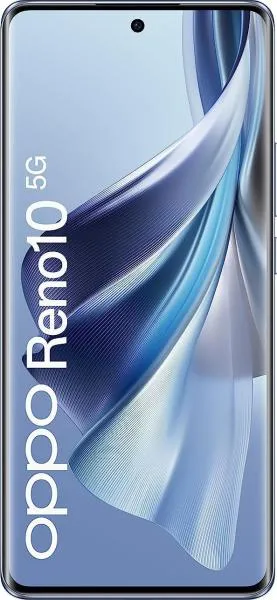
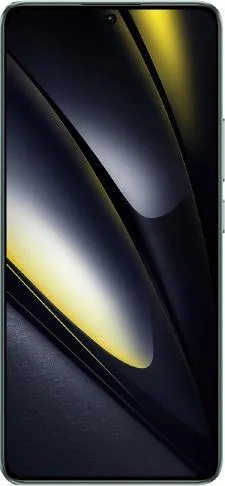
| Feature | Oppo Reno10 | Xiaomi Poco F6 | Practical Impact |
|---|---|---|---|
| Design | |||
| Dimensions | 162.4 x 74.2 x 8 mm | 160.5 x 74.5 x 8 mm | Poco F6 is slightly shorter and wider, negligible difference in hand feel. |
| Weight | 185g | 179g | Poco F6 is slightly lighter, but the difference is minimal. |
| Display | |||
| Size | 6.7" | 6.67" | Negligible size difference. |
| Type | AMOLED, 1B colors, 120Hz, HDR10+ | AMOLED, 68B colors, 120Hz, HDR10+, Dolby Vision | Poco F6 supports more colors (68B vs 1B) and Dolby Vision, potentially resulting in a more vibrant and dynamic viewing experience. |
| Resolution | 1080 x 2412 | 1220 x 2712 | Poco F6 has a sharper display with higher pixel density (446 ppi vs 394 ppi), leading to clearer text and images. |
| Peak Brightness | 950 nits | 2400 nits | Poco F6 offers significantly higher peak brightness, making it much more readable in direct sunlight. |
| Performance | |||
| Chipset | Mediatek Dimensity 7050 (6 nm) | Qualcomm Snapdragon 8+ Gen 1 (4 nm) | Poco F6 boasts a significantly more powerful processor, resulting in much faster performance, smoother multitasking, and better gaming capabilities. |
| CPU | Octa-core (2x2.6 GHz Cortex-A78 & 6x2.0 GHz Cortex-A55) | Octa-core (1x3.0 GHz Cortex-X4 & 4x2.8 GHz Cortex-A720 & 3x2.0 GHz Cortex-A520) | Poco F6 has a more powerful and efficient CPU architecture. |
| GPU | Mali-G68 MC4 | Adreno 735 | Poco F6 has a considerably more powerful GPU, enabling smoother gaming and faster graphics rendering. |
| RAM/Storage | 8GB/256GB | 12GB/512GB | Poco F6 offers more RAM and storage, enabling smoother multitasking and ample space for apps and files. |
| Battery | |||
| Capacity | 5000 mAh | 5000 mAh | Both phones have the same battery capacity. Real-world battery life will depend on usage and software optimization. |
| Software | |||
| OS | Android 13 | Android 14 | Poco F6 ships with a newer Android version and will likely receive longer software updates. |
2. Key Differences Analysis
Oppo Reno10 Advantages:
- Potentially Lower Price: While both are mid-range, the older release date might make the Reno10 more affordable.
Xiaomi Poco F6 Advantages:
- Significantly Superior Performance: The Snapdragon 8+ Gen 1 vastly outperforms the Dimensity 7050, making the Poco F6 much better for demanding tasks and gaming.
- Brighter and Sharper Display: The Poco F6's display is noticeably brighter and sharper, providing a better viewing experience.
- More RAM and Storage: The Poco F6 offers double the storage and more RAM.
- Newer Software: The Poco F6 ships with Android 14 and will likely receive updates for a longer period.
Trade-offs:
- Price: The Poco F6, with its superior specs, is likely to be more expensive.
3. User Profiles & Recommendations
Oppo Reno10: Suitable for users with basic smartphone needs like browsing, social media, and casual photography. Good for budget-conscious buyers who prioritize affordability over top-tier performance.
Xiaomi Poco F6: Ideal for power users, gamers, and those who demand top-notch performance, a great display, and ample storage. Excellent for those who want a future-proof device with longer software support.
4. Decision Framework
Key Questions:
- What is your budget? The Poco F6 likely commands a higher price.
- What are your primary smartphone uses? For basic tasks, the Reno10 might suffice. For demanding tasks and gaming, the Poco F6 is superior.
- How important is long-term software support? The Poco F6 with Android 14 will receive updates for longer.
My Choice: Xiaomi Poco F6
The Xiaomi Poco F6 is the clear winner for me. While the Oppo Reno10 is a decent phone for basic tasks, the Poco F6 offers a significantly better user experience due to its vastly superior processor, stunning display, larger RAM and storage, and newer software. The performance difference alone is a major deciding factor, ensuring a smooth and lag-free experience for years to come. While price might be a concern, the long-term value offered by the Poco F6's superior hardware and extended software support justifies the likely higher cost. I prioritize performance and longevity in a smartphone, and the Poco F6 delivers on both fronts.
