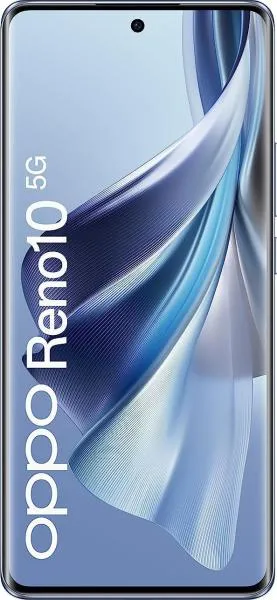

1. Specifications Comparison
| Feature | Oppo Reno10 | Xiaomi 14T Pro | Practical Impact |
|---|---|---|---|
| Design | |||
| Dimensions (mm) | 162.4 x 74.2 x 8 | 160.4 x 75.1 x 8.4 | Xiaomi 14T Pro is slightly larger and thicker. |
| Weight (g) | 185 | 209 | Oppo Reno10 is noticeably lighter, improving one-handed use. |
| Display | |||
| Size (inches) | 6.7 | 6.67 | Negligible size difference. |
| Type | AMOLED, 1B colors, 120Hz, HDR10+ | AMOLED, 68B colors, 144Hz, Dolby Vision, HDR10+ | Xiaomi boasts a higher refresh rate (smoother animations) and significantly more colors (more nuanced visuals), along with Dolby Vision support for enhanced HDR content. |
| Peak Brightness (nits) | 950 | 4000 | Xiaomi offers vastly superior brightness for better outdoor visibility. |
| Resolution | 1080 x 2412 | 1220 x 2712 | Xiaomi has a sharper display due to higher resolution and pixel density. |
| Performance | |||
| Chipset | Mediatek Dimensity 7050 (6 nm) | Mediatek Dimensity 9300+ (4 nm) | Xiaomi's 9300+ is a significantly more powerful chip built on a smaller process node, resulting in notably faster performance and better power efficiency. |
| CPU | Octa-core (2x2.6 GHz Cortex-A78 & 6x2.0 GHz Cortex-A55) | Octa-core (1x3.4 GHz Cortex-X4 & 3x2.85 GHz Cortex-X4 & 4x2.0 GHz Cortex-A720) | Xiaomi's CPU configuration suggests a significant performance advantage in demanding tasks and multitasking. |
| GPU | Mali-G68 MC4 | Immortalis-G720 MC12 | Xiaomi features a more powerful GPU, leading to better gaming performance and smoother graphics rendering. |
| RAM | 8GB | 12GB | Xiaomi provides more RAM for better multitasking and app switching. |
| Storage | 256GB | 512GB | Xiaomi offers double the storage. |
| Camera | |||
| Video Capabilities | Up to 4K@30fps | Up to 8K@30fps | Xiaomi offers superior video recording capabilities with higher resolution and frame rate options. |
| Battery | |||
| Capacity (mAh) | 5000 | 5000 | Identical battery capacity. Real-world battery life will depend on software optimization and usage patterns. |
2. Key Differences Analysis
Xiaomi 14T Pro Advantages:
- Significantly higher performance: The Dimensity 9300+ and larger RAM provide a considerable advantage in speed and multitasking.
- Superior Display: Higher resolution, refresh rate, color depth, and peak brightness result in a vastly improved visual experience.
- Better Video Recording: 8K recording capabilities provide future-proofing and higher quality content creation.
- More Storage: Double the storage allows for more apps, photos, and videos.
Oppo Reno10 Advantages:
- Lighter and More Compact: Noticeably lighter, leading to a more comfortable one-handed experience.
3. User Profiles & Recommendations
Xiaomi 14T Pro: Ideal for power users, gamers, content creators, and those who prioritize performance and a top-tier display. Excellent for demanding tasks, media consumption, and mobile photography/videography.
Oppo Reno10: Suitable for users who prioritize a lightweight and comfortable phone for everyday use, such as browsing, social media, and communication. Better suited for users who value portability over peak performance.
4. Decision Framework
Key Questions for Buyers:
- What is your budget? Both are mid-range but the Xiaomi 14T Pro might be slightly more expensive.
- What are your primary use cases? (Gaming, content creation, everyday use)
- Do you prioritize performance or portability?
My Choice: Xiaomi 14T Pro
While the Oppo Reno10 offers a lighter design, the Xiaomi 14T Pro's significant advantages in performance, display, and camera capabilities make it the clear winner for me. The superior processor, sharper and brighter display with a higher refresh rate, along with more RAM and storage significantly outweigh the slight difference in weight. The enhanced video recording options further solidify its position as the more compelling device. I prioritize a smooth and responsive user experience, high-quality visuals, and future-proofing, making the Xiaomi 14T Pro the better long-term investment.
