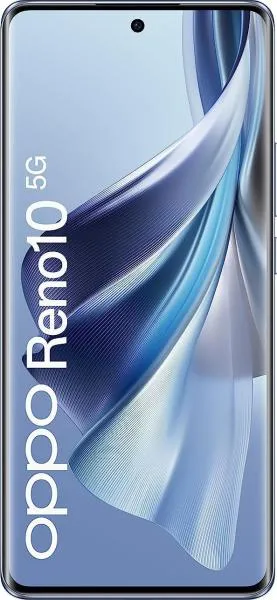

1. Specifications Comparison
| Feature | Oppo Reno10 | Xiaomi 14 Ultra | Practical Impact |
|---|---|---|---|
| Design | |||
| Dimensions | 162.4 x 74.2 x 8 mm | 161.4 x 75.3 x 9.2 mm | Xiaomi is slightly wider, taller and thicker. Reno10 is noticeably thinner and lighter. |
| Weight | 185g | 229.5g | Significant weight difference; Reno10 is much more comfortable for extended use and one-handed operation. |
| Build | Not specified | Not specified | Build materials impact durability and premium feel; information lacking for comparison. |
| Display | |||
| Size | 6.7" | 6.73" | Negligible size difference. |
| Type | AMOLED, 1B colors, 120Hz | LTPO AMOLED, 68B colors, 120Hz | Both offer smooth scrolling. Xiaomi's LTPO panel allows for variable refresh rate, potentially saving battery. Xiaomi's 68B colors offer much more nuanced and accurate color reproduction, beneficial for content creators and media consumption. |
| Resolution | 1080 x 2412 (FHD+) | 1440 x 3200 (WQHD+) | Xiaomi offers significantly sharper visuals due to higher resolution, noticeable in text clarity and image detail. |
| Peak Brightness | 950 nits | 3000 nits | Xiaomi offers exceptional outdoor visibility, even in direct sunlight. Reno10's brightness might be insufficient in bright conditions. |
| Performance | |||
| Chipset | Mediatek Dimensity 7050 (6 nm) | Qualcomm Snapdragon 8 Gen 3 (4 nm) | Xiaomi's Snapdragon 8 Gen 3 offers significantly faster CPU and GPU performance, enabling smoother multitasking, demanding gaming, and faster app loading. |
| CPU | Octa-core (2x2.6 GHz Cortex-A78 & 6x2.0 GHz Cortex-A55) | Octa-core (1x3.3 GHz Cortex-X4 & 3x3.2 GHz Cortex-A720 & 2x3.0 GHz Cortex-A720 & 2x2.3 GHz Cortex-A520) | Xiaomi features a more powerful and efficient CPU architecture. |
| RAM | 8GB | 16GB | Xiaomi offers double the RAM, allowing for significantly more apps to run in the background without reloading, improving multitasking performance. |
| Storage | 256GB | 512GB | Xiaomi provides double the storage for apps, media, and files. |
| Camera | |||
| Video Capabilities | Up to 4K@30fps | Up to 8K@30fps | Xiaomi offers higher resolution video recording and a wider range of frame rate options for slow-motion capture. More detailed specifications on lens configuration and sensor size are needed for a complete camera comparison. |
| Battery | |||
| Capacity | 5000 mAh | 5000 mAh | Both have the same battery capacity. Real-world battery life will depend on software optimization and usage patterns. |
2. Key Differences Analysis
Xiaomi 14 Ultra Advantages:
- Significantly more powerful: The Snapdragon 8 Gen 3 provides a substantial performance advantage for demanding tasks and gaming.
- Sharper and brighter display: Higher resolution and peak brightness offer a superior visual experience.
- More RAM and storage: Enables smoother multitasking and ample space for files.
- Superior video recording capabilities: 8K recording and diverse frame rate options.
- More advanced display technology: LTPO panel for better power efficiency.
Oppo Reno10 Advantages:
- Lighter and thinner: Significantly more comfortable for one-handed use and portability.
Trade-offs:
- Xiaomi 14 Ultra: Higher performance and features come at the cost of increased weight and potentially higher price.
- Oppo Reno10: Lighter and thinner design sacrifices performance, display quality, and camera capabilities.
3. User Profiles & Recommendations
Oppo Reno10: Suitable for users prioritizing a lightweight and comfortable phone for everyday tasks like browsing, social media, and casual photography. Good for users who value portability and ease of use over top-tier performance.
Xiaomi 14 Ultra: Ideal for power users, gamers, content creators, and anyone who demands the best possible performance, display, and camera capabilities. Suitable for users who prioritize cutting-edge technology and are willing to accept a heavier device.
4. Decision Framework
Key Questions for Buyers:
- What is your budget? While both are listed as "medium price," the Xiaomi 14 Ultra is likely more expensive.
- What are your primary use cases? Gaming, content creation, or everyday tasks?
- Do you prioritize portability and comfort or top-tier performance?
Scenario-Based Recommendations:
- Limited budget, prioritize lightweight design: Oppo Reno10
- Demanding user, prioritize performance and features: Xiaomi 14 Ultra
- Balanced needs, value for money: More information on pricing is needed for a clear recommendation.
My Choice: Xiaomi 14 Ultra
While the Oppo Reno10's lighter weight is appealing, the Xiaomi 14 Ultra's superior performance, stunning display, and advanced camera capabilities are more compelling for my needs. I prioritize a smooth and responsive user experience, high-quality visuals, and the ability to handle demanding tasks and gaming. I'm willing to accept the extra weight for the significant gains in other areas. The significantly more powerful processor, double the RAM and storage, and higher resolution display would greatly enhance my daily workflow and entertainment experience. The improved video recording capabilities are also a significant advantage. The LTPO display's potential for better battery life also mitigates concerns about the larger battery not translating to significantly longer usage time.
