1. Specifications Comparison
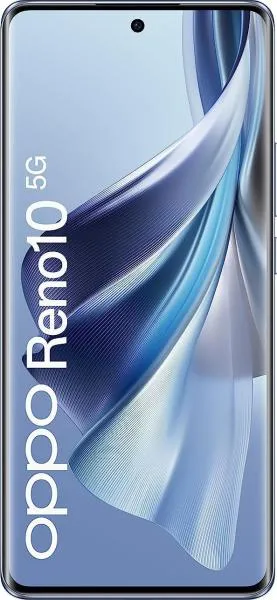
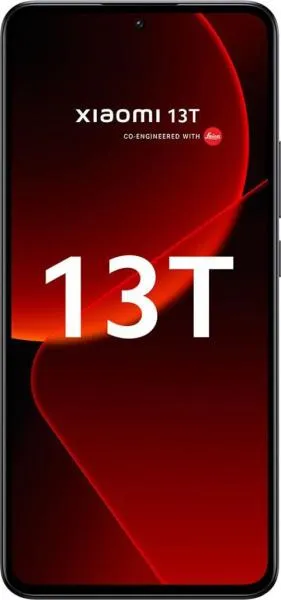
| Feature | Oppo Reno10 | Xiaomi 13T | Practical Impact |
|---|---|---|---|
| Design | |||
| Dimensions | 162.4 x 74.2 x 8 mm | 162.2 x 75.7 x 8.5 mm | Xiaomi 13T is slightly wider and thicker. Negligible difference in daily use. |
| Weight | 185g | 213g | Reno10 is noticeably lighter, reducing hand fatigue during extended use. |
| Display | |||
| Size | 6.7" | 6.67" | Negligible size difference. |
| Type | AMOLED, 1B colors, 120Hz | AMOLED, 68B colors, 144Hz | Both offer smooth scrolling and vibrant colors. 13T's higher refresh rate and wider color gamut provide a slightly smoother and more color-accurate visual experience, noticeable in fast-paced games and HDR content. |
| Resolution | 1080 x 2412 | 1220 x 2712 | 13T has a sharper display with higher pixel density (446 ppi vs 394 ppi), resulting in crisper text and images. |
| Peak Brightness | 950 nits | 2600 nits | 13T offers significantly higher peak brightness, ensuring excellent outdoor visibility even in direct sunlight. |
| Performance | |||
| Chipset | Mediatek Dimensity 7050 (6 nm) | Mediatek Dimensity 8200 Ultra (4 nm) | 13T's 8200 Ultra is more powerful and efficient due to the smaller manufacturing process, translating to smoother multitasking, better gaming performance, and improved battery life. |
| CPU | Octa-core (2x2.6 GHz Cortex-A78 & 6x2.0 GHz Cortex-A55) | Octa-core (1x3.1 GHz Cortex-A78 & 3x3.0 GHz Cortex-A78 & 4x2.0 GHz Cortex-A55) | 13T has a faster and more powerful CPU architecture, resulting in noticeable performance improvements in demanding applications. |
| GPU | Mali-G68 MC4 | Mali-G610 MC6 | 13T's GPU offers better graphics performance, beneficial for gaming and graphically intensive tasks. |
| RAM | 8GB | 12GB | More RAM in the 13T allows for smoother multitasking and less frequent app reloading. |
| Battery | |||
| Capacity | 5000 mAh | 5000 mAh | Similar battery capacity. Real-world battery life will depend on usage and the 13T's more efficient chipset might give it an edge. |
| Software | |||
| OS | Android 13 | Android 13 | Both run on the latest Android version. |
| Max OS Version | 14 | 17 | 13T is promised longer software support, receiving updates for a longer period. |
2. Key Differences Analysis
Xiaomi 13T Advantages:
- Significantly Superior Performance: The Dimensity 8200 Ultra, coupled with 12GB RAM, offers a substantial performance advantage over the Reno10, particularly for demanding tasks like gaming and video editing.
- Brighter and Sharper Display: The 13T's display boasts a higher resolution, refresh rate, wider color gamut, and dramatically higher peak brightness.
- Longer Software Support: Expected updates to Android 17 provide a longer lifespan and better long-term value.
Oppo Reno10 Advantages:
- Lighter Weight: Noticeably lighter, making it more comfortable for extended one-handed use.
3. User Profiles & Recommendations
Oppo Reno10: Suitable for users prioritizing a lightweight phone for everyday tasks like browsing, social media, and casual photography. Budget-conscious users who don't require top-tier performance will also find it appealing.
Xiaomi 13T: Ideal for users who demand high performance for gaming, content creation, and multitasking. Its superior display also makes it a great choice for media consumption.
4. Decision Framework
Key Questions for Buyers:
- What is your budget? Both phones fall in the mid-range, but price differences might exist.
- What are your primary use cases? (e.g., gaming, photography, social media)
- How important is long-term software support?
My Choice: Xiaomi 13T
While the Oppo Reno10 offers a lighter design, the Xiaomi 13T's significant advantages in performance, display quality, and software support make it the clear winner for me. The superior processor, higher refresh rate display, sharper resolution, and brighter screen contribute to a vastly improved user experience in almost every scenario. The longer software update commitment ensures the device remains relevant and secure for a longer period. The slightly heavier weight is a minor trade-off for the substantial gains in overall performance and longevity. As someone who values a smooth and responsive user experience, the 13T's performance capabilities are compelling. While the Reno10 offers a more comfortable in-hand feel due to its lighter weight, the performance difference would be noticeable in daily use.
